

Cancer Epidemiology and Prevention (EPICAN)
Transforming cancer data into evidence-based action
EPICAN is a translational cancer population sciences group at the Luxembourg Institute of Health combining epidemiology, real-world evidence, clinical quality evaluation, and cancer data science to improve prevention, patient care, healthcare systems, and evidence-based cancer policies.
The group develops innovative approaches in cancer surveillance, interoperability, data linkage, implementation science, and precision population oncology through multidisciplinary collaborations with clinicians, patients, researchers, and policymakers.
The group contributes to the scientific and operational management of Luxembourg’s National Cancer Registry as part of its broader mission to strengthen cancer surveillance, translational research, and data-driven healthcare innovation.
Research areas
- Cancer Epidemiology & Prevention: Risk factors, inequalities, prevention, early detection.
- Clinical Quality of Care & Outcomes Research: Real-world evaluation of care pathways, treatment patterns, outcomes, and healthcare performance.
- Cancer Data Science & Interoperability: Data linkage, OMOP/EHDS, interoperability, AI-assisted methodologies, real-world evidence.
- Translational & Implementation Sciences: Transforming evidence into clinical practice, healthcare improvement, and policy impact.
- Precision Population Oncology & Patient-Centred Research: Patient pathways, survivorship, biomarkers, quality of life, patient partnership.
Infrastructure & data

EPICAN contributes to the scientific and operational management of Luxembourg’s National Cancer Registry and develops interoperable population-based data infrastructures supporting high-quality cancer surveillance, translational research, and healthcare evaluation.
Impact
EPICAN supports clinicians, healthcare institutions, patients, and policymakers through:
- population-based evidence generation,
- healthcare quality assessment,
- methodological innovation,
- epidemiological reporting,
- and implementation of data-driven cancer control strategies.
Highlighted projects
- Breast cancer quality-of-care evaluation
- Return-to-work linkage study
- EHDS interoperability initiatives
- RELIANCE Breast Cancer
- Cancer indicators and surveillance reports
- CancerWatch
Collaboration & events
Examples:
- Lecture Series
- Workshops
Team
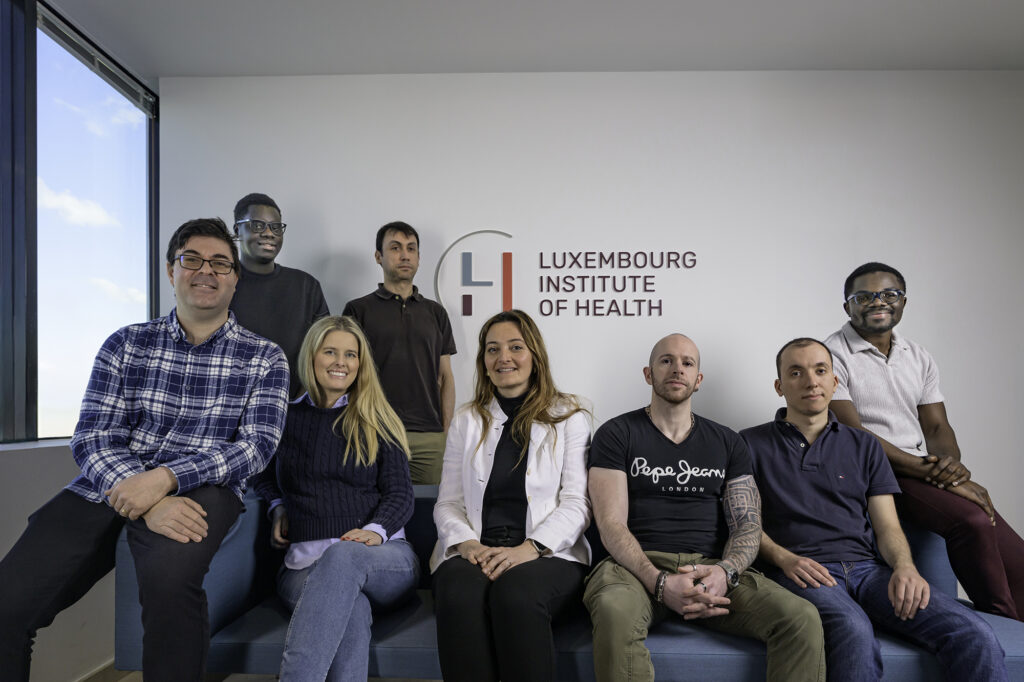
- Team leader: Claudine Backes
- Epidemiologist: Allini Mafra Da Costa, Nina Tchuem
- Research assistant: Zidane Ngandajon
- Data manager & analysts: Julien Jacobs; Thérèse Baurith; Juline Pelé, Ibrahima Niang, Bruno Lima
- Scientist: Jason Settels
- European project and public affair officers: Max Xhauflair
Team leader

Backes
Projects & clinical trials
Scientific publications
-
Use of population-based cancer registry data to evaluate organized breast cancer screening programmes in Europe by mode of detection – 10/06/2026
-
Avoidable deaths through the primary prevention, early detection, and curative treatment of cancer worldwide – 01/03/2026
-
Returning to work after breast cancer diagnosis – 22/01/2026
-
Optimizing data linkage for maximizing the potential of Luxembourg’s national cancer registry – 18/11/2025
-
Le cancer au Luxembourg: incidence et mortalité 2014−2021 – Rapport du Registre National du Cancer du Luxembourg – 01/11/2025
-
Prise en charge des cancers du sein au Luxembourg en 2013 – 2018 : Résultats issus du Registre National du Cancer (RNC) – 01/10/2025
-
Clinical outcomes by breast cancers diagnostic modes – 21/04/2025
-
Impact of Retirement on Quality of Life – 01/01/2025
-
Protocol for an umbrella review of systematic reviews evaluating the efficacy of digital health solutions in supporting adult cancer survivorship care – 27/05/2025
-
The global multiple myeloma incidence and mortality burden in 2022 and predictions for 2045 – 01/05/2025
Related News




























Forthcoming events
-

🇬🇧 Assessing the short-term effects of air pollution on health: a causal inference perspective
Lecture Series – Causal Inference Methods For Real-World Data
Speaker: Prof. Michela Baccini
09/07/2026 11:00
-

From data to decisions: driving personalized medicine
Speaker: Prof Melanie Börries, Dr Patrick Metzger
15/07/2026 14:00
-
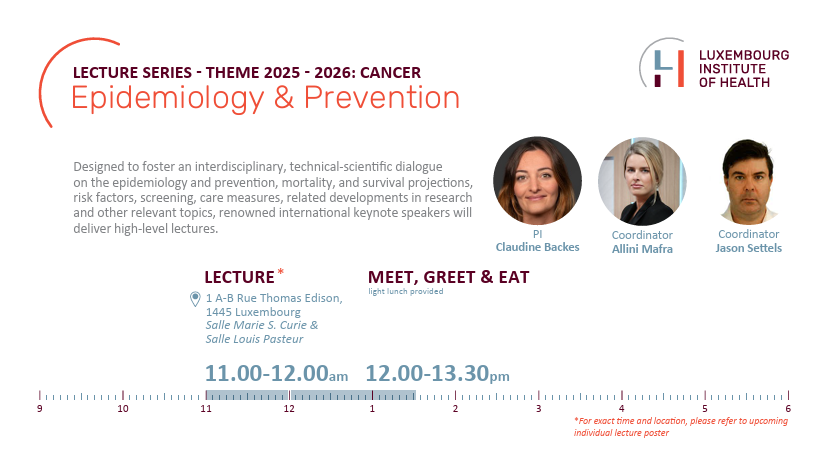
Lecture series – Epidemiology & Prevention 2025-2026
Epidemiology & Prevention
10/09/2026 10:00
-

🇬🇧 The impact of alcohol on the global burden of cancer: evidence and estimates from epidemiological studies
Epidemiology & Prevention
Speaker: Dr. Harriet Rumgay
10/09/2026 11:00
-
Clinical Research Luxembourg Conference
Speaker: various
29/09/2026 08:00
-
🇫🇷 La Journée de la Recherche Médicale & Translationnelle
21/10/2026 08:00
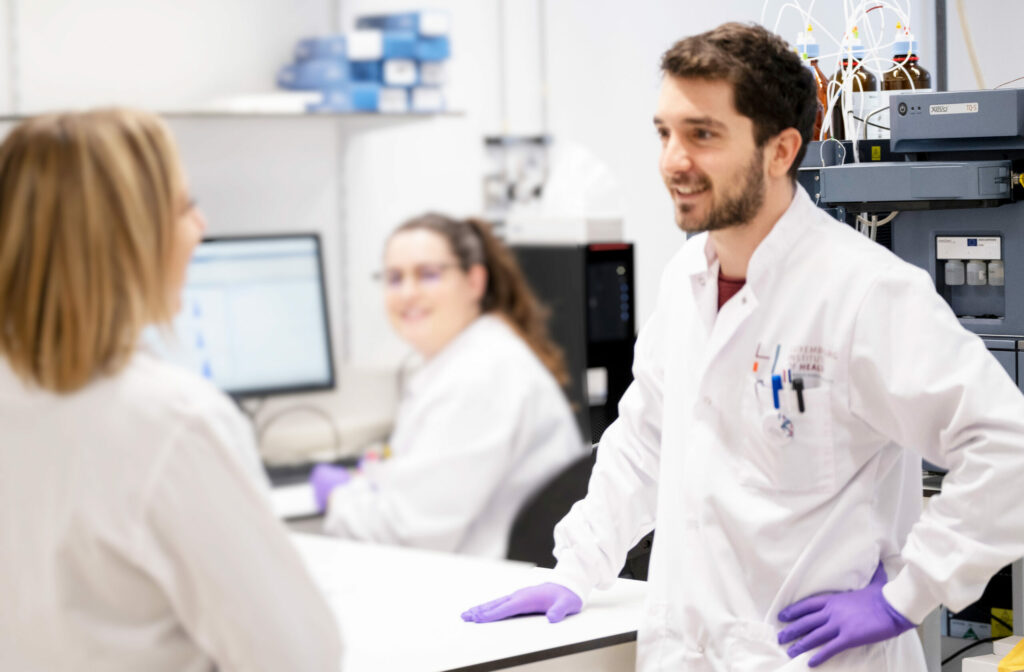
Job vacancies
-
Master’s Student in Leukemia Research (AL)
Department of Cancer Research – Tumor Stroma Interactions
-
Master’s Student in Immuno-Oncology (CTDPF)
Department of Cancer Research – Cytoskeleton & Cancer Progression
-
Master’s Student: Applied Statistics in Social Robotics (Mandatory internship only) (ERJ)
DMI
-
Clinical Project Management Team Lead (JA/CPMTL0426/MG/CPMO)
Translational Medicine Operations Hub – Clinical Project Management Office
-
Clinical Research Regulatory Officer (JA/CRRO0126/LG/CIEC)
Translational Medicine Operations Hub – Clinical & Epidemiological Investigation Center
-
Data Scientist in AI – Department of Infection & Immunity (JA/DS0326/PN/DMIDII)
DMI
-
Data Scientist in AI – Department of Cancer Research (JA/DS0526/VD/DMIDOCR)
DMI
-
Head of Quality Management (JA/HOQM0726/FG/GM)
General Management – Quality & Safety Management Office
-
Movement Biomechanics and Data Expert (JA/MBDE0526/BG/HOSD)
Department of Precision Health – Human Motion, Orthopaedics, Sports Medicine & Digital Methods
-
Post-Doctoral Fellow in AI-based Multimodal Integration (JA/PD0426/VD/BIOINFO)
DMI
-
Post-Doctoral Fellow in Single-Cell Proteomics of Neuronal Development (JA/PD0626/GD/CELLPRO)
Department of Infection & Immunity – Research – Proteomics of Cellular Signaling
-
Post-Doctoral Fellow: Gut Microbiome and Bioinformatics (JA/PDGMB0326/MD/DIIA)
Department of Infection & Immunity – Nutrition, Microbiome & Immunity unit
-
Post-Doctoral Fellow: Gut Microbiome and Mucosal Immunology (JA/PDGMMI0326/MD/DII)
Department of Infection & Immunity – Nutrition, Microbiome & Immunity unit
-
PhD Student in Pharmacology – Microbiome (JA/PHD0526/AC/INF2)
Department of Infection & Immunity – Immuno-Pharmacology & Interactomics
-
German-speaking Communication Officer (JA/SCO0626/SS/MARCOM)
General Management – Marketing & Communication
-
Director of Department of Immune Mediated Diseases (MC/DDIMD0226/MO/DII)
Department of Infection & Immunity
-
European Project Manager / Proposal Writer (MC/EPM0626/SO)
General Management – Science operations
-
PhD student – UNLIMITED Marie Skłodowska-Curie Doctoral Network (MC/PhDUN/DB/0626)
Department of Infection & Immunity – Experimental & Molecular Immunology unit
-
Master’s Student in Nutrition Sciences and Agri-Food Systems (TB)
Department of Precision Health – Nutrition & Health Research Group