News
LIH NORLUX lab contributes to Nature study on the evolution of brain tumours
Findings reveal how brain tumours become more aggressive over time, opening new possibilities for personalised treatment
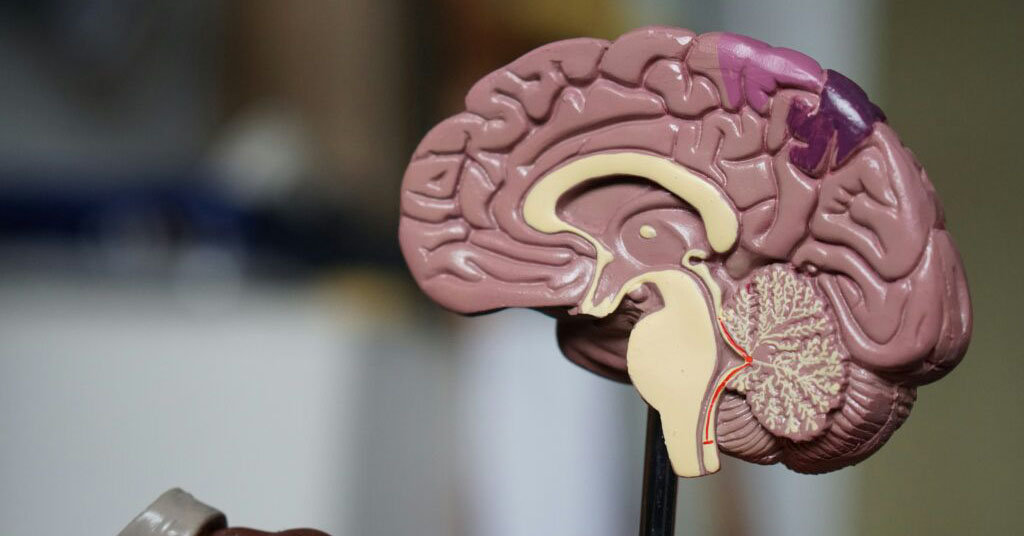
Researchers from the Luxembourg Institute of Health (LIH) have contributed to a major international study published in Nature, one of the world’s most prestigious scientific journals, that sheds new light on how adult brain tumours evolve and return after treatment. By analysing samples collected from patients over several years, the researchers uncovered biological mechanisms that enable these cancers to become more aggressive and resistant to therapy.
IDH-mutant gliomas are brain tumours that often affect younger and middle-aged adults. While current treatments can slow disease progression, the tumours almost always recur. Until recently, scientists had only a limited understanding of the underlying biological changes that happen as the disease progresses.
In the new Nature study, an international consortium analysed tumour samples collected from 35 patients at different stages of their disease using advanced genomic and single-cell technologies. The researchers discovered that recurrent tumours often contain more immature, rapidly dividing cancer cells and identified distinct pathways that drive tumour progression, including both genetic changes within cancer cells and interactions with the surrounding tumour environment. These findings provide one of the clearest pictures to date illustrating how IDH-mutant gliomas evolve over time and why they are difficult to treat.
The NORLUX Neuro-Oncology Laboratory at the LIH played a key role in the project. The team contributed unique longitudinal tumour samples from patients with IDH-mutant gliomas through the PRECISION-PDX cohort, allowing researchers to track tumour evolution over time. NORLUX also performed functional investigation in matched patient-derived preclinical models that were used to validate predictions generated from single-cell analyses.
“This study demonstrates that glioma recurrence can arise via multiple biological routes. By combining rare patient samples, advanced single-cell technologies, and clinically relevant models, we were able to better understand how these tumours adapt and evolve. This knowledge will be essential for developing more precise and effective therapies,” said Dr Anna Golebiewska, Head of the NORLUX Lab at the LIH and co-author of the paper.
The publication highlights the value of international collaboration and provides an important resource for researchers working to improve outcomes for patients with brain cancer. It also shows that while chemotherapy and radiotherapy remain essential treatments that prolong survival, the timing of different therapies is important. The study supports further research into whether specific IDH inhibitors should be used before chemotherapy and radiotherapy, saving them for later stages of the disease.
Funding & Collaborations:
Support received from the Luxembourg National Research Fund (FNR: C20/BM/14646004/GLASSLUX, INTER/ TRANSCAN22/17612718/PLASTIG).
Scientific Contact
Related News