News
Parkinson’s World Café: Celebrating a Decade of Progress in Luxembourg
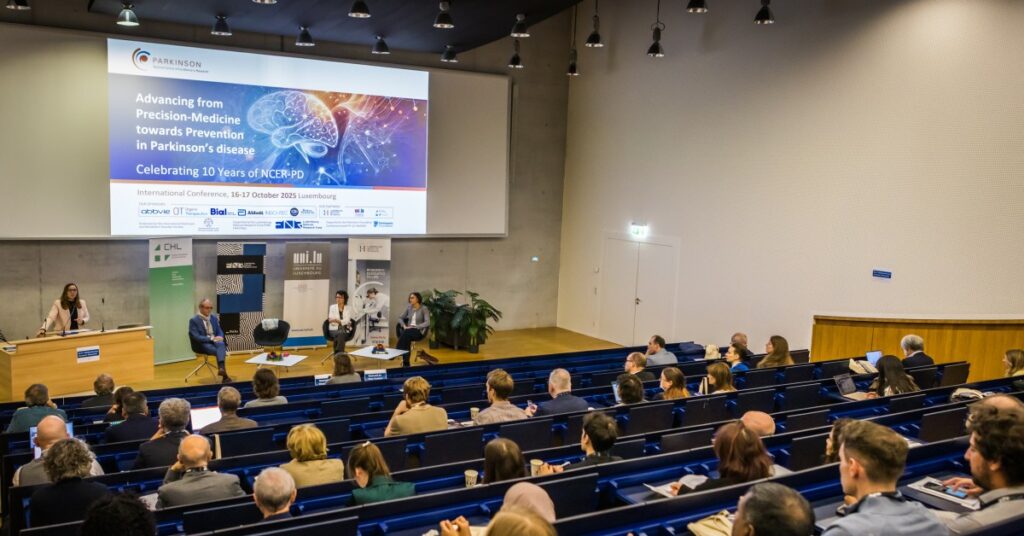
Luxembourg’s Parkinson’s community marks a decade of success and looks ahead to the future of research and care
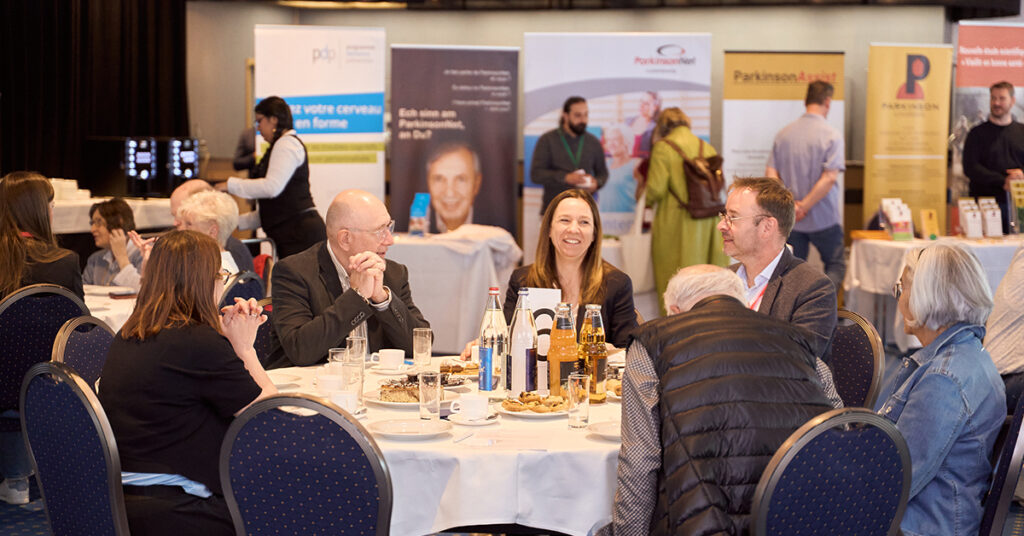
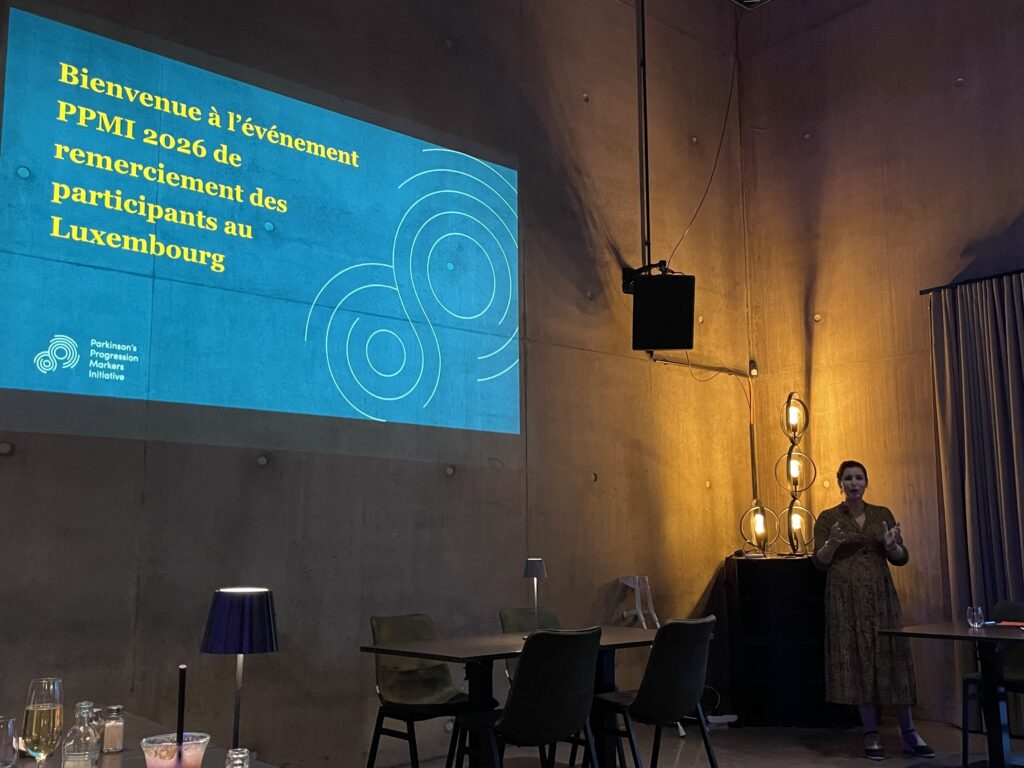
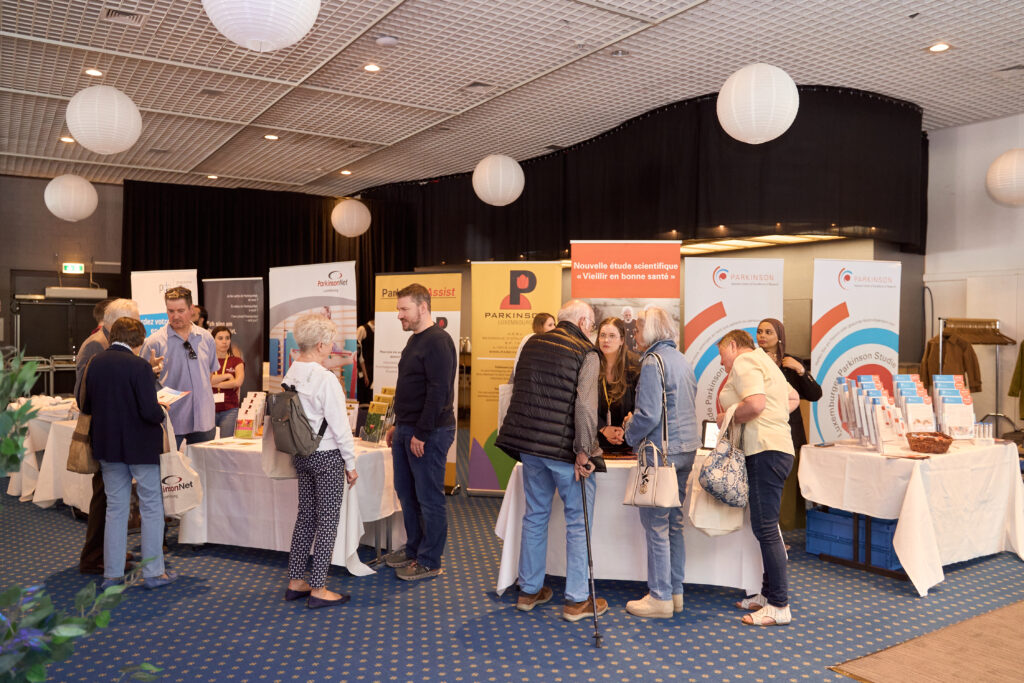
On the afternoon of 30 April, more than 150 research participants and their friends and families gathered together with researchers and health professionals at the Parc Hotel Alvisse in Dommeldange to celebrate 10 successful years of research and care on Parkinson’s disease in Luxembourg.
The event was opened by Prof Dr Rejko Krüger, coordinator of the National Centre for Excellence in Research on Parkinson’s Disease (NCER-PD), along with Stéphanie Obertin, Minister of Digitalisation and Minister of Research and Higher Education. Their opening remarks emphasised the importance of close collaboration between scientists and clinicians to achieve the best possible outcomes for people living with Parkinson’s disease.
The programme then continued as an informal “World Café”, featuring a series of round-table discussions. During these sessions, experts in research, clinical care and prevention presented their areas of expertise and engaged in open exchanges with participants. This interactive format fostered meaningful dialogue and encouraged the sharing of experiences and perspectives.
The event concluded with a final round-table discussion, which focused on future outlooks such as digitalisation and the importance of continued and tailored participation in research studies for people living with Parkinson’s disease, as well as for healthy control participants.
Over the past ten years, we have built a strong, collaborative ecosystem that brings together participants, clinicians and researchers throughout Luxembourg. These strong partnerships are essential going forward, as we push to provide access to innovative disease modifying therapies via clinical trials for precision medicine and prevention,
concluded Prof Dr Rejko Krüger, NCER-PD coordinator.
By advancing digital approaches and encouraging continued patient participation in research, Luxembourg is well positioned to further strengthen its contribution to understanding Parkinson’s disease and to improving outcomes for current and future generations.
The members of the closing discussion panel were:
- Thomas Dominique, Government Commissioner for Hospitals
- Dr Joëlle Fritz, Coordinator of the Neurological Disease Pillar at the Luxembourg Research Clinic
- Dr Patricia Conde, researcher in Digital Medicine at the University of Luxembourg
- Sylvia Herbrink, Care Coordinator at ParkinsonNet Luxembourg
- Lex Kloos, research participant and patient ambassador of ParkinsonNet Luxembourg
- Dr Alexandre Bisdorff, neurologist and member of the ParkinsonNet steering committee.
Scientific Contact
Related News