News
Comprehensive review on the immunological mechanisms leading to alpha-Gal syndrome (AGS)
A new review has been published in Frontiers in Immunology, as part of the Research Topic “Advances in Molecular Diagnosis of Allergy: Novel Allergens, Biomarkers, and Technical Developments”, provides an in‑depth overview of the immunological mechanisms underlying the α‑Gal syndrome. Led by Dr Christiane Hilger, Co-Head of the Molecular & Translational Allergology group in the Department of Infection and Immunity (DII), the team presents a comprehensive synthesis of current research on the mechanisms driving IgE sensitization to the carbohydrate galactose‑α‑1,3‑galactose (α‑Gal).
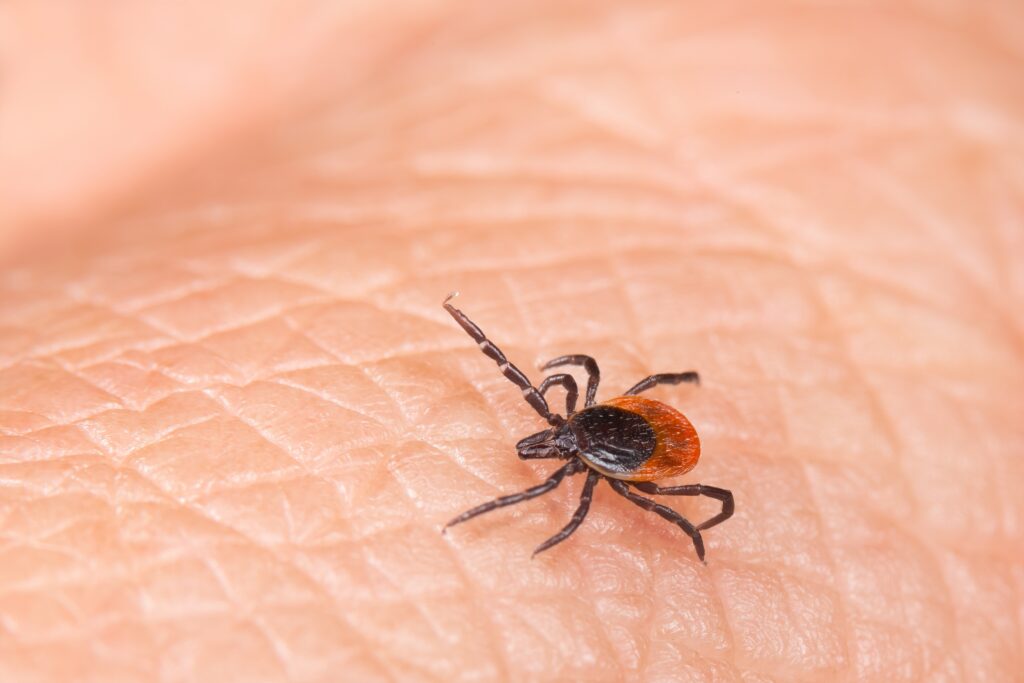
The α-Gal syndrome is an emerging form of food allergy characterized by delayed hypersensitivity reactions to mammalian meat products and mediated by IgE antibodies specific to the carbohydrate galactose-α-1,3-galactose. Although α-Gal–specific IgG, IgM and IgA antibodies are generally present in humans as a consequence of continuous exposure to commensal microbiota and dietary sources, IgE sensitization to α-Gal occurs only in a subset of individuals. Epidemiological and experimental evidence has firmly linked this sensitization to tick bites.
This review aims to address specifically the gaps in our understanding of the immunological mechanisms underlying the development of the AGS syndrome, with a particular focus on the innate and adaptive immune responses that drive the production of α-Gal-specific IgE. By integrating data from human studies, animal models and in vitro systems, a more cohesive picture of the immune dynamics contributing to Th2-biased immune responses and sensitization begins to emerge.
By highlighting persisting knowledge gaps, the review underscores the need to better comprehend these synergistic mechanisms of the cutaneous environment, tick salivary components, and host factors as a prerequisite for the identification of diagnostic biomarkers and the development of preventive strategies for the α‑Gal syndrome. This comprehensive synthesis offers a valuable resource for researchers and clinicians working at the interface of allergy, immunology and vector‑borne disease, and underscores the need for further translational research in this field.
Dr Christiane Hilger is the Principal Investigator of the ImmunoGal study, which focuses on immune reactions to tick bites and the mechanisms leading to inflammation and allergic sensitization, with a particular emphasis on α‑Gal syndrome. This research project is funded by the FNR CORE program.
Scientific Contact
Related News