News
TreatPD: towards an RNA-based approach for Parkinson’s disease
TreatPD project kicks off
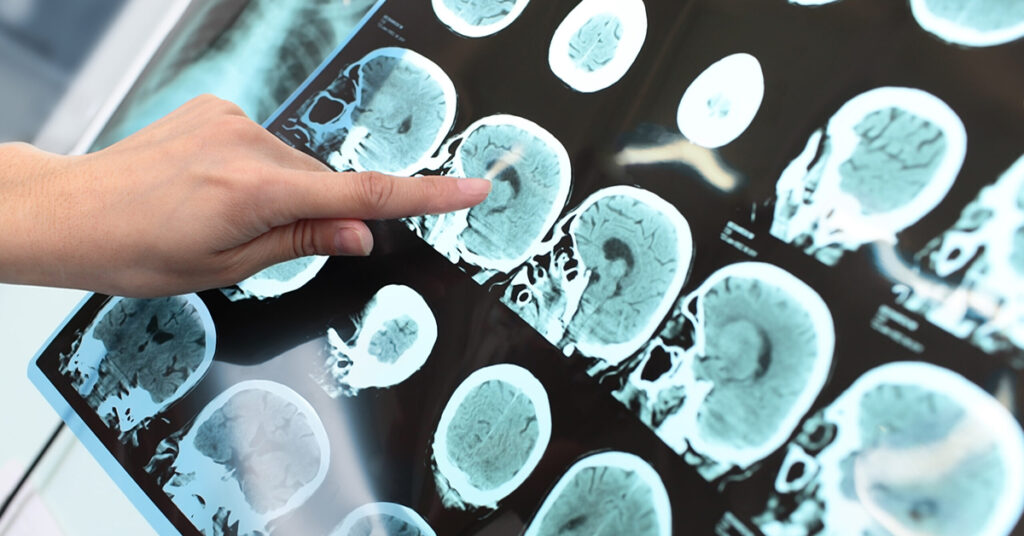
Led in Luxembourg by the Cardiovascular Research Unit (CVRU) at the LIH Department of Precision Health (DoPH), the TreatPD project aims to develop a novel strategy to deliver an RNA molecule lncG1 to the brain, where it can stimulate dopamine production by neurons, hence representing a promising new tool to treat Parkinson’s disease. Having kicked off in March 2026, TreatPD is a bilateral France-Luxembourg endeavour carried out in collaboration with the Institut des Maladies Neurodégénératives de Bordeaux (French coordinator), the Centre de Recherche en Cancerologie of Marseille and the InTheRNA/ART-ARNm INSERM Unit in Orléans. By combining advances in RNA biology, nanotechnology and neuroscience, the multidisciplinary consortium aims to open new perspectives for patients living with Parkinson’s disease and their families.
Parkinson’s disease (PD) is characterised by the loss of dopamine-producing neurons in the brain, leading to symptoms such as tremors, muscle rigidity and impaired movement. Although current treatments can temporarily restore dopamine levels and alleviate symptoms, they do not halt disease progression, highlighting the urgent need for innovative disease-modifying therapies.
To address this unmet need, TreatPD seeks to harness the therapeutic potential of lncG1, a long non-coding RNA molecule typically dysregulated in Parkinson’s disease patients and which, when overexpressed in cultured neurons, has been shown to stimulate dopamine production. Specifically, the research team will develop an innovative nanoparticle delivery system capable of crossing the blood-brain barrier and specifically targeting dopaminergic neurons.
Within the framework of the project, synthetic lncG1 molecules will be produced and incorporated into nanoparticles designed to protect the RNA and facilitate its transport across the blood-brain barrier. The resulting therapeutic carrier, NP-lncG1, will be evaluated in mouse models of Parkinson’s disease to assess its ability to reach the brain, target dopaminergic neurons and preserve neuronal function.
In parallel, researchers will conduct in silico and in vitro studies to better understand the molecular mechanisms underlying lncG1 activity, validate its capacity to stimulate dopamine synthesis and identify any potential side effects. Moreover, the effects of NP-lncG1 will also be assessed in human brain organoids, enabling researchers to evaluate dopaminergic neuron survival, dopamine production and other cellular pathways potentially influenced by the therapy. Together, these approaches aim to provide a comprehensive validation of NP-lncG1 as a promising neuroprotective treatment candidate.
To maximise the relevance and future adoption of the project outcomes, key stakeholders including neurologists and patient representatives will support the dissemination of results and help ensure that the solutions developed through TreatPD meet the needs and expectations of the Parkinson’s disease community.
Ultimately, TreatPD is expected to generate significant societal, economic and scientific impacts, bringing hope to Parkinson’s disease patients, their families and caregivers, and contributing to improved quality of life and life expectancy
says Dr Yvan Devaux, leader of the CVRU and principal investigator of the study in Luxembourg.
Scientific Contact
Related News