Background. Motor neuron diseases and neurodegenerative conditions such as Parkinson’s disease and Alzheimer’s disease are associated with progressive neuronal dysfunction and death, yet the molecular mechanisms underlying neurodegeneration remain poorly understood at the protein level. Patient-derived induced pluripotent stem cells (iPSCs) provide a unique window into disease-relevant biology, enabling the differentiation of human motor neurons that carry the genetic background of affected individuals. Single-cell proteomics is an emerging technology that enables quantitative protein profiling at the resolution of individual cells, capturing the cell-to-cell heterogeneity that bulk approaches inherently obscure. In this project, you will combine iPSC-derived motor neuron differentiation with state-of-the-art single-cell proteomics to dissect the protein-level landscape of neuronal development and identify disease-relevant molecular signatures at single-cell resolution.
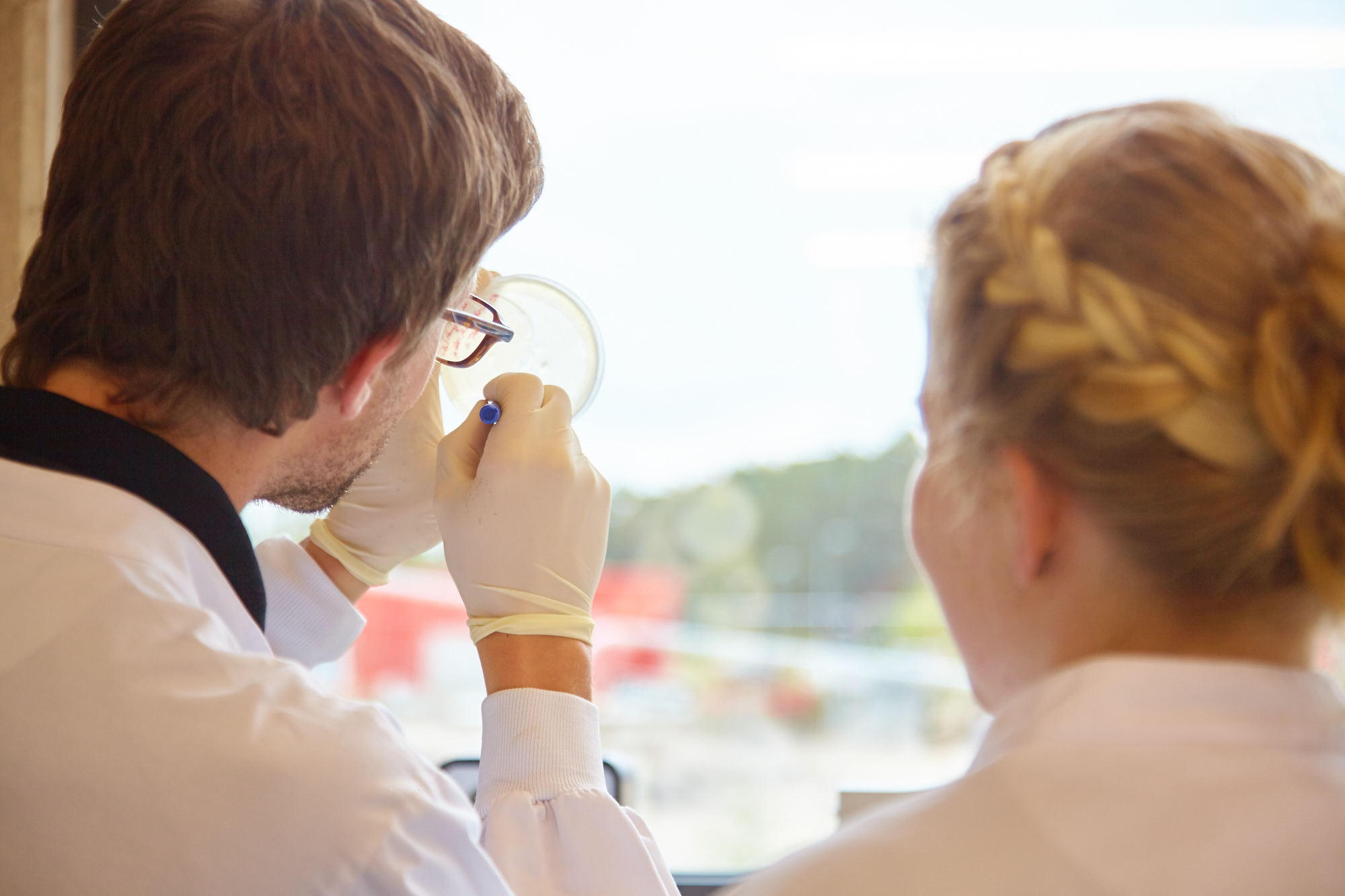
Objectives. As a post-doctoral researcher, you will establish and optimise protocols for differentiating motor neurons from patient-derived iPSC lines, develop and apply single-cell proteomics workflows to neuronal samples, and perform bioinformatic analysis of the resulting datasets. You will work to integrate proteomic data with orthogonal single-cell modalities including transcriptomics and imaging, and collaborate closely with clinical and neuroscience partners to address biologically and medically relevant questions in the context of Parkinson’s and Alzheimer’s disease.
Training and Research Environment. The Proteomics of Cellular Signalling Group offers a dynamic, collaborative and genuinely international environment, with team members originating from France, Portugal, Estonia, Germany, Honduras and the United Kingdom. Embedded in the Department of Infection and Immunity, the group uses advanced mass spectrometry–based proteomics to address a broad spectrum of biological and clinical challenges, from basic signalling mechanisms to translational projects. This position sits at the intersection of stem cell biology, neuroscience, and cutting-edge single-cell proteomics, offering exceptional training in both experimental and computational aspects of modern proteomics research. You will gain hands-on experience with state-of-the-art mass spectrometry instrumentation and single-cell workflows, building a profile well suited to both academic and industry careers in the life sciences.
Recent related references: Novak G, et al. Single-cell transcriptomics of human iPSC differentiation dynamics reveal a core molecular network of Parkinson’s disease. Commun Biol. 2022;5(1):49. Boeddrich A, et al. A proteomics analysis of 5xFAD mouse brain regions reveals Arl8b as a candidate biomarker for Alzheimer’s disease. Genome Med. 2023;15(1):50. Martin E, Girardello R, Dittmar G, Ludwig A. Time-resolved proximity proteomics uncovers a membrane tension-sensitive caveolin-1 interactome. eLife. 2024;13. Alfaro JA, et al. The emerging landscape of single-molecule protein sequencing technologies. Nat Methods. 2021;18(6):604–617.
Key Skills, Experience and Qualifications
Researchers are supported by easy access to scientific expertise, well-equipped facilities, an active seminar program, and opportunities for conference attendance and collaboration with other research organisations.
Scientific contact
Prof Dr Gunnar Dittmar
gunnar.dittmar@lih.lu
More information about the groups can be found here: https://signaling.lih.lu/
Applications including a letter detailing your motivation and a curriculum vitae should be sent through our website via the apply button below.
Please apply ONLINE formally through this web page.
Applications by email will not be considered.
All interested candidates irrespective of age, gender, race, disability, religion or ethnic background are encouraged to apply.