News
TSI Group Publishes a Key Mechanism of Therapy Resistance in Acute Myeloid Leukemia
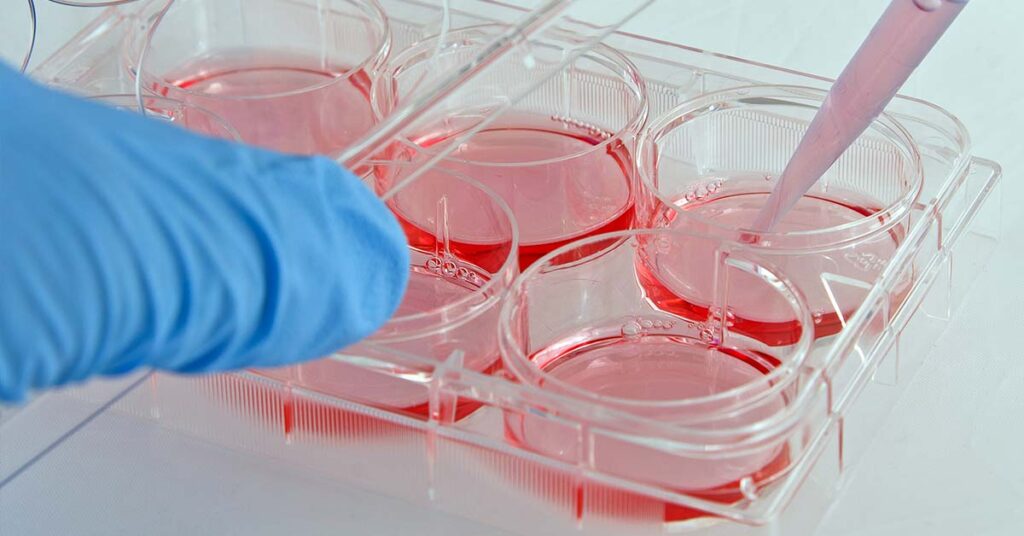
A new study published in Cell Reports, titled “Retinal determination network reactivation drives chemoresistance and blocks myeloid differentiation in acute myeloid leukemia”, provides important insights into the molecular mechanisms that sustain acute myeloid leukemia (AML) and drive resistance to therapy. AML is a highly heterogeneous and aggressive blood cancer, and despite advances in treatment, many patients experience refractory disease, making new therapeutic strategies urgently needed.
The article is authored by an international team of researchers, including Dr Anne Largeot, scientist at the Tumor Stroma Interactions (TSI) Group at the LIH, who shares co-last authorship with Prof Georges Lacaud and Prof Valérie Kouskoff, reflecting her central role in guiding the project from its initiation to its completion over the course of 13 years. The team also includes LIH group leaders Drs Jérôme Paggetti, Etienne Moussay, Andy Chevigné, and Martyna Szpakowska, whose contributions were essential to the project’s success.
The study reveals that reactivation of retinal determination gene network (RDGN) genes SIX1 and EYA1 drives AML progression by reinforcing differentiation blocks and sustaining leukemic cell identity. Importantly, it shows that targeting this pathway (genetically or pharmacologically) impairs leukemia maintenance and sensitizes cells to therapy, positioning RDGN as a promising target for future AML treatments.
This publication represents the culmination of over a decade of research and collaboration. It underscores the persistence, multidisciplinary expertise, and long-term commitment required to tackle the complex biology of AML and to identify potential therapeutic vulnerabilities that could improve patient outcomes.
Scientific Contact
Related News