News
Priming and rewiring the immune landscape of brain cancer
LIH scientists propose a new framework to overcome immune resistance in glioblastoma
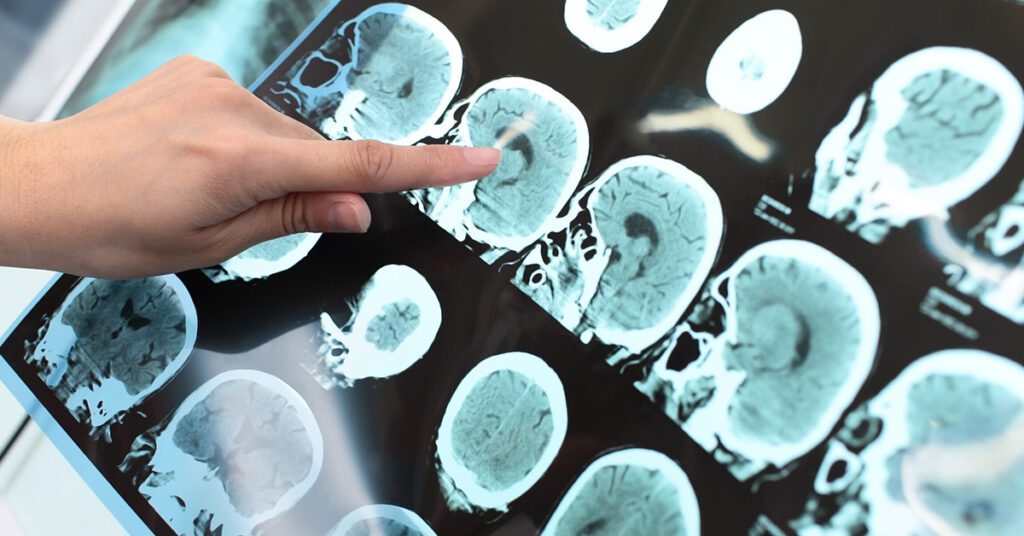
Researchers from the NORLUX Neuro-Oncology Laboratory of the LIH Department of Cancer Research (DoCR) recently published a major review article in the prestigious international journal Nature Cancer. The paper sheds light on why immunotherapies have so far proved mostly ineffective against glioblastoma, one of the deadliest brain cancers. By dissecting how immune cells are spatially organised and progressively reprogrammed by both the tumour and its treatments, the researchers propose a new conceptual framework based on tumour microenvironment priming and rewiring, a strategy that could guide more effective and durable therapies.
Glioblastoma is the most common malignant brain tumour in adults and remains one of the deadliest. Even with maximal surgery followed by radiotherapy and chemotherapy, most patients survive only 15 to 18 months after diagnosis. Over the past decades, numerous targeted therapies and immunotherapies have been tested, yet none have meaningfully changed this outcome. In their comprehensive review, researchers from the NORLUX Neuro-Oncology Laboratory at LIH examine a key reason behind these failures: glioblastoma’s extraordinary ability to manipulate the immune system within the brain.
“Glioblastoma is not just aggressive, it is adaptive,” explains Dr Anna Golebiewska, Group Leader at NORLUX and corresponding author of the study. “The tumour continuously reshapes its environment and the immune cells around it, a feature known as plasticity, making it extremely difficult for therapies to generate lasting responses”.
Unlike cancers that respond well to immunotherapy, glioblastoma is considered immunologically “cold”, meaning it contains very few tumour-attacking T cells and being instead dominated by immune cells that suppress inflammation and support tumour growth. The study highlights how this immune suppression operates at multiple levels. Glioblastoma cells have few recognizable targets for immune cells, limiting immune activation from the start. At the same time, the tumour coerces the brain’s natural protective mechanisms into restricting immune cell entry. Moreover, within the tumour, immune cells are unevenly distributed across distinct spatial niches shaped by oxygen availability, blood vessels, and tissue damage, factors that strongly influence immune behaviour and often favour immune suppression.
The immune landscape of glioblastoma is highly compartmentalised. The location of immune cells largely determines whether they can fight the tumour or help it survive instead
says Dr Golebiewska.
Among the most abundant immune cells in glioblastoma are tumour-associated macrophages, which can comprise nearly a third of the tumour mass. Rather than attacking cancer cells, most macrophages are reprogrammed to suppress immune responses and block the activity of T-cells, the main effectors of cancer immunotherapy, thus promoting tumour growth. Importantly, the paper highlights that macrophages are highly plastic, capable of shifting between functional states depending on local signals such as hypoxia, inflammation, or treatment-induced damage. This adaptability helps explain why therapies that target a single macrophage subtype often fail.
T-cells themselves also face multiple barriers in glioblastoma. Many never reach the tumour due to systemic immunosuppression while those that do, encounter a hostile environment preventing effective activation. Defective antigen presentation, lack of co-stimulatory signals, chronic exposure to suppressive cytokines, metabolic stress from hypoxia, and direct elimination collectively contribute to their dysfunction. This explains why immunotherapies such as immune checkpoint inhibitors, which work well in other cancers, have shown limited benefit in glioblastoma.
The paper also examines how standard treatments such as radiotherapy and chemotherapy reshape the immune environment. While these therapies can transiently increase inflammation or immune cell infiltration, they often leave behind a rewired tumour microenvironment characterised by fibrosis, altered metabolism, and immunosuppression. As a result, at recurrence, immune cells are frequently more dysfunctional than before, further reducing the effectiveness of subsequent immunotherapies.
To address this challenge, the NORLUX researchers propose a temporal framework distinguishing two therapeutic windows: tumour microenvironment priming, which occurs before treatment and may offer a brief opportunity to promote effective immune responses, and tumour microenvironment rewiring, which reflects the immune remodelling that follows treatment and requires strategies specifically designed to counteract therapy-induced immunosuppression.
“The same therapy can have very different effects depending on when it is applied and in which immune context”, say Dr. Pilar M. Moreno-Sanchez and Dr. Mahsa Rezaeipour, first co-authors of the review and postdoctoral researchers in the NORLUX group. “The future of glioblastoma immunotherapy lies in smarter treatment coordination, aligning the right therapy with the right immune state at the right moment. Our work offers a novel perspective on glioblastoma, one that takes into account its remarkable plasticity and the role of its immune microenvironment, thereby guiding the design of next-generation therapies that may finally overcome one of the most challenging cancers”, they conclude.
The paper, published in January 2026 with the full title “Immunosuppressive mechanisms and therapeutic interventions shaping glioblastoma immunity”, can be accessed here.
Scientific Contact
Related News