News
Unlocking the cellular blueprint of organ development
How cells deliver preassembled “building blocks” to construct the internal pathways of our organs
An international study co-authored by LIH researchers in Nature Communications reveals how cells transport preassembled molecular building blocks to construct healthy organ channels.
A study co-authored by Luxembourg Institute of Health (LIH) Prof Gunnar Dittmar has uncovered a fundamental mechanism explaining how cells create the internal cavities required for healthy tissue and organ architecture. Published in Nature Communications (DOI: 10.1038/s41467-026-75503-w), the international study led by Nanyang Technological University in Singapore demonstrates how cells transport preassembled structural components to build essential biological channels.
What are cellular lumens and why are they vital for human health?
Lumens are the hollow internal spaces inside tubes and cavities throughout the body, forming the basic architecture of organs such as the kidneys, gut, and blood vessels. Proper lumen formation is essential for tissues to function correctly, enabling the transport of fluids, nutrients, and oxygen. Understanding the basic mechanisms of cellular construction provides fundamental insights into how healthy tissues maintain their structure and what breaks down during tissue degeneration and disease.
How do cells construct these internal organ channels?
During tissue development, cells must establish a clear inside and outside orientation, known as cellular polarity. The study reveals that rather than assembling internal surfaces piece by piece at their final destination, cells preassemble structural components inside specialized transport containers. These containers are then delivered directly to the site of channel formation through a tightly regulated molecular process controlled by specific protein regulators.
Deciphering the fundamental principles of how healthy cells build functional tissue architecture is essential to understanding complex human diseases,” explains Prof Gunnar Dittmar, leader of the Proteomics of Cellular Signalling group at LIH. “By providing detailed protein profiling for this study, our team mapped the precise molecular machinery that enables cells to transport these preassembled building blocks to the right place at the right time.
What role did Luxembourg researchers play in this study?
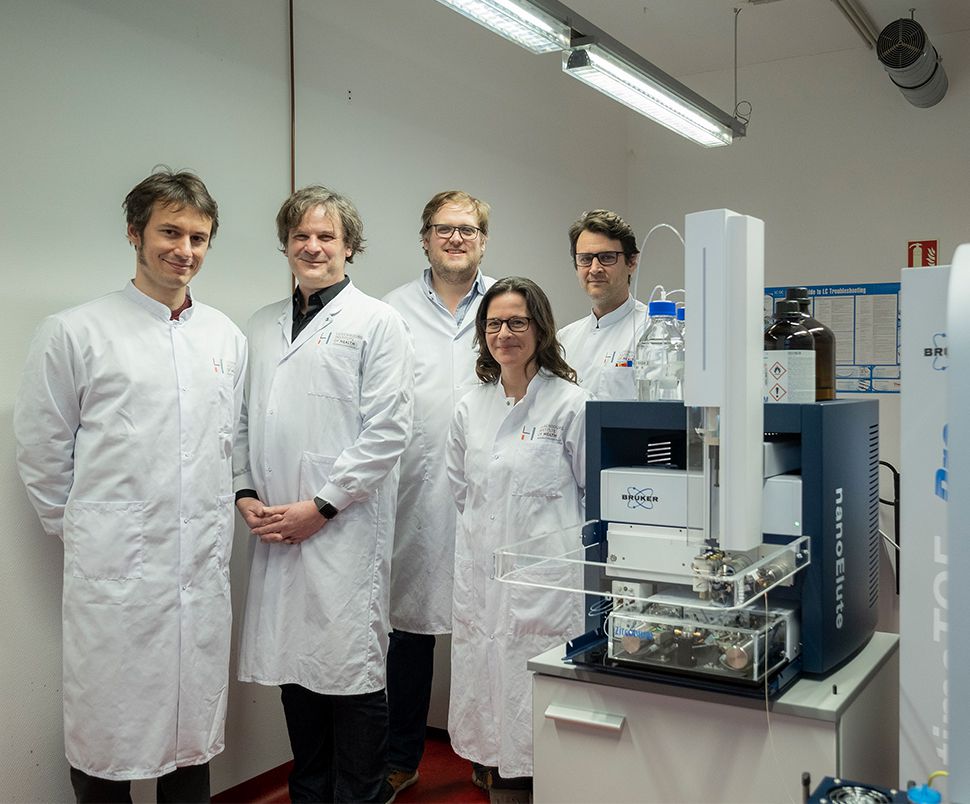
The Proteomics of Cellular Signalling group within the Department of Cancer Research at LIH provided state-of-the-art mass spectrometry and high-resolution protein mapping expertise. By analysing and cataloguing the protein composition of the specialized transport containers, the Luxembourg team identified key molecular signatures, allowing international collaborators to confirm the exact signalling pathways driving organ channel assembly.
Scientific Contact
Related News