News
MTA Group at the Clinical Research Luxembourg Conference 2025
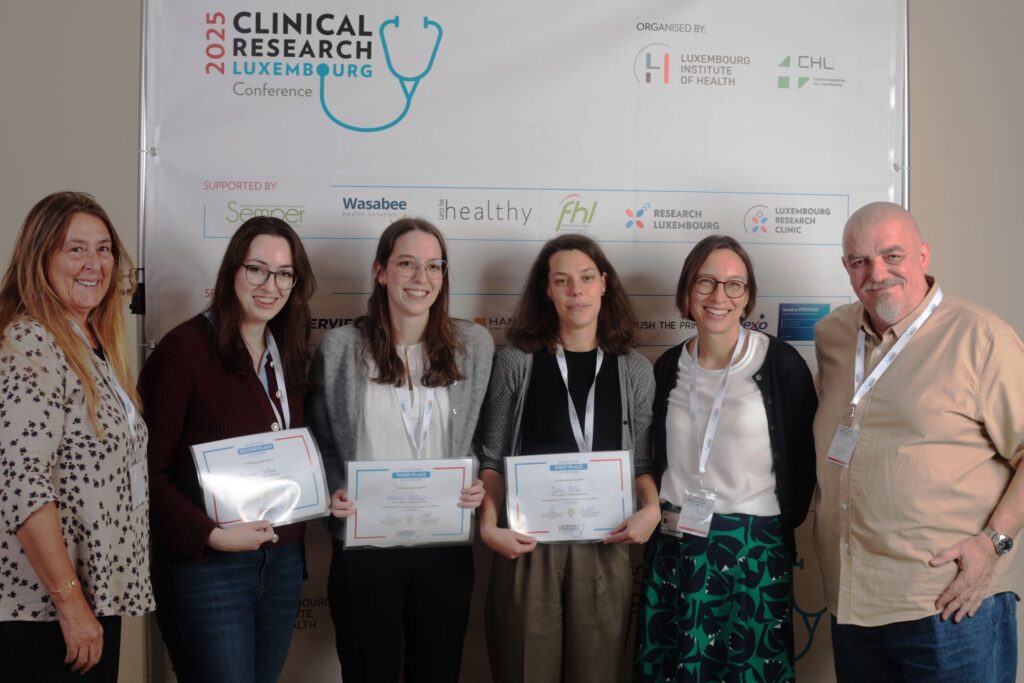
The Clinical Research Luxembourg Conference 2025, held in November 2025 at the Centre Hospitalier de Luxembourg (CHL), was once again a great opportunity to bring together researchers, clinicians, students, and healthcare professionals from across Luxembourg. With a strong focus on connecting clinical practice and research, the discussions were engaging and highly relevant.
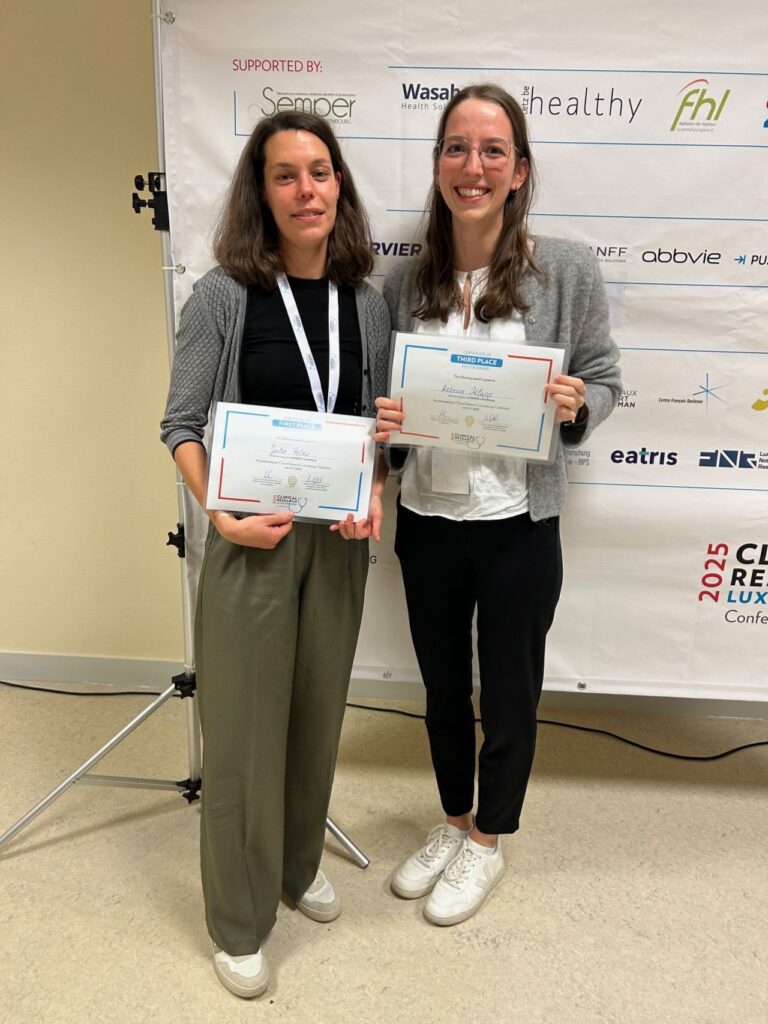
The Molecular and Translational Allergology was strongly represented, contributing two scientific talks and five posters. The team’s work was also recognized with two poster awards, highlighting the commitment and collaborative spirit behind our research.
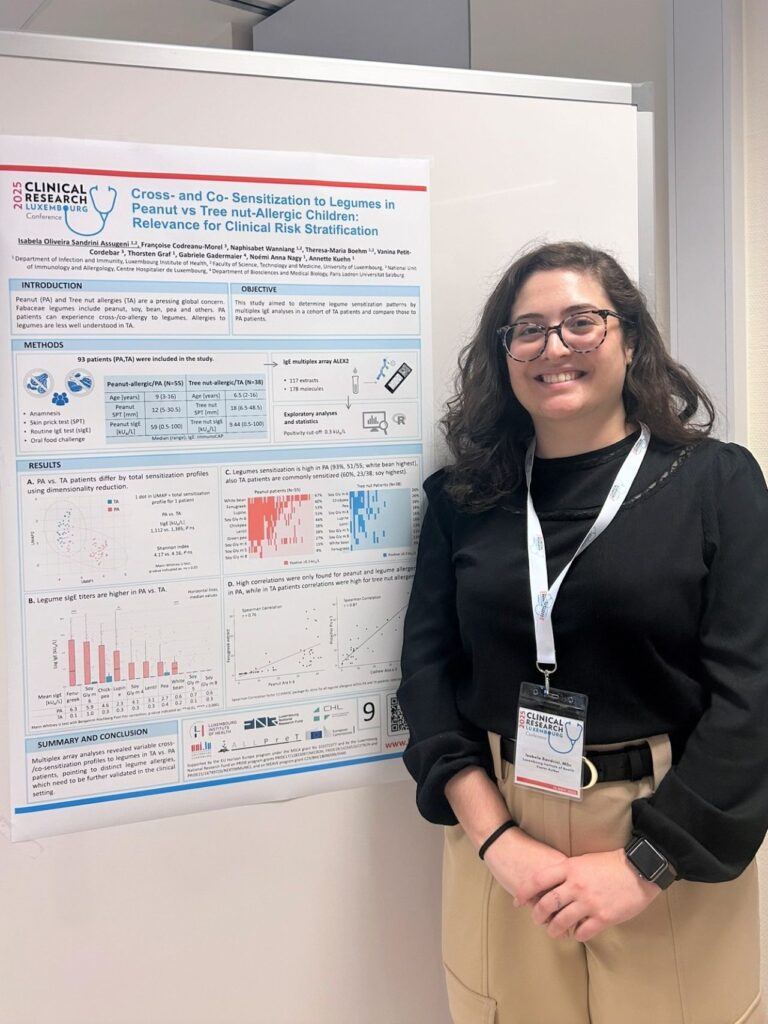
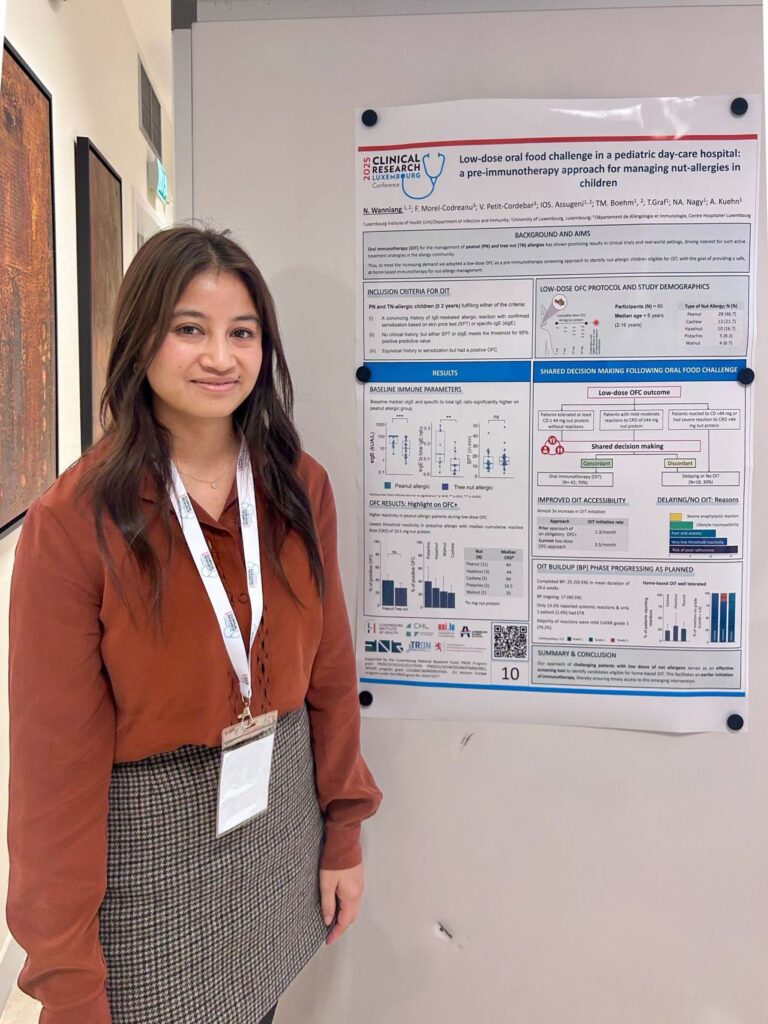
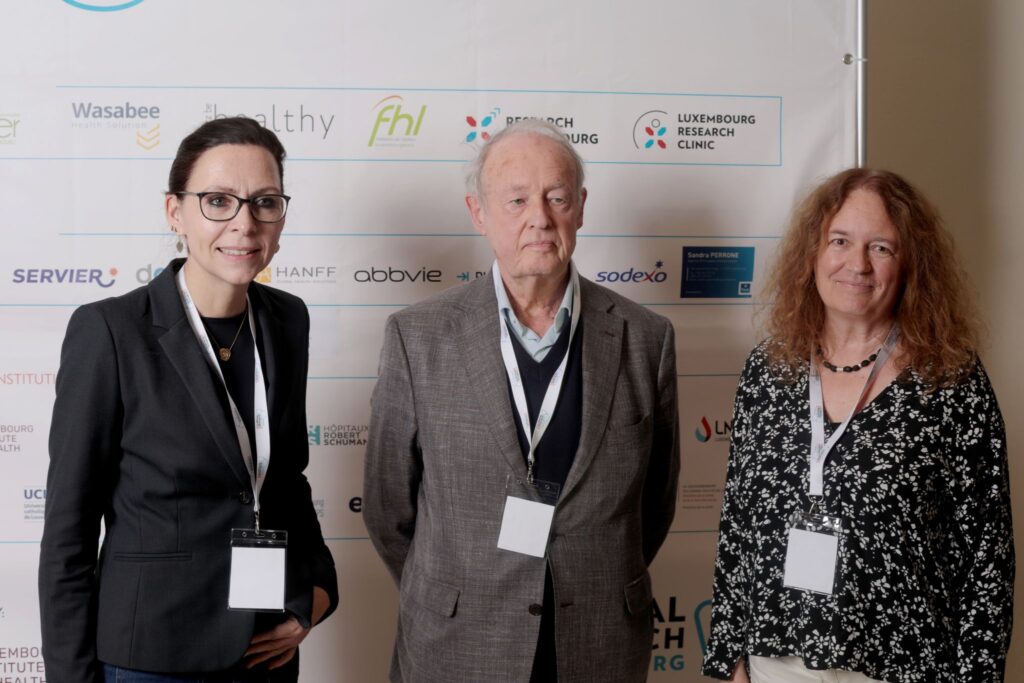
Group leaders Dr Annette Kuehn and Dr Christiane Hilger presented ongoing clinical collaborations with the CHL, addressing topics such as immunological markers to guide oral immunotherapy in children allergic to nuts as well as new insights into α-gal syndrome triggered by tick bites. These projects are carried out in close collaboration with CHL clinicians, including Dr Françoise Morel and Dr Farah Hannachi, ensuring that the research remains closely connected to real patient needs.
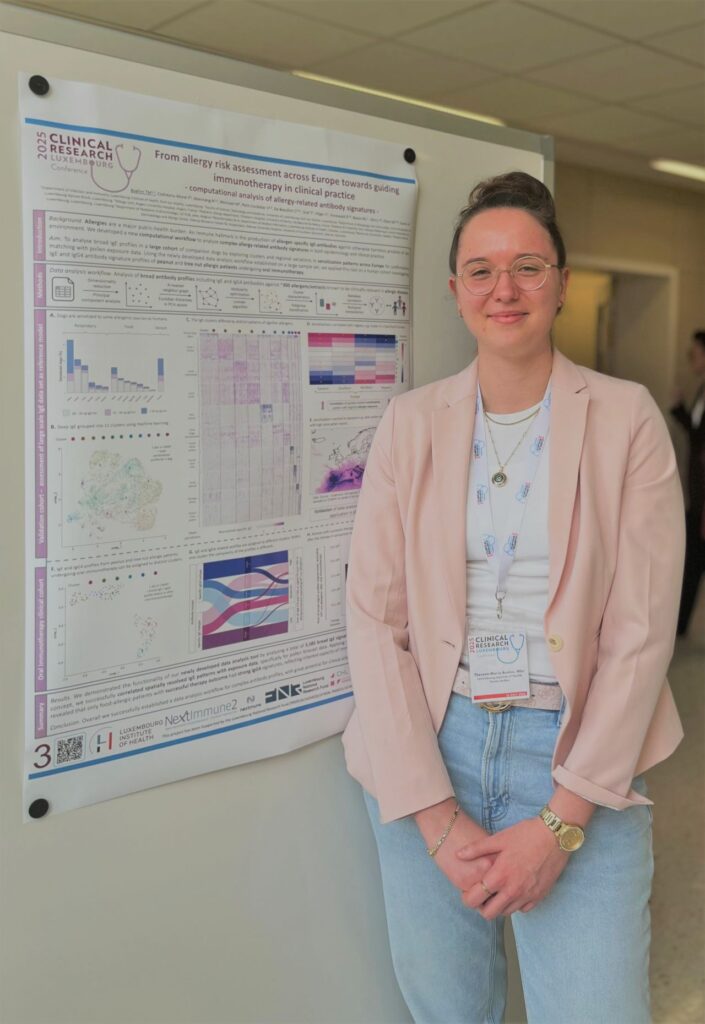
PhD candidates and early-career researchers from the MTA Group also presented posters on a wide range of topics, including legume sensitization in peanut- and tree nut-allergic children, computational analysis of allergy-related antibody signatures, low-dose oral food challenges as a step before immunotherapy, pediatric asthma, and immune responses involved in α-gal syndrome. Special congratulations go to Dr Julie Petry and Rebecca Klapp for winning first and third place poster prizes!
Participation at the conference reflects the MTA Group’s strong commitment to translational research and could not be possible without the help of partners such as the Luxembourg National Research Fund (FNR) (I2TRON, Nextimmune 2, Xpose), the EU Commission (ALLPreT Project), the Centre d’Investigation et d’Epidémiologie Clinique (CIEC), the Integrated Biobank of Luxembourg (IBBL), as well as the CHL and LIH, whose support makes this research possible.
Related News