News
LIH study uncovers how glioblastoma inhibits the immune system
New findings identify blood-based immune signatures that could support future biomarkers and more personalised treatments for aggressive brain cancer
- Neuro-Immunology Group
- Department of Cancer Research
- Cancer
- NORLUX Neuro-Oncology Laboratory
- Multiomics Data Science
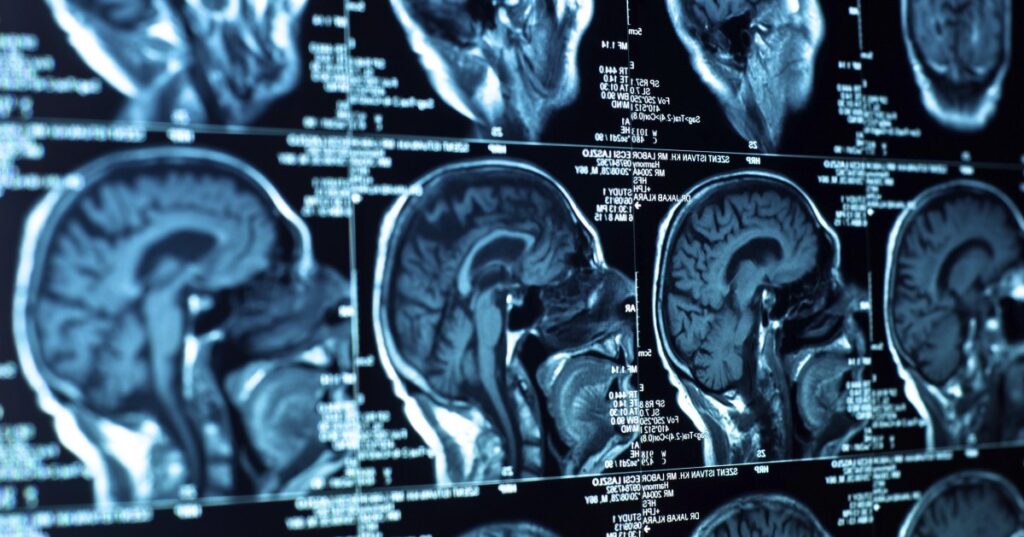
Researchers at the Luxembourg Institute of Health (LIH) have uncovered how glioblastoma, the most aggressive form of brain cancer, influences the body’s immune system. Using single-cell technologies, the team identified distinct immune cell signatures in patients’ blood, providing new insights into disease progression and opening opportunities for future blood-based biomarkers and targeted therapies.
Glioblastoma is a notoriously difficult to treat cancer because it creates an immunosuppressive environment that allows the tumour to evade the body’s natural defences. While these effects have long been recognised, the underlying mechanisms remain poorly understood.
Identification of a glioblastoma-specific immune signature in blood
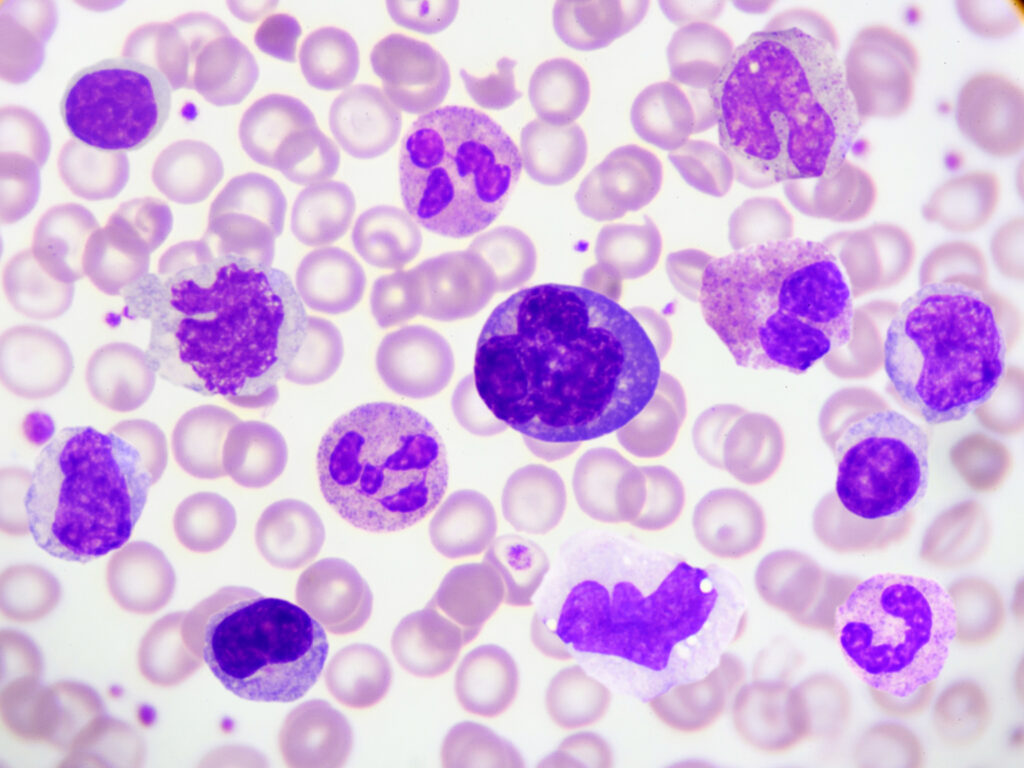
In this new study published in the Journal of Neuroinflammation, researchers from the Department of Cancer Research at the LIH in collaboration with clinicians from the Centre Hospitalier de Luxembourg (CHL) analysed blood samples from glioblastoma patients using an integrated approach combining mass cytometry, flow cytometry and single-cell RNA sequencing. They discovered that monocytes, key orchestrators of anti-tumour immunity, are reprogrammed into immunosuppressive cells that can contribute to the accumulation of tumour-associated macrophages within the brain, thereby fostering tumour growth and immune evasion. At the same time, several other immune cell populations were depleted, revealing widespread disruption of the body’s immune system.
Our findings show that glioblastoma leaves a distinct fingerprint in circulating immune cells, not just within the tumour itself. Understanding these changes brings us closer to developing completely non-invasive biomarkers that could one day help doctors monitor the disease and guide treatment using a simple blood sample, rather than relying on brain tissue,
said senior author Dr Alessandro Michelucci, Head of the Neuro-Immunology Group at the LIH.
Towards more targeted immunotherapies
Immunotherapies, which harness the body’s own immune system to fight cancer, have transformed the treatment of several cancers. However, they have so far shown only limited success in glioblastoma, largely because the tumour creates a highly immunosuppressive environment that prevents immune cells from mounting an effective attack.
By revealing how glioblastoma reshapes immune cells throughout the body, not just within the tumour itself, the researchers hope to identify new ways of overcoming these barriers. “Understanding the mechanisms that suppress the immune system is a crucial step towards developing more effective immunotherapies,” said Michelucci. “If we can identify and eventually target the pathways responsible for immune dysfunction, we may be able to restore the body’s natural anti-tumour response and improve future treatments.”
Collaboration leads to patent application
The study is a significant achievement for Luxembourg’s biomedical research community, having been conducted as a collaborative effort between several research teams at the LIH, including the Neuro-Immunology Group, the NORLUX Neuro-Oncology laboratory, and the Multi-omics Data Science group, using samples from the national PRECISION-PDX and HEALTHY BLOOD cohorts. In collaboration with Prof. Melin at the University of Umea in Sweden, the project has also resulted in a patent application with the European Patent Office, highlighting the innovative potential of the findings. Together, the results provide a strong foundation for developing blood-based immune biomarkers that could improve the diagnosis and treatment of glioblastoma patients.
Future outlooks
The researchers are now investigating whether the discovered immune signatures are unique to glioblastoma or shared with other cancers and neurological diseases. They are also exploring how these blood-based immune profiles relate to the biological architecture of the tumour itself, with the aim of identifying clinically relevant biomarkers that could support diagnosis, patient stratification or treatment monitoring. In parallel, future studies will examine whether key immune molecules identified in patients actively contribute to tumour progression, helping to uncover the mechanisms linking the immune system and glioblastoma and potentially revealing new therapeutic targets.
Scientific Contact
Related News