Imagerie Cérébrale et de Neuro-Épidémiologie (BraINE)
Le groupe BraINE étudie la santé du cerveau, en explorant les facteurs qui augmentent ou réduisent le risque de maladies cérébrales. Il développe également des méthodes pour prédire et détecter ces maladies à un stade précoce.
Activités
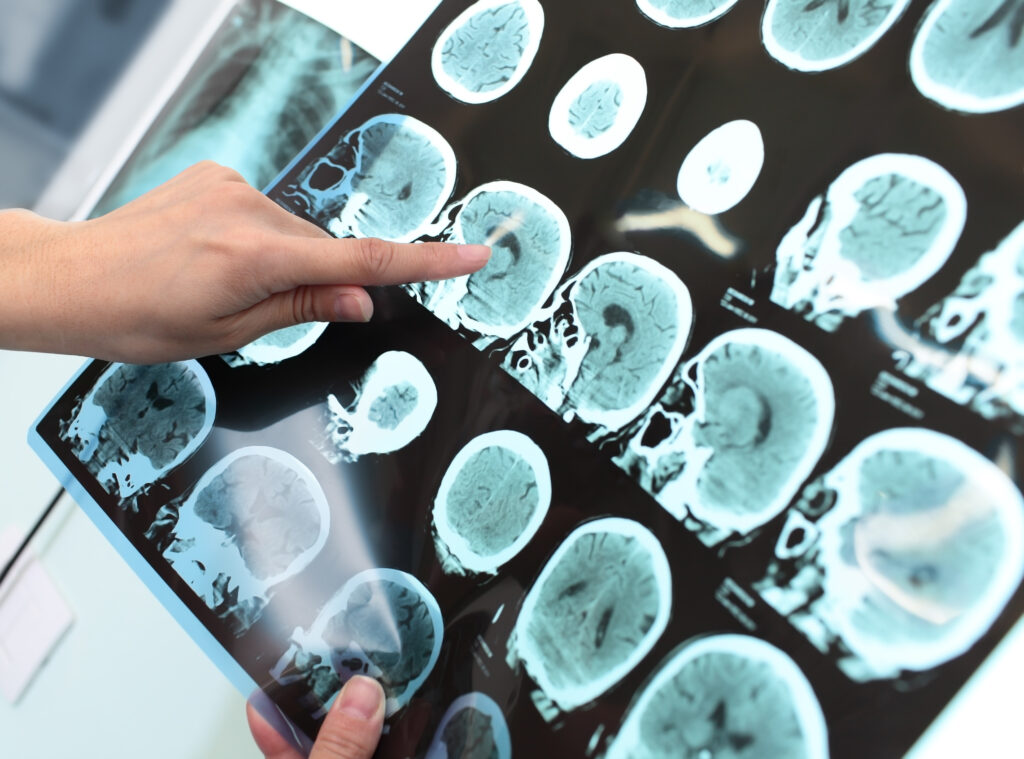
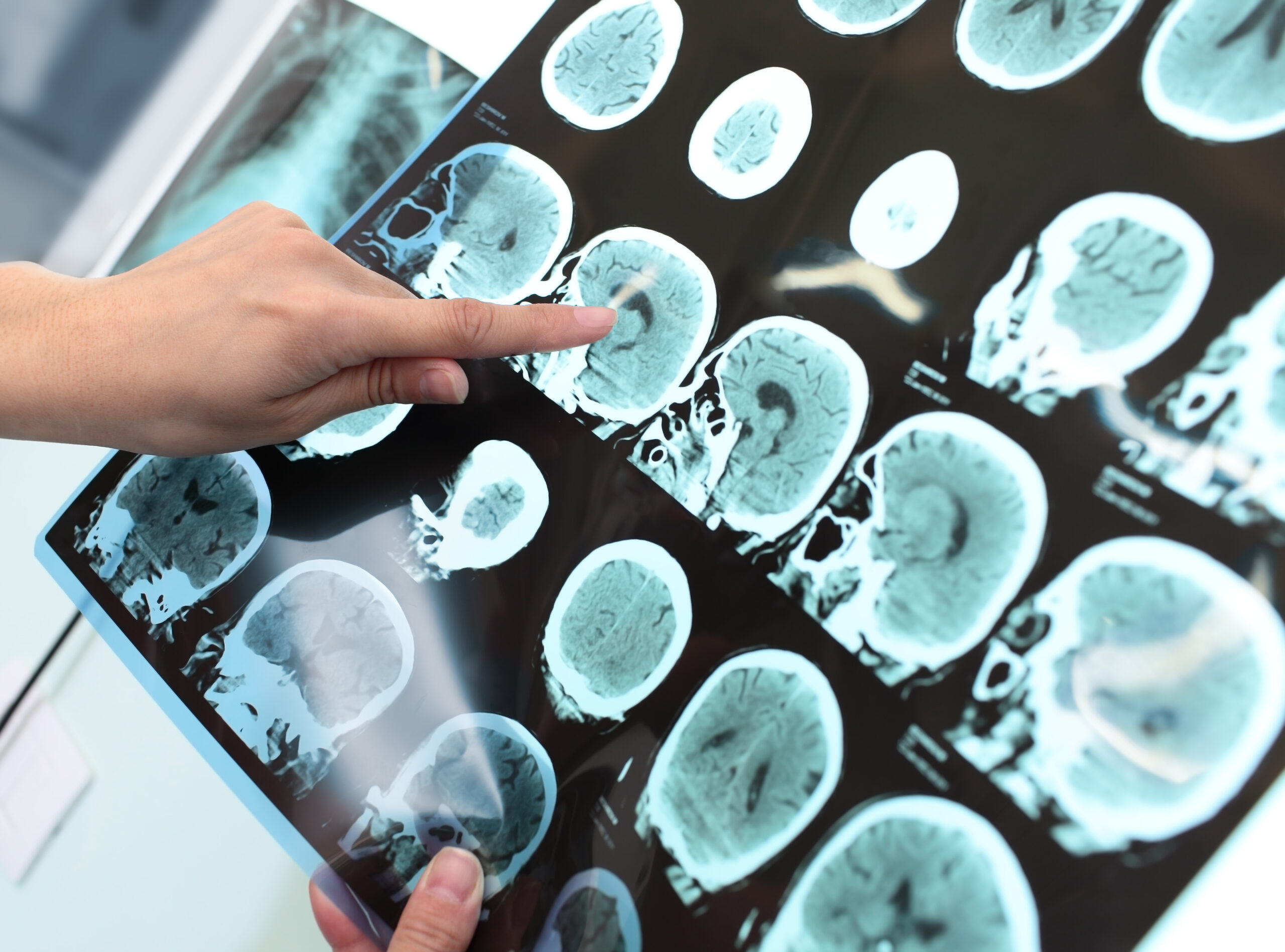
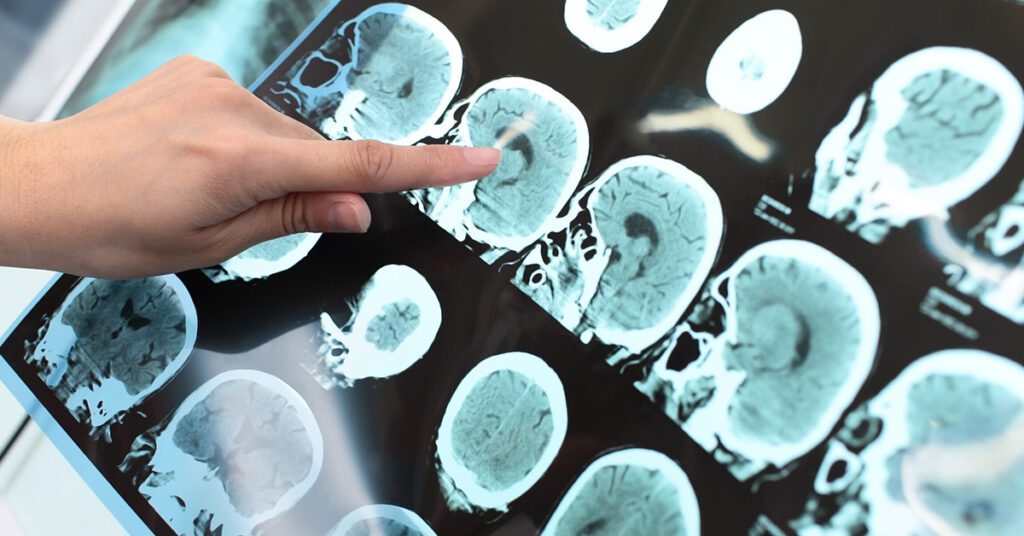
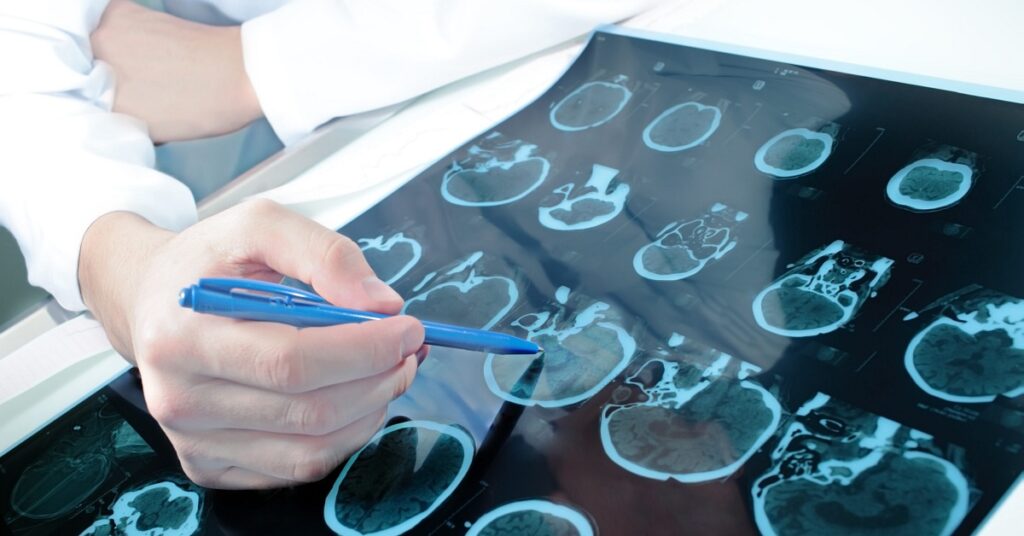
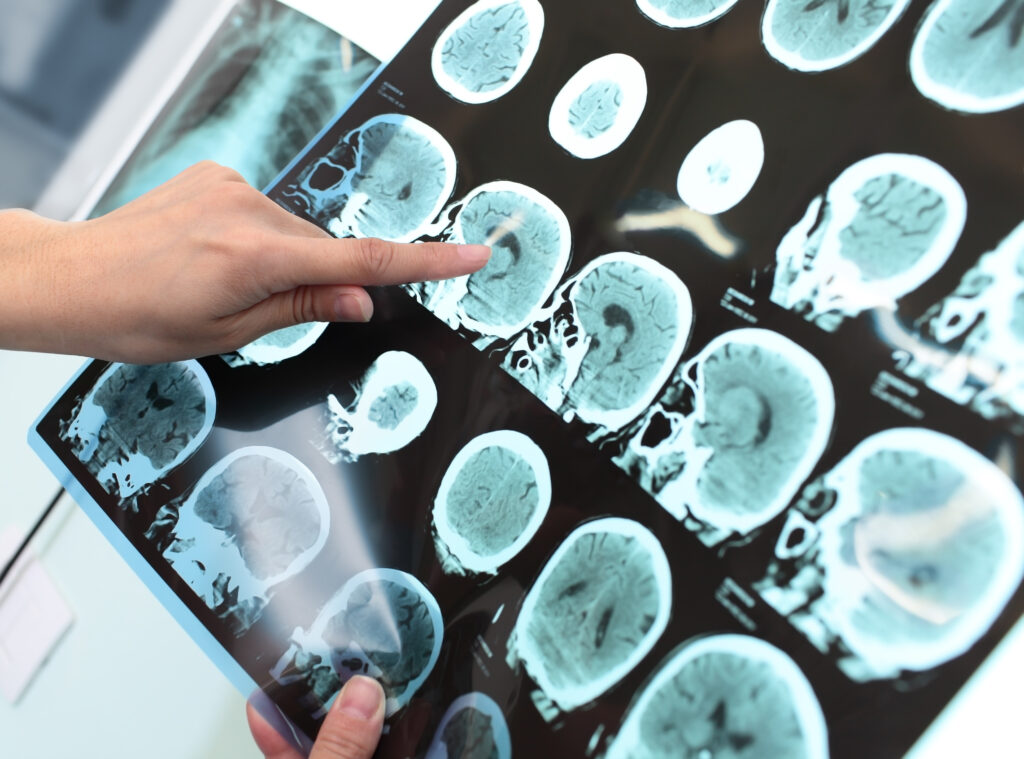
Ses recherches portent à la fois sur des personnes en bonne santé et des patients, ainsi que sur des modèles animaux pour mieux comprendre différentes maladies. L’équipe utilise principalement des technologies avancées d’imagerie cérébrale (IRMf, IRM, TEP), mais elle étudie aussi comment la mémoire et les capacités cognitives sont influencées par différents facteurs, au-delà de la seule structure du cerveau.
Avec un fort accent sur l’amélioration des soins aux patients, le groupe BraINE développe des méthodes avancées pour analyser les images médicales, en utilisant la radiomique (qui permet d’extraire des informations détaillées des images) et l’apprentissage profond (des techniques d’intelligence artificielle qui aident à repérer des motifs complexes dans les images).
Les projets actuels portent sur les maladies cérébrales qui s’aggravent avec le temps, comme les tumeurs cérébrales, Alzheimer et Parkinson, ainsi que sur les effets à long terme du COVID-19 sur le cerveau .
L’équipe est affiliée au Département de Recherche sur le Cancer et au Département de Santé de Précision du LIH.


Partenaires & Soutien au Financement




Projets et essais cliniques
Membres de l’équipe
-
 Yu
Yu
Deng Postdoctoral Fellow -
 Salah
Salah
Ghamizi Postdoctoral Fellow -
 Olivier
Keunen Group Leader -
 Elena
Elena
Lacomba Arnau Postdoctoral Fellow -
Valérie
Palissot Scientist -
Daniele
Perlo Postdoctoral Fellow -
 Magali
Perquin Deputy Group Leader -
Sojin
Shim Postdoctoral Fellow
Publications scientifiques
-
MorphiNet – 14/04/2026
-
Development of a highly differentiated rat brain organoid model for exploring glioblastoma invasion dynamics and therapy – 24/11/2025
-
Data-driven clinical decision support tool for diagnosing mild cognitive impairment in Parkinson’s disease – 12/01/2026
-
Self-diffusion for Solving Inverse Problems – 07/12/2025
-
Penetrance of Parkinson’s disease in GBA1 carriers depends on variant severity and polygenic background – 01/12/2025
-
Towards fair decentralized benchmarking of healthcare AI algorithms with the Federated Tumor Segmentation (FeTS) challenge – 01/12/2025
-
RodEpil: Laboratory Rodents Dataset for Epileptic Seizure Detection – 13/11/2025
-
Author Correction – 07/11/2025
-
RodEpil: A Video Dataset of Laboratory Rodents for Seizure Detection and Benchmark Evaluation – 01/11/2025
-
Co-occurrence of memory impairment and fatigue distinguishes post COVID from pandemic-related health effects in the 4-year CON-VINCE cohort study – 27/10/2025
Postes à pourvoir
Il n’y a pas d’offres d’emploi correspondant à cette page pour le moment. Vous pouvez consulter toutes les offres d’emploi en cliquant sur le bouton ci-dessous.
Actualités associées















Faire un don
Brain Imaging & Neuro Epidemiology
The BraINE group studies brain health by exploring the factors that increase or decrease the risk of brain diseases. They also develop methods to predict and detect these diseases at an early stage.
ACTIVITIES
Research focuses on both healthy individuals and patients, as well as animal models to better understand different diseases. The team primarily uses advanced brain imaging technologies (fMRI, MRI, PET), but they also study how memory and cognitive abilities are influenced by various factors, beyond just the brain’s structure.
With a strong focus on improving patient care, the BraINE group develops advanced methods for analysing medical images, using radiomics (which extracts detailed information from images) and deep learning (artificial intelligence techniques that help detect complex patterns in the images).
Current projects focus on brain diseases that worsen over time, such as brain tumours, Alzheimer’s and Parkinson’s, as well as the long-term effects of COVID-19 on the brain.
The team is affiliated with both the Department of Cancer Research and the Department of Precision Health at the LIH.
Partners & Funding
Projets et essais cliniques
Membres de l’équipe
-
Yu
Deng Postdoctoral Fellow -
Salah
Ghamizi Postdoctoral Fellow -
Olivier
Keunen Group Leader -
Elena
Lacomba Arnau Postdoctoral Fellow -
Valérie
Palissot Scientist -
Daniele
Perlo Postdoctoral Fellow -
Magali
Perquin Deputy Group Leader -
Sojin
Shim Postdoctoral Fellow
Publications scientifiques
-
MorphiNet – 14/04/2026
-
Development of a highly differentiated rat brain organoid model for exploring glioblastoma invasion dynamics and therapy – 24/11/2025
-
Data-driven clinical decision support tool for diagnosing mild cognitive impairment in Parkinson’s disease – 12/01/2026
-
Self-diffusion for Solving Inverse Problems – 07/12/2025
-
Penetrance of Parkinson’s disease in GBA1 carriers depends on variant severity and polygenic background – 01/12/2025
-
Towards fair decentralized benchmarking of healthcare AI algorithms with the Federated Tumor Segmentation (FeTS) challenge – 01/12/2025
-
RodEpil: Laboratory Rodents Dataset for Epileptic Seizure Detection – 13/11/2025
-
Author Correction – 07/11/2025
-
RodEpil: A Video Dataset of Laboratory Rodents for Seizure Detection and Benchmark Evaluation – 01/11/2025
-
Co-occurrence of memory impairment and fatigue distinguishes post COVID from pandemic-related health effects in the 4-year CON-VINCE cohort study – 27/10/2025
Postes à pourvoir
Il n’y a pas d’offres d’emploi correspondant à cette page pour le moment. Vous pouvez consulter toutes les offres d’emploi en cliquant sur le bouton ci-dessous.