News
Turning cancer weakness into novel brain tumour treatments
Luxembourg researchers map DNA repair stress in glioblastoma to uncover targeted therapies and boost immune responses
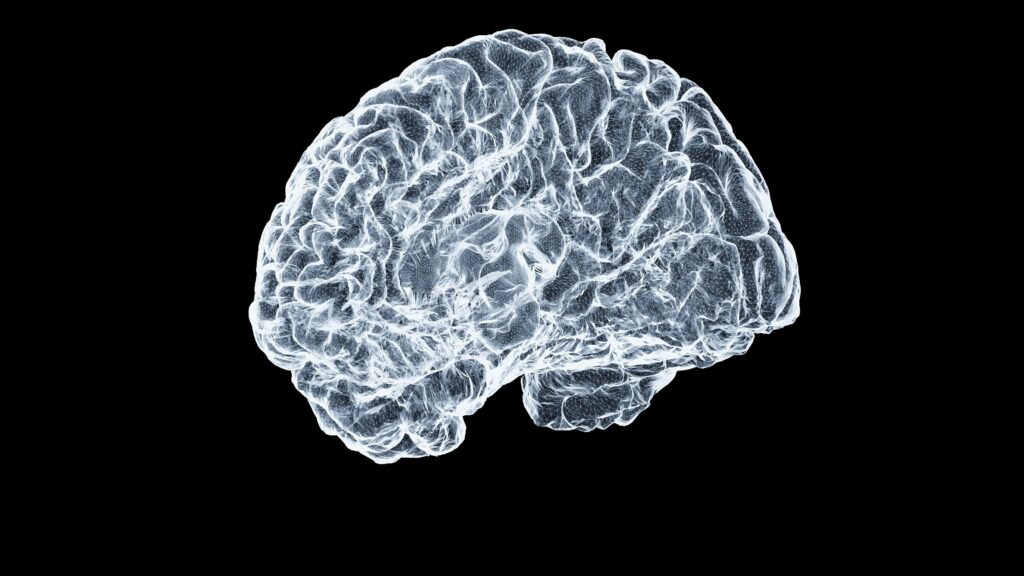
A new study by the Luxembourg Institute of Health shows how targeting DNA repair mechanisms in glioblastoma can disrupt tumour growth and improve treatments. Led by Dr Eric Van Dyck in the Department of Cancer Research, the work maps key vulnerabilities to help overcome therapy resistance.
What is glioblastoma and why is it so hard to treat?
Glioblastoma is the most common and aggressive primary brain tumour in adults. Standard care currently relies on surgery, radiation therapy, and chemotherapy using temozolomide. However, these cancers almost universally return because tumour cells possess an extraordinary ability to adapt and survive. The new review, led by Dr Eric Van Dyck, Group Leader of the DNA Repair and Chemoresistance group, explained that one main cause of this resilience is the way cancer cells manage internal stress during cell division, allowing them to repair severe DNA damage caused by conventional treatments.
What is replication stress in cancer cells?
When glioblastoma cells multiply rapidly, the machinery that copies their genetic code often falters, creating a phenomenon known as replication stress. While excessive stress can kill normal cells, the scientists uncovered that glioblastoma cells rely on specific DNA damage response pathways to survive. They become dependent on these backup repair systems, which keeps them alive despite continuous genetic instability.
Glioblastoma cells are constantly walking a tightrope between genetic chaos and survival,” explains Dr Eric Van Dyck, from the Luxembourg Institute of Health. “By understanding precisely which repair mechanisms these tumours depend on when coping with replication stress, we can design therapies that remove their safety net, forcing the cancer cells to collapse while sparing healthy tissue.“
How can targeting replication stress improve brain cancer treatment?
By using specialized drugs known as response inhibitors, scientists can block the specific repair enzymes that glioblastoma cells rely on to fix their DNA. The review highlighted that when combined with standard chemotherapy, these targeted therapies prevent the tumour cells from healing, making the primary treatment far more effective.
Can blocking DNA repair help the immune system fight brain tumours?
The review also uncovered that unrepaired DNA damage inside a tumour cell often causes genetic material to leak into the surrounding cellular fluid. This triggers internal danger signals that can alert the host immune system to the presence of the cancer. Combining replication stress inhibitors with modern immunotherapies could help overcome the immune-suppressive environment of glioblastoma, encouraging the patient’s own body to attack the tumour.
The review, titled “Targeting replication stress in glioblastoma: From genotoxic treatment and inhibitors of the DNA damage response to immunotherapy”, was published in Neuro-Oncology Advances (DOI: 10.1093/noajnl/vdag177).
Scientific Contact
Related News