News
New DII review explores better ways to assess allergy risks in novel foods

Novel foods, from insect-based ingredients to alternative plant proteins, are becoming an increasingly important part of a more sustainable food system. However, before these products reach consumers, scientists need reliable ways to assess whether they could trigger potentially dangerous allergic reactions.
In a new review published in Frontiers in Immunology, Dr Annette Kuehn, Co-Head of the Molecular & Translational Allergology (MTA) group in the Department of Infection and Immunity (DII), and her team explore how new immunological technologies could improve the way scientists assess the allergy risks of novel foods before they reach consumers.
Current safety assessments mainly compare proteins found in new foods with those in known allergens and measure allergy-related antibodies. While these methods are useful, they do not always reflect how the human immune system responds in real life.
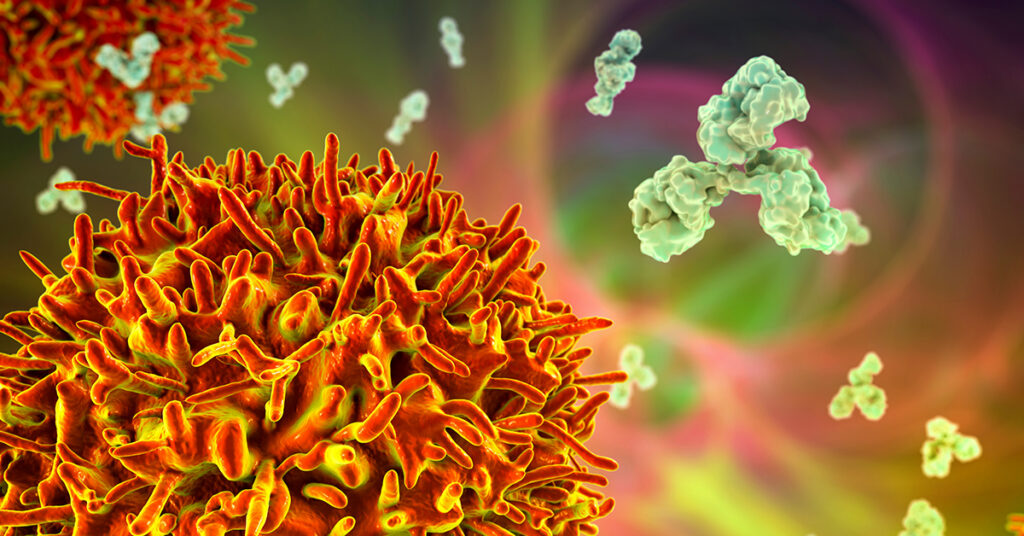
The review highlights a range of promising new approaches that could provide a more complete picture. These include advanced laboratory tests that study how immune cells react to potential allergens, as well as cutting-edge technologies that analyse immune responses in greater detail and even recreate human tissues on miniature “organ-on-a-chip” devices. Together, these methods could help make allergy risk assessments more accurate and reliable.
The review is based on a PhD project carried out by Isabela Assugeni at the LIH as part of the EU-funded ALLPreT (Allergenicity Prediction Toolbox) project, in which the MTA group is a key partner. Through this work, the team aims to better understand how food allergies develop and to improve the safety assessment of novel foods for the future.
Scientific Contact
Related News