🇬🇧 Do causal inference practices uniquely predicts causal inference quality?
- Lecture Series – Causal Inference Methods For Real-World Data
Speakers
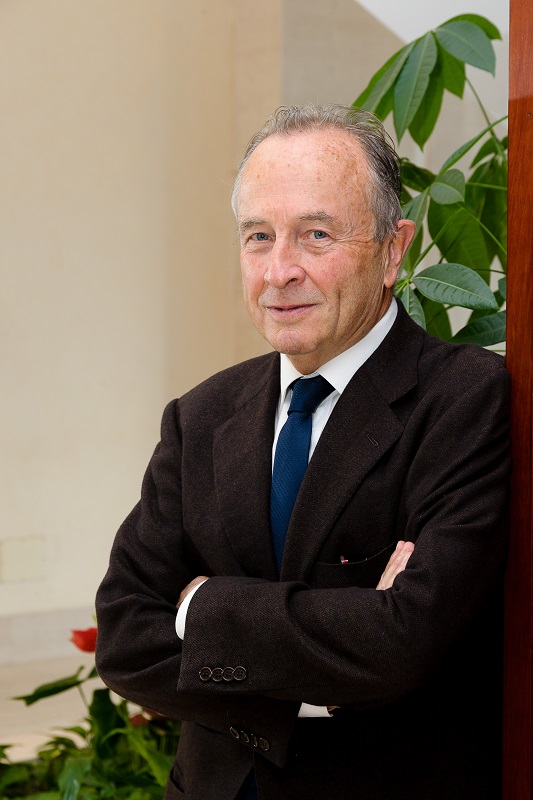
Personality psychologist, Academic assistant Leipzig University
Abstract
Correlation does not imply causation, but teaching applied researchers pretty much just that – and nothing else – about causal inference has had some peculiar consequences. For example, researchers have come up with very creative phrasings to imply causality while maintaining some degree of plausible deniability (such as the language of “unique” prediction), or have put undue faith in pseudo-solutions. In this webinar, I will share some observations that are mainly drawn from psychology but echo concerns raised in other fields (including other social and life sciences). I will discuss a major tension in the debate about causality: if researchers are taught how causal inference works in principle, will they end up drawing even more bad causal inferences? And I will also propose potential ways to make rigorous causal inference more mainstream.



LECTURE SERIES
Causal inference methods for real-world data 2025/2026
LOCATION
ONLINE ONLY
LECTURE: 11:00am – 12:00pm
Webinar via Webex:
Event number: 2732 731 9127
Supported by:

DATA PRIVACY
Read more about the “Data Protection Notice: processing of personal data in the scope of events’ management”.