🇬🇧 Decoding tumor-reactive T cells to avoid immune evasion and improve immunotherapies
- Lecture Series Cancer Research
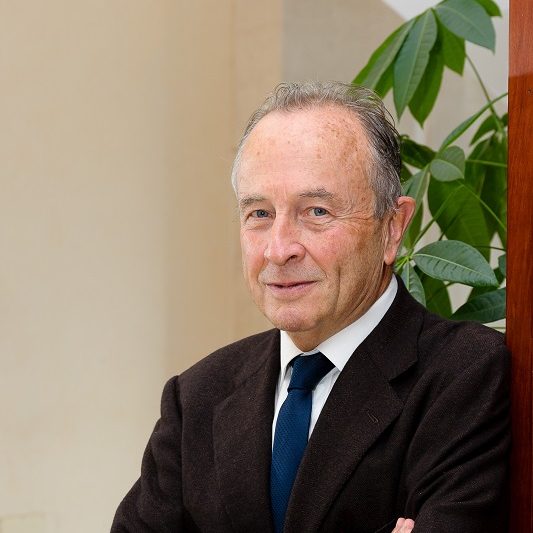
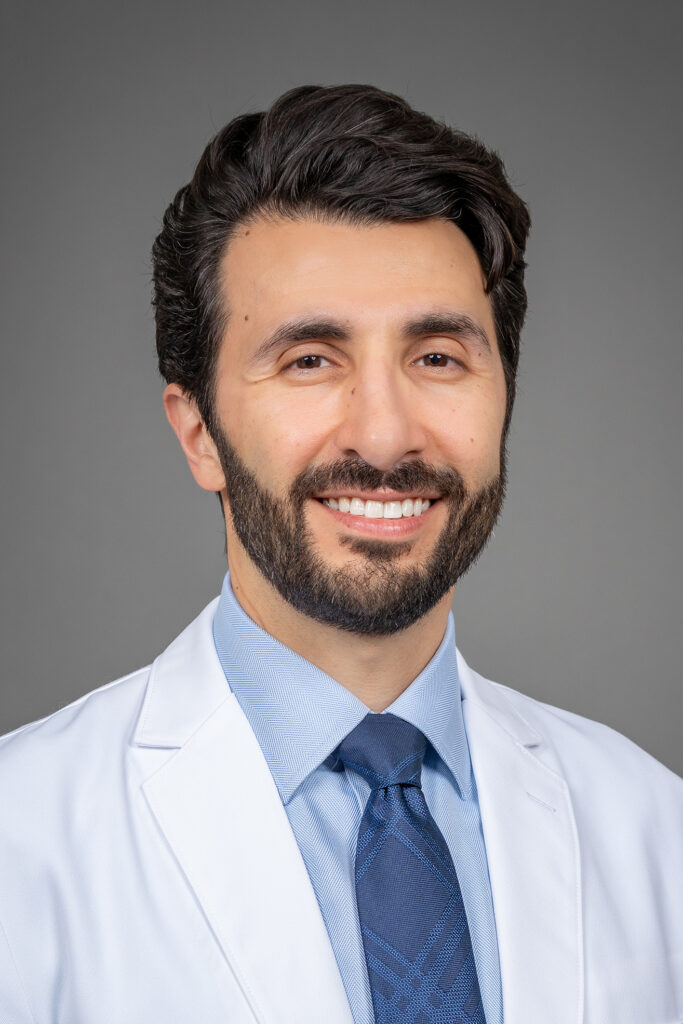
Speakers
Abstract
Cancer immune evasion is a fundamental challenge in oncology, enabling malignant cells to escape detection and destruction by the immune system. Tumors exploit various mechanisms to suppress or bypass immune responses, including altering antigen presentation, recruiting immunosuppressive cells, and inducing T-cell dysfunction.
Among these, T-cell exhaustion—a state of progressive functional decline in T cells due to chronic antigen exposure—is a key barrier to effective immunotherapy. Exhausted T cells often express inhibitory receptors such as PD-1, TIM-3, and LAG-3, and lose their ability to proliferate or kill cancer cells efficiently.
Understanding and reversing T-cell dysfunction is critical to improving the success of immunotherapies such as checkpoint inhibitors and chimeric antigen receptor (CAR) T-cell therapy. In B-cell malignancies like chronic lymphocytic leukemia (CLL), failure of these treatments is frequently linked to the presence of dysfunctional or exhausted T cells, particularly within the tumor microenvironment. In recent studies, we have used advanced single-cell technologies to map the complex T-cell landscape in CLL, revealing that the lymph node microenvironment harbors highly exhausted and regulatory T-cell populations. These insights have identified new immunosuppressive pathways, such as the Galectin-9/TIM-3 axis, which may serve as therapeutic targets.
In this context, emerging data on IL-10 challenge its classical role as an immunosuppressive cytokine. Using the Eμ-TCL1 mouse model of CLL, we demonstrate that IL-10–Fc treatment preserves CD8⁺ T-cell effector function under chronic antigen stimulation and limits the development of T-cell exhaustion. In parallel, IL-10–Fc directly reprograms the myeloid compartment, shifting suppressive monocytes toward a more inflammatory phenotype, thereby reshaping the tumor microenvironment. Importantly, these immunomodulatory effects translate into improved disease control and strongly enhance the depth and durability of response to ibrutinib, suggesting a strategy to overcome both immune dysfunction and therapeutic resistance in CLL.
Moreover, combination approaches remain highly promising. For example, CD19 CAR T cells combined with CD20-targeting bispecific antibodies can reinvigorate both endogenous and engineered T- cells, improving tumor clearance and survival in preclinical models.
Together, these findings highlight the importance of targeting both T-cell exhaustion and the broader immune microenvironment to develop more effective, multi-layered immunotherapeutic strategies in CLL.
Host
Luxembourg Institute of Health
Responsible Scientist:
Jérôme Paggetti
Etienne Moussay
LECTURE
11am-12pm
CHL – Centre
Room: Amphitheatre
4, rue Ernest Barblé
L-1210 Luxembourg
To join the webinar:
In-person attendance is strongly encouraged.
If you are unable to attend on site due to operational constraints, please contact Siu-Thinh.Ho@lih.lu for the Webex link.
MEET & EAT*
12.00pm-1pm
*Registration for the meet & eat is mandatory.
Please send an email to Siu-Thinh.Ho@lih.lu to confirm your attendance
Room: Salle Barbara Mc CLINTOCK
Supported by the Luxembourg National Research Fund

DATA PRIVACY
Read more about the “Data Protection Notice: processing of personal data in the scope of events’ management”.