News
Akkermansia muciniphila: friend or foe?
LIH scientists publish landmark perspective in Nature Microbiology
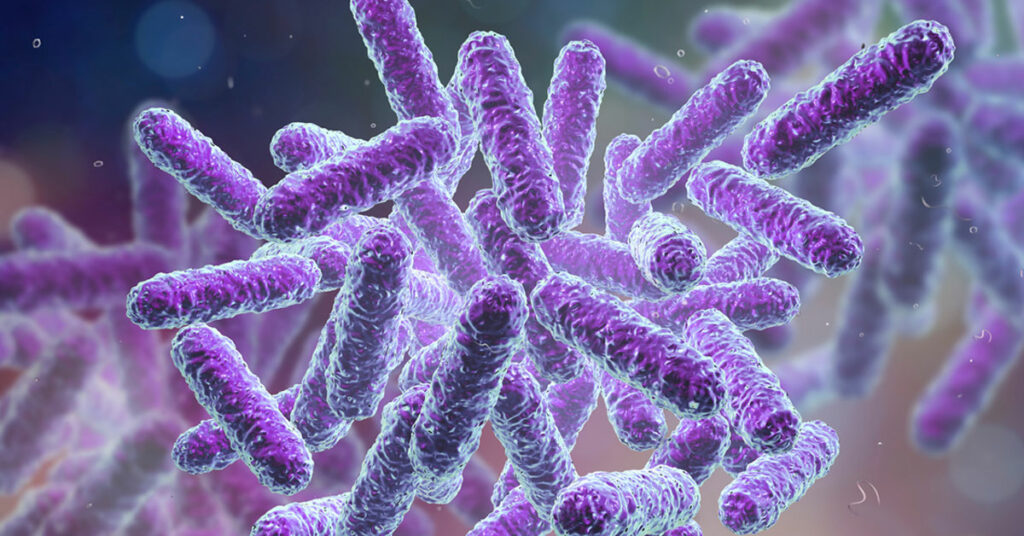
Researchers from the Nutrition, Microbiome & Immunity group of the LIH Department of Infection and Immunity (DII) recently published a major Perspective article in Nature Microbiology. The paper provides a comprehensive analysis of one of the most studied and promising members of the human gut microbiome, Akkermansia muciniphila, highlighting both its potential health benefits and the complexities that must be considered to guide the safe and effective development of next-generation probiotics.
For many years, gut bacteria were broadly classified as either “good” or “bad.” Recent research, however, shows that this simple dichotomy is insufficient. Many microbes can have different effects depending on an individual’s health, diet, genetics, and the surrounding microbial community. Understanding this context is key to evaluating their therapeutic potential.
Once such case is Akkermansia muciniphila, a bacterium which feeds on sugars in the mucus lining of the gut and which is found in about 40% of healthy individuals around the world. Numerous studies suggest it can support metabolic health, especially in people with obesity, by influencing hormones that regulate appetite and blood sugar. Because of these properties, Akkermansia has been proposed as a next-generation probiotic. In Europe, pasteurised forms are already available, while the live bacterium can be purchased in North America.
However, while often beneficial, A. muciniphila can have highly variable effects depending on multiple factors, including diet, existing gut microbes, genetics, and underlying health conditions. This reflects a broader shift within microbiome science, as similar complexities have emerged for other well-studied microbes such as Ruminococcus gnavus and Prevotella copri.
Moreover, the LIH team shows that A. muciniphila’s impact on the host is shaped not only by external factors but also by significant strain-level diversity. Different strains may alter the immune system, reinforce (or compromise) the intestinal barrier, or exhibit distinct antimicrobial resistance profiles. Yet these differences remain insufficiently understood, underscoring the need for deeper characterisation before therapeutic use. The researchers therefore propose strategies to maximise the beneficial effects of Akkermansia while mitigating potential risks associated with administering live bacteria indiscriminately.
While A. muciniphila shows its strongest promise in the context of metabolic syndrome, the scientific article highlights emerging research in other disease areas, including ongoing clinical trials in prostate cancer and irritable bowel syndrome. Beyond health applications, A. muciniphila also shows potential in biotechnology and pharmacology. Recent studies demonstrate its ability to efficiently remove ABO blood group antigens from red blood cells, paving the way for creating “universal donor” blood for transfusions. Furthermore, specific beneficial components of A. muciniphila may be isolated and used therapeutically, reducing risks linked to administering a live microbe. Genetic modification could further expand these applications, although regulatory hurdles for genetically modified organisms remain significant.
Indeed, several practical barriers to bringing A. muciniphila-based therapies into clinical use are also highlighted in the publication. Human-derived strains, while testable in mouse models, may interact differently with murine immune systems. These host-specific adaptations complicate the translation of results from mouse to human, reinforcing the importance of complementary in vitro systems and human cell-based assays in ensuring safe and effective applications.
Therefore, despite the significant promise as a probiotic, the enthusiasm surrounding A. muciniphila should be matched with caution, as its safety and effectiveness are context-dependent.
“Indeed, it is now clear that, in microbiology, the context makes the pathogen”, explains Prof Mahesh Desai, leader of the Nutrition, Microbiome & Immunity group and corresponding author of the publication.
A careful, evidence-based approach is therefore essential to ensure that supplements and therapies are used responsibly and safely, particularly as interest in microbiome-based therapies and consumer supplements continues to grow,
he concludes.
The paper, which was published in January 2026 with the full title “Navigating the duality of Akkermansia muciniphila”, can be accessed here.
Scientific Contact
Related News