News
Espoir en tête conference: the importance of philanthropy in brain research
LIH scientists supported by Luxembourg’s Rotary Clubs generosity
- Donation
- Transversal Translational Medicine (TTM)
- Cancer RNAs and Epigenetic group
- Proteomics of Cellular Signaling
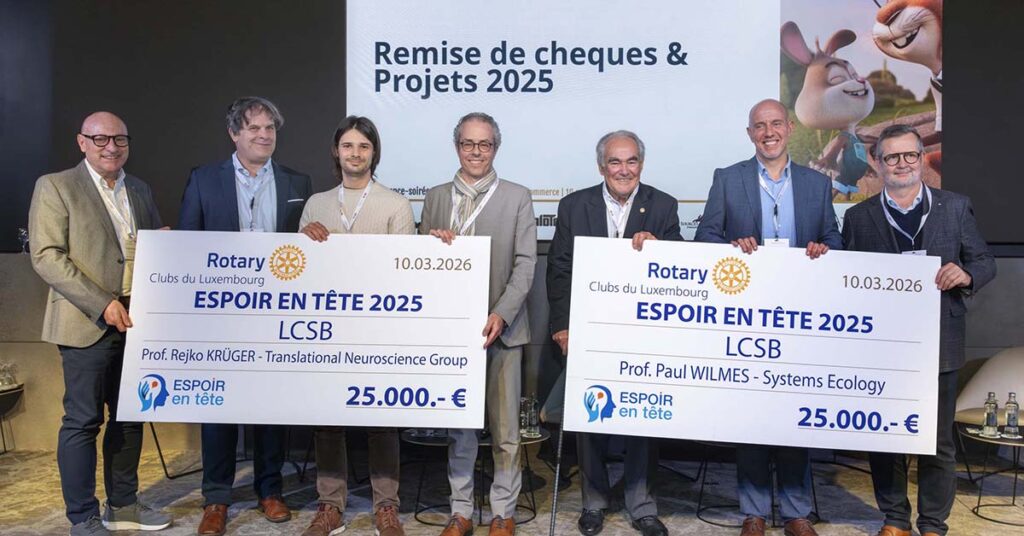
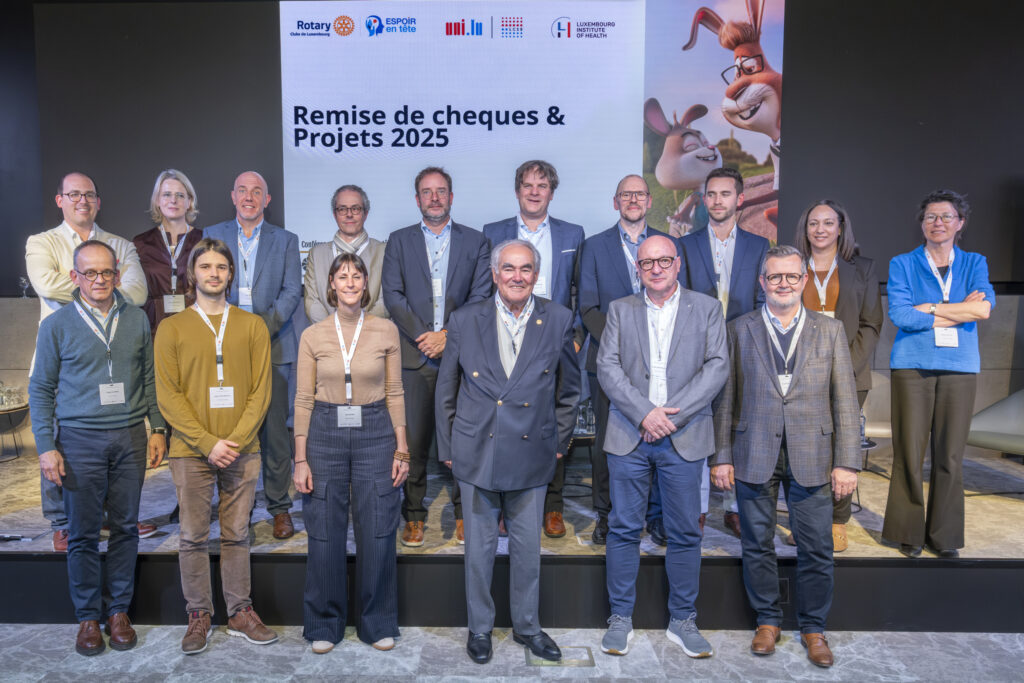
On March 10th, the first Espoir en tête evening conference was held by the University of Luxembourg in collaboration with the Luxembourg Institute of Health (LIH), under the initiative of Luxembourg’s Rotary Clubs. This scientific and convivial event provided an opportunity to discuss brain diseases, particularly neurodegenerative diseases, present the projects supported by Espoir en tête, and highlight the crucial role of philanthropic initiatives in advancing research.
Neurodegenerative diseases represent a major public health challenge. In Luxembourg, over 9,000 people live with Alzheimer’s disease and more than 3,000 with Parkinson’s disease. While these numbers continue to rise, advances in biomedical research are opening new perspectives for prevention, earlier diagnosis and improved treatments.
Driven by Luxembourg’s Rotary Clubs, the Espoir en tête initiative invites the public to attend the premiere of a major film, with half of the proceeds from the ticket sale being donated to support innovative research projects on neurodegeneration, brain cancer and other brain diseases. This often serves as seed funding for innovative ideas, enabling young researchers to launch pilot or exploratory studies that can later attract larger national or international grants.
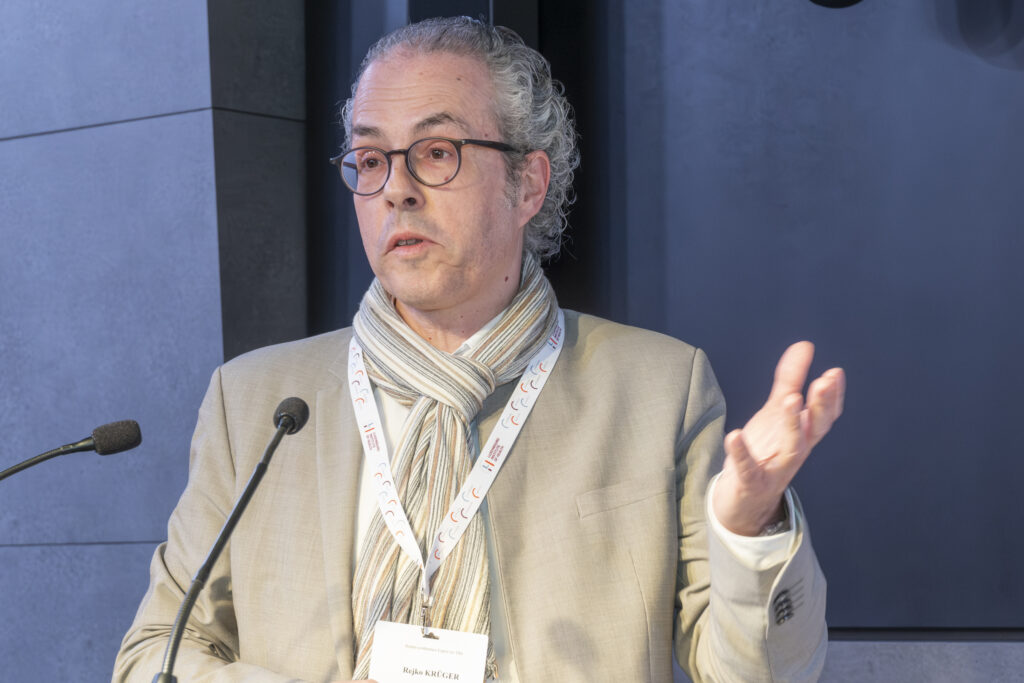
Prof. Rejko Krüger (LIH, LCSB, CHL), is among the recipients of support under the 2025 edition for his joint project with LCSB researcher Iñigo Yoldi Bergua on Parkinson’s disease and patients with high genetic risk factors. “The support from Espoir en Tête helps us translate scientific discoveries into concrete progress for people with Parkinson’s disease. Our project identifies ‘genetic fingerprints’ that allow us to classify Parkinson’s patients into subgroups sharing a common molecular cause – a significant step toward targeted treatments that modify the course of the disease,” states Prof. Krüger. The project also involves a collaboration with Dr Gunnar Dittmar, leader of the Proteomics of Cellular Signaling group at the LIH.
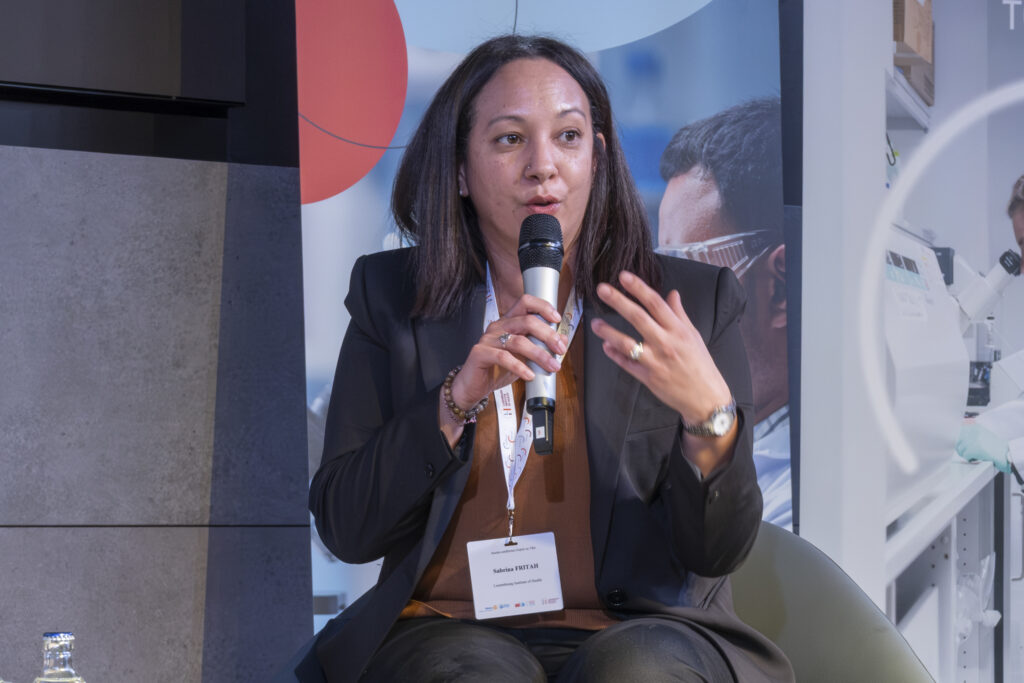
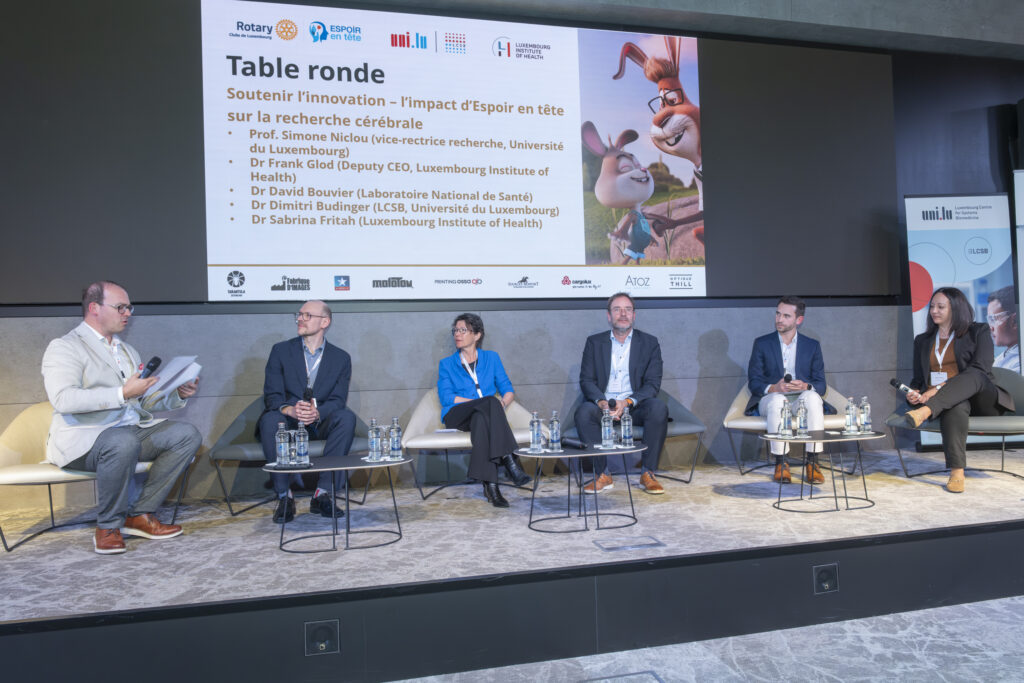
As the leader of the “Programme for Dementia Prevention” (pdp), coordinated by the Centre Hospitalier du Luxembourg (CHL) in collaboration with the LIH, Prof. Krüger also presented the many risk factors for neurodegenerative diseases, and revealed that by addressing 14 of them, 45% of dementia cases worldwide could be delayed and prevented, demonstrating that prevention strategies can play a major role alongside biomedical research. The conference ended with a round-table discussion featuring representatives from several Luxembourg institutions working on brain diseases. Among them were Dr Frank Glod, Deputy Director of the LIH, and Dr Sabrina Fritah, head of the Cancer RNAs and Epigenetic Group at LIH. Dr. Fritah shared how Espoir en tête funding played a crucial role in her scientific journey.
The support from Espoir en tête was decisive for my professional development. Thanks to this funding, I was able to obtain preliminary results that allowed me to secure a Télévie grant, enter a European research network and now lead my own research group
she says.
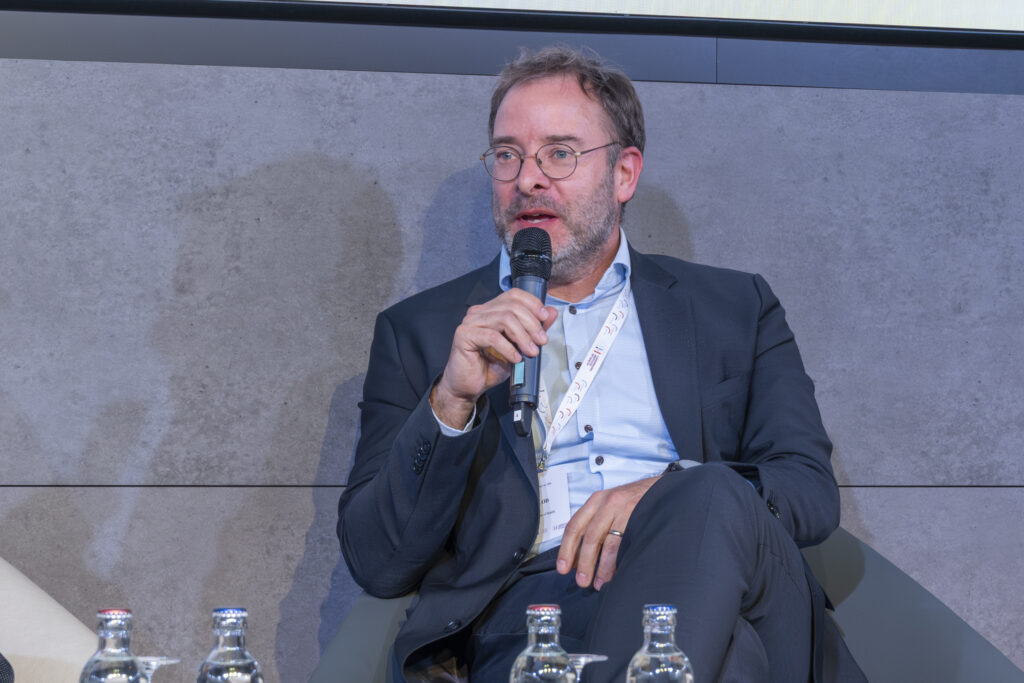
“Research is becoming increasingly ambitious and complex, often requiring collaboration across institutions and between clinicians, researchers and patients. Rotary’s support helps us maximise the impact of our collaborative projects”, states Dr Glod. “To make this collaborative vision a reality, the LIH, the University and all four national hospitals are now joining forces to create the Luxembourg Research Clinic, an initiative that will strongly facilitate clinical and translational research”.
Looking forward, the 2026 Espoir en tête call for projects will be launched at the end of March, with the screening of the premiere of the animated film “Allez Hëpp Hopp Hopp!” planned for Sunday, April 19th. The continued engagement of Luxembourg’s Rotary Clubs will keep supporting researchers in their mission to better understand brain diseases and develop the next generation of treatments.

Scientific Contact
Related News