News
Antioxidant metabolism found to be crucial for natural killer cell function
New study by the Luxembourg Institute of Health reveals how glutathione supports immune responses against infections and cancer
A new study published in Cell Reports uncovers how antioxidant metabolism regulates the activity of natural killer cells, an essential component of the body’s immune defence against viral infections and cancer. LIH Researchers have shown that the antioxidant glutathione is critical for maintaining the metabolic fitness and anti-tumour activity of these immune cells, particularly in preventing the spread of cancer to distant organs.
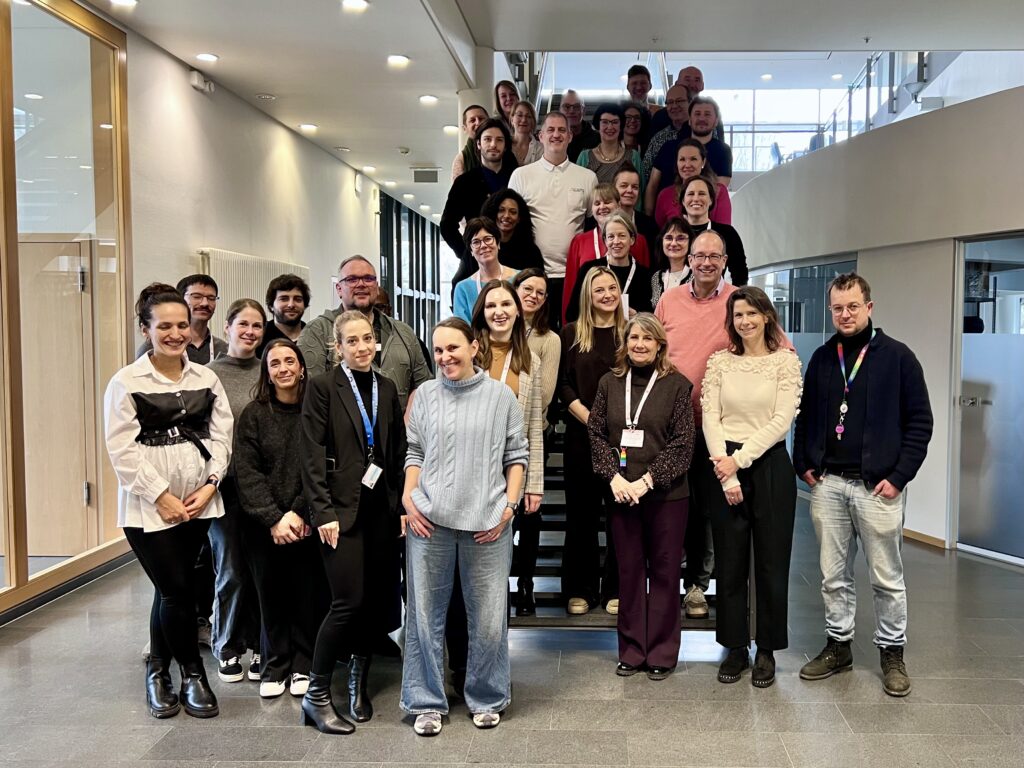
The Experimental and Molecular Immunology group at the Luxembourg Institute of Health (LIH), headed by Prof Dirk Brenner, led the study, which was conducted by LIH researchers Dr Luana Guerra, Dr Melanie Grusdat and Dr Takumi Kobayashi as part of an international collaboration with partners at the University Hospital Essen in Germany and Aix-Marseille University and INSERM in France.
Natural killer (NK) cells are immune cells that play a central role in the body’s early defence against infected or malignant cells. Their ability to rapidly identify and eliminate threats makes them an important focus of immunology and cancer research. However, the metabolic processes that regulate their activity remain only partly understood.
In the study, researchers investigated the role of glutathione, one of the most important antioxidants in the body. Antioxidants protect cells from oxidative stress, a damaging process caused by the accumulation of reactive oxygen species. The team discovered that glutathione is essential for NK cell activation and function. When NK cells lose their ability to produce glutathione, they experience increased oxidative stress and show impaired activity. As a result, their capacity to mount effective immune responses is significantly reduced.
The researchers also found that the consequences of glutathione loss depend on the disease context. While NK cells lacking glutathione were still able to control the growth of solid tumours, they were much less effective at preventing tumour cells from spreading to the lungs. This indicates that antioxidant metabolism plays a particularly important role in impeding metastasis.
“Immune cells must carefully balance their metabolism in order to function effectively. Our findings show that glutathione is a key factor that enables natural killer cells to maintain this balance and to control the spread of cancer cells,” said Prof Dirk Brenner, lead author and head of the Experimental and Molecular Immunology group at the LIH.
Scientific Contact
Related News