News
High numbers of ticks in rural and suburban areas compared to city parks
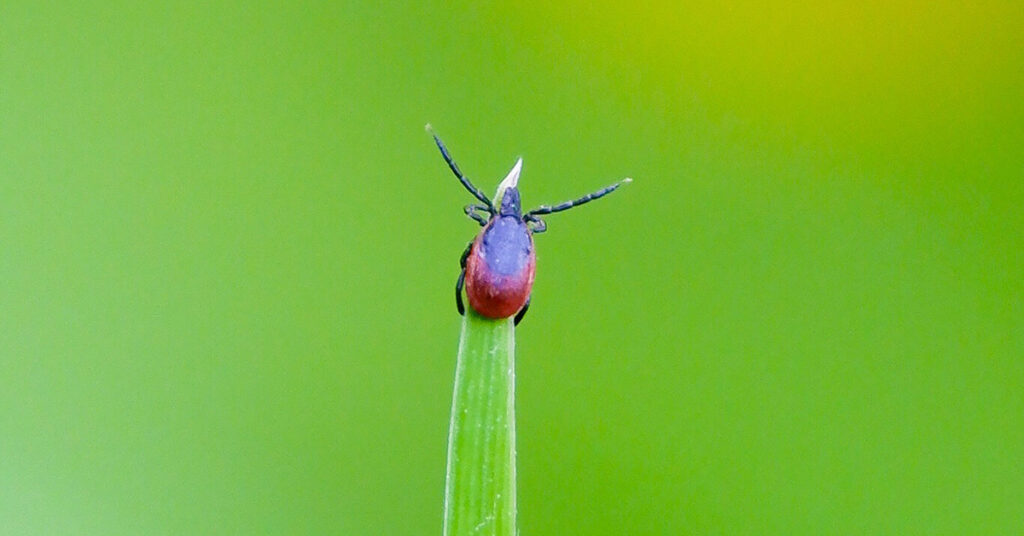
Ticks are a common nuisance for people spending time outdoors, as their bites can be irritating and uncomfortable. In addition to causing discomfort, they can transmit tick-borne diseases such as Lyme borreliosis or cause a red meat allergy (Link). Ticks also pose a risk to companion animals and livestock, affecting their health and well-being.
To get a better understanding of tick prevalence and abundance over the year, surveillance of ticks has been implemented in Luxembourg as part of the EU co-funded OH4Surveillance project (2024–2026). National surveillance was designed to assess tick density and activity in different areas of the country that are frequently visited by the public.
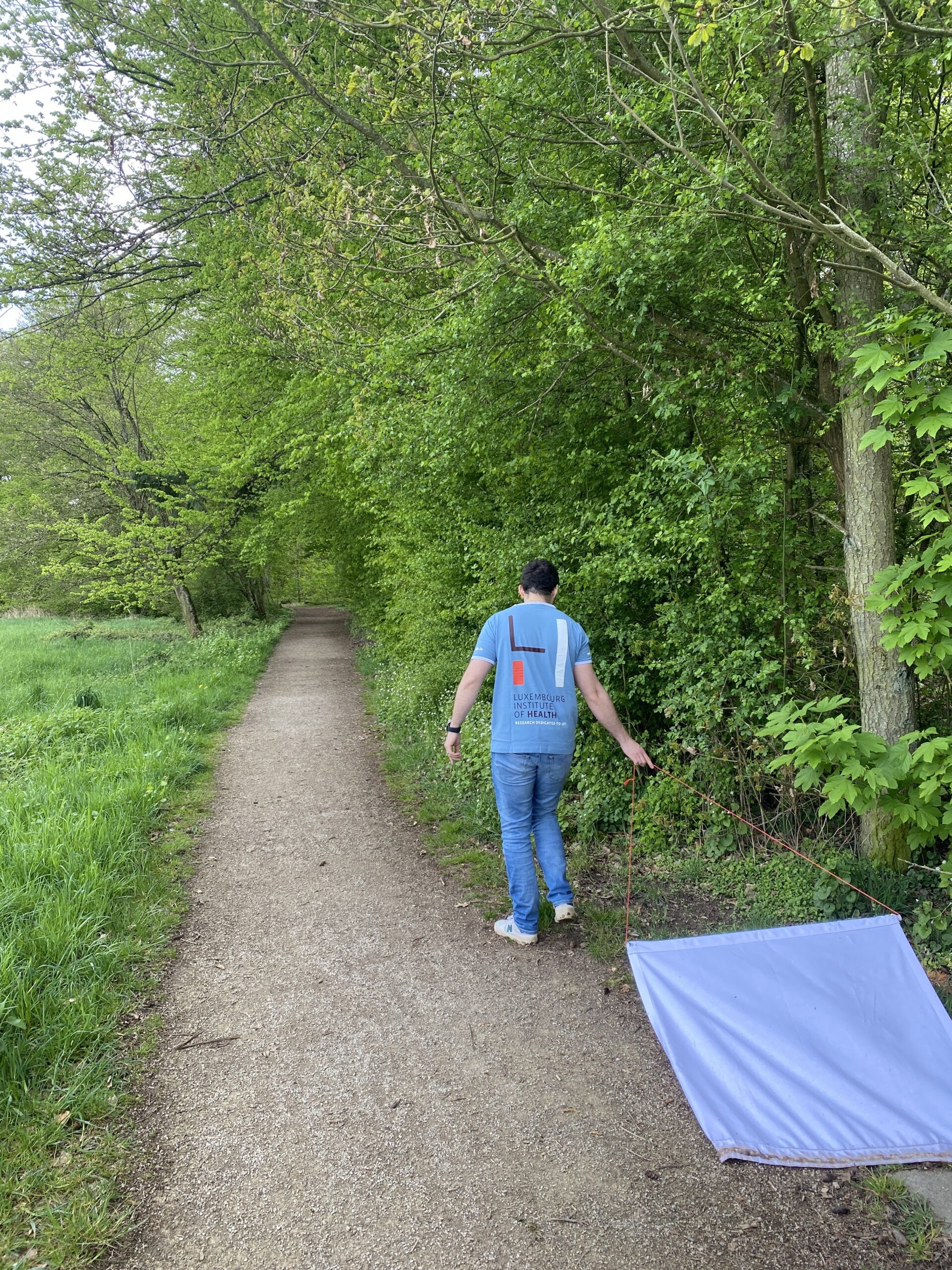
From April to November 2025, the Clinical and Applied Virology team at LIH collected about 4,500 ticks from 41 rural, suburban, and urban areas across Luxembourg with the cloth-dragging method. The most common tick species, constituting 99% of the samples, was Ixodes ricinus, the vector of Lyme borreliosis and other diseases. The highest numbers of ticks were observed in April and May, although tick activity continued into November. The most infested areas were either rural or suburban, while only a few or no ticks were collected in urban environments (city parks). In most locations, tick distribution was heterogeneous, with the highest numbers found near bushes and forest edges.
Approximately 17% of the ticks were infected with Borrelia burgdorferi s.l., which includes the causative agents of Lyme disease, and we are currently characterizing these samples to the genospecies level to assess the prevalence of pathogenic Borrelia.
Disclaimer
This activity is supported by co-funding from the European Union’s EU4Health programme under Grant Agreement Nr 101132473 OH4Surveillance.
Views and opinions expressed do not necessarily reflect those of the European Union or HaDEA. Neither the European Union nor the granting authority can be held responsible for them.
Contact
Related News