News
Landmark Lancet study advances non-invasive diagnosis of liver disease
LIH’s Integrated Biobank of Luxembourg (IBBL) supports major European LITMUS study
An international study published in the prestigious medical journal The Lancet has identified promising non-invasive tests for diagnosing and assessing the severity of metabolic dysfunction-associated steatotic liver disease (MASLD). Conducted within the EU-funded LITMUS consortium, the research involved over 1,500 patients across Europe and the United States. The Luxembourg Institute of Health (LIH), through its Integrated BioBank of Luxembourg (IBBL), contributed to this major international effort by serving as the consortium’s central biobank.
Metabolic dysfunction-associated steatotic liver disease (MASLD), previously known as non-alcoholic fatty liver disease, affects approximately one in three adults worldwide. Closely associated with obesity and type 2 diabetes, the condition can progress to a more severe inflammatory form, known as metabolic dysfunction-associated steatohepatitis (MASH), potentially leading to liver fibrosis, cirrhosis and liver cancer. Accurate diagnosis and assessment of disease severity are essential for identifying patients requiring treatment. However, liver biopsy, currently considered the reference standard for diagnosing MASH and assessing fibrosis, is invasive and associated with potential complications. Developing reliable, non-invasive alternatives therefore represents a major priority.
Published in The Lancet, the study represents one of the most comprehensive prospective evaluations of non-invasive liver disease biomarkers conducted to date. Researchers analysed data from 1,590 patients recruited across 13 countries, comparing the diagnostic performance of 30 individual biomarkers and multimarker panels against liver biopsy results.
The findings showed that several non-invasive tests, particularly those combining multiple biomarkers, can accurately identify advanced liver fibrosis and cirrhosis. Certain blood-based tests also demonstrated promising performance in identifying patients with at-risk MASH.
The researchers additionally identified sequential testing strategies combining widely available blood tests with more specialised assessments. These approaches could help reduce unnecessary liver biopsies, improve the identification of patients requiring specialist care and facilitate recruitment into clinical trials. Although further validation is needed before widespread clinical implementation, the findings provide important evidence to support the development of more accessible and patient-friendly diagnostic pathways.
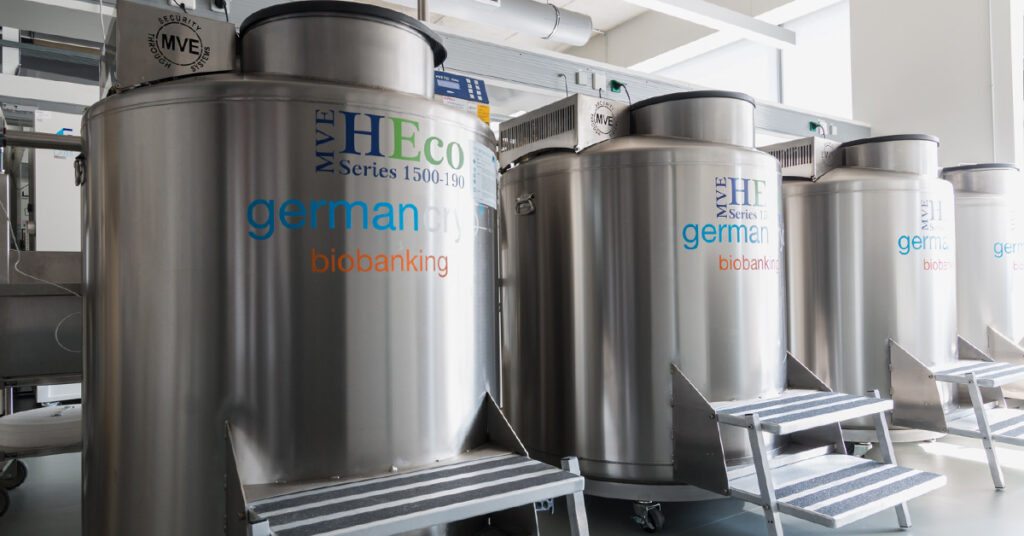
As the central biobank of the LITMUS consortium, LIH’s Integrated Biobank of Luxembourg (IBBL) played an important role in supporting this large-scale international collaboration. Biological samples collected from participating clinical centres were centrally stored at IBBL and subsequently distributed to research partners for downstream analysis, ensuring their quality, traceability and availability. This centralised biobanking infrastructure helped ensure consistency across samples originating from different countries and clinical sites, contributing to the reliability of the research. Beyond its core biobanking activities, IBBL’s pathology team contributed directly to the research by preparing and staining tissue slides, which were then assessed centrally by the consortium’s pathologists using the CaloPix digital pathology software. These activities were coordinated by LIH’s Clinical Project Management Office (CPMO), whose members also contributed to the strategic governance of the consortium through their participation in the LITMUS Steering Committee.
In addition to the findings published in The Lancet, the consortium published a complementary study in Nature Medicine in August 2026, evaluating the performance of advanced imaging techniques and blood-based biomarkers for the non-invasive assessment of liver disease, with particularly promising results for the detection of advanced fibrosis and cirrhosis.
These results represent an important step towards more precise, less invasive approaches to liver disease assessment. Through IBBL’s contribution, LIH reinforces its role as a trusted partner in European biomedical research, providing the specialised biobanking infrastructure and expertise needed to enable large-scale international clinical studies and help translate scientific discoveries into potential improvements in patient care
says Dr Hermann Thien, Director of the Translational Medicine Operations Hub (TMOH) at LIH.
The studies were conducted within LITMUS (Liver Investigation: Testing Marker Utility in Steatohepatitis), a major 34 million Euro public-private consortium supported by the European Union’s Innovative Medicines Initiative 2 Joint Undertaking. Bringing together over 50 academic institutions, clinical centres and industry partners, LITMUS aims to develop and validate reliable biomarkers for liver disease diagnosis and treatment development.
The full publication “Non-invasive tests in metabolic dysfunction-associated steatotic liver disease: the LITMUS prospective multicentre diagnostic accuracy study” can be accessed here.
Scientific Contact
Related News