News
Emerging tick-borne pathogens found in Luxembourg
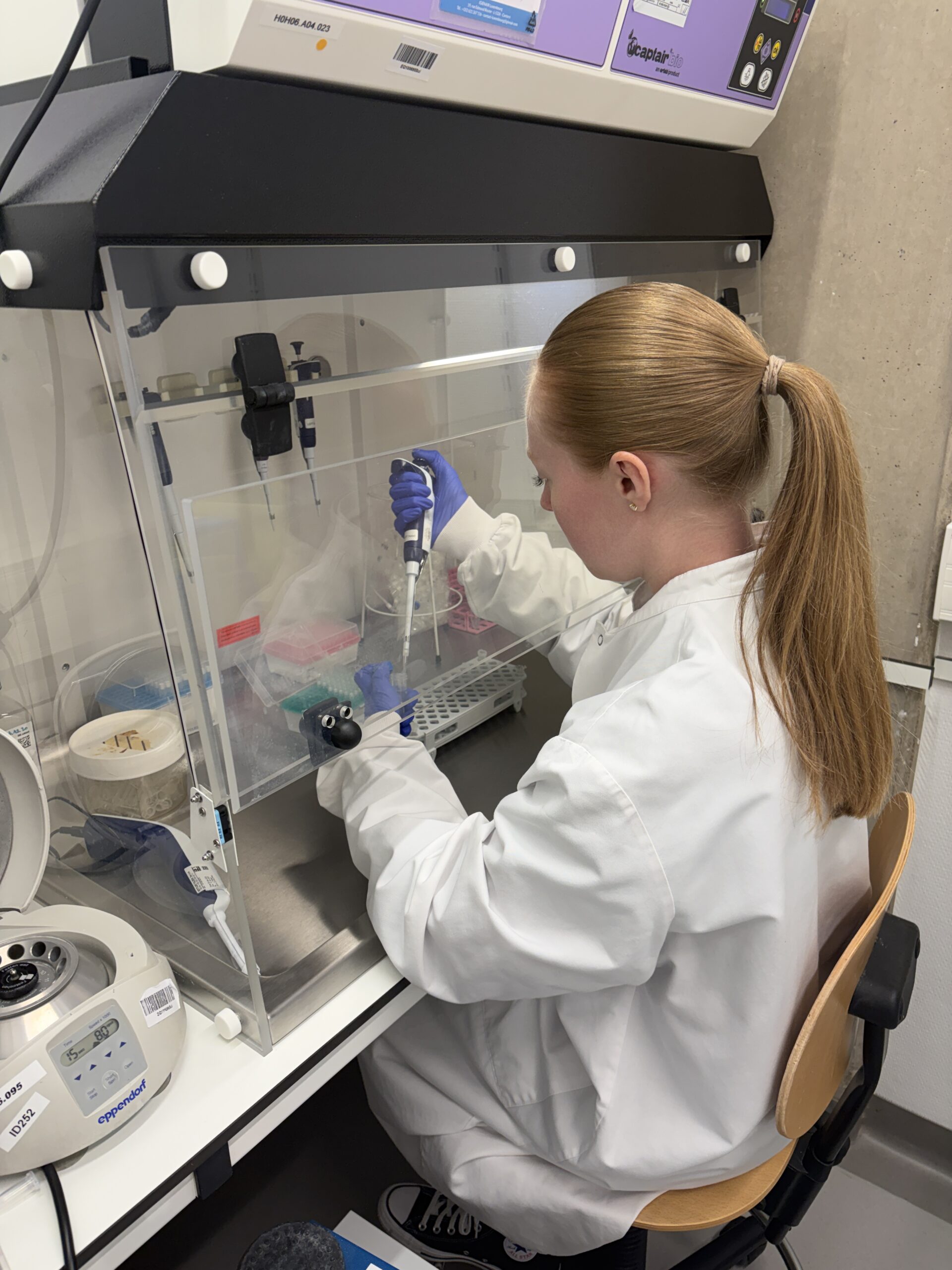
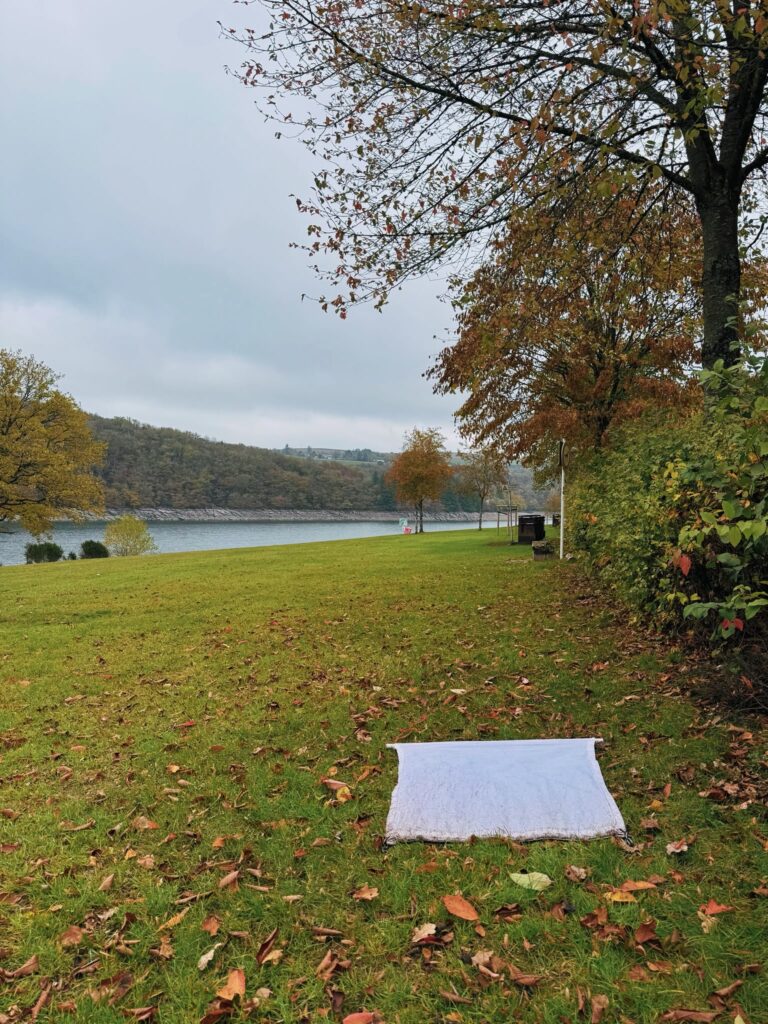
In 2025, a national tick surveillance program was implemented in Luxembourg to improve current understanding of tick density and seasonal activity in environments frequently visited by the public. In addition, the Clinical and Applied Virology team at LIH investigated the presence of various tick-borne pathogens.
Approximately 4,500 ticks, including larvae, nymphs, and adult males and females, were collected and screened for a range of pathogens. Besides Borrelia burgdorferi sensu lato, a complex of bacterial species responsible for Lyme borreliosis, several known and emerging tick-borne pathogens were detected in ticks, including Rickettsia spp. in about 11% of ticks, Neoehrlichia mikurensis, Spiroplasma ixodetis, Babesia spp. and Borrelia miyamotoi in less than 5% and Anaplasma phagocytophilum and Bartonella spp. in less than 1% of the ticks. Overall, 37% of the ticks from Luxembourg carried at least one pathogenic microbe.
The detected pathogens are associated with a range of infections in humans or animals. In humans, they often cause non-specific symptoms during the early stages of disease, including fever, fatigue, headache, and muscle pain. In some cases, infections can lead to more severe complications if left untreated.
Francisella tularensis, Coxiella burnetii and tick-borne encephalitis virus were not detected in any of the analyzed ticks.
Investigations are ongoing to further characterize some groups of microorganisms and to screen for additional pathogens. The results will provide comprehensive information on the diversity of tick-borne pathogens in Luxembourg and help elucidate the health risks associated with tick bites.
Disclaimer
Parts of this activity were supported by co-funding from the European Union’s EU4Health programme under Grant Agreement Nr 101132473 OH4Surveillance.
Views and opinions expressed do not necessarily reflect those of the European Union or HaDEA. Neither the European Union nor the granting authority can be held responsible for them.
Scientific Contact
Related News