News
LIH PhD researcher Soham Das awarded prestigious FNR AFR grant
Competitive doctoral funding will support research into how gut bacteria influence intestinal health and disease
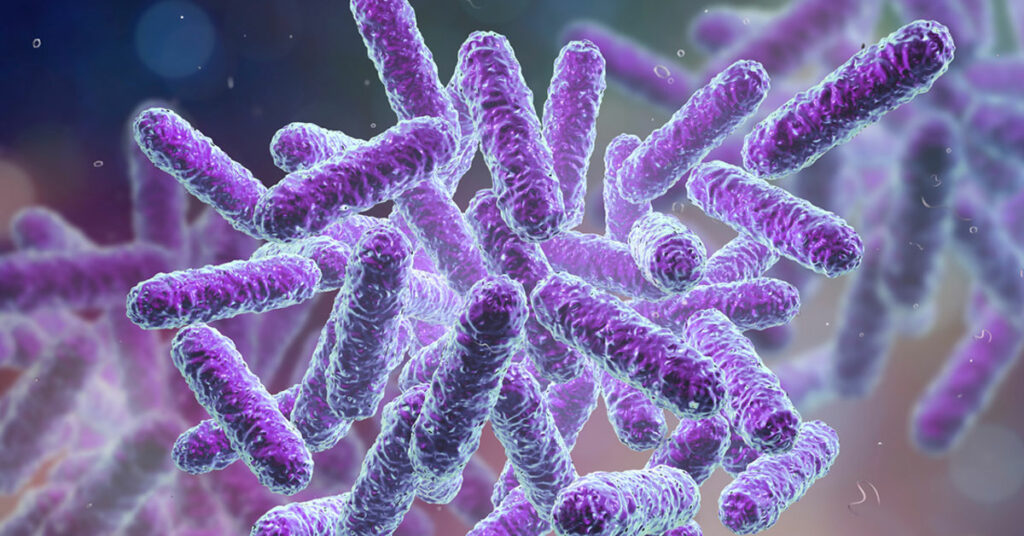
Soham Das, doctoral candidate in the Nutrition, Microbiome & Immunity group of the LIH Department of Infection and Immunity (DII), has successfully secured an individual doctoral research grant through the Luxembourg National Research Fund (FNR) AFR programme. This competitive funding recognises the scientific quality and potential of his research project, which aims to better understand how specific strains of gut bacteria interact with the intestinal mucus barrier and contribute to intestinal health and disease.
Soham Das is among just 22 doctoral researchers whose projects were selected for funding under the FNR’s 2026 AFR call. His successful application represents a significant personal achievement and recognises the scientific merit and potential of his proposed research, entitled TORQUES.
His project, “Strain-level mechanisms of mucus interaction by the gut bacterium Ruminococcus torques and their impact on intestinal barrier function” (TORQUES), focuses on the complex relationship between intestinal bacteria and the protective mucus layer lining the gut. This barrier plays an essential role in maintaining intestinal health by separating the body’s tissues from the trillions of microorganisms inhabiting the digestive tract. When disrupted, it can contribute to the development of chronic conditions, including inflammatory bowel disease and colorectal cancer.
At the centre of Soham’s research is Ruminococcus torques, a gut bacterium known for its ability to degrade mucus components. Although increased levels of this bacterium have been observed in certain intestinal diseases and in response to diets low in fibre, its precise role in gut health remains unclear. Importantly, different strains of the same bacterial species may behave very differently, potentially influencing the intestinal barrier and immune responses in distinct ways.
To investigate these differences, Soham will combine advanced genomic analyses with laboratory experiments using intestinal cell models and preclinical models of inflammation. By comparing different strains of R. torques, he aims to identify the microbial characteristics responsible for mucus degradation, changes in intestinal barrier integrity and inflammatory responses.
Ultimately, the project will contribute to a more precise understanding of how individual bacterial strains influence intestinal health, paving the way for improved microbiome-based approaches to disease risk assessment, nutrition and targeted interventions.
Soham perfectly fits in our team with his prior experience in microbiology and his research project is fully aligned with the translational research goals of the LIH
says Dr Mahesh S. Desai, leader of the Nutrition, Microbiome & Immunity group, and Soham’s PhD supervisor.
Through this AFR-funded project, the FNR continues to support the development of emerging scientific talent at LIH, enabling the advancement of research into the mechanisms linking the gut microbiome to human health and disease.
Scientific Contact
Related News