
News
Annual report 2025: message from the directors
Bitte beachten Sie, dass der Inhalt nur auf Englisch verfügbar ist.
Message from the President
Dear friends, dear collaborators, dear readers,
The year 2025 marked my first year serving as President of the Board of the Luxembourg Institute of Health, taking the reins of an established and renowned player both in the national and European biomedical scene. As a medical doctor and Associate Medical Director at the Hôpitaux Robert Schuman, I have a profound appreciation for the transformative potential of biomedical research and its capacity to concretely improve patient care.
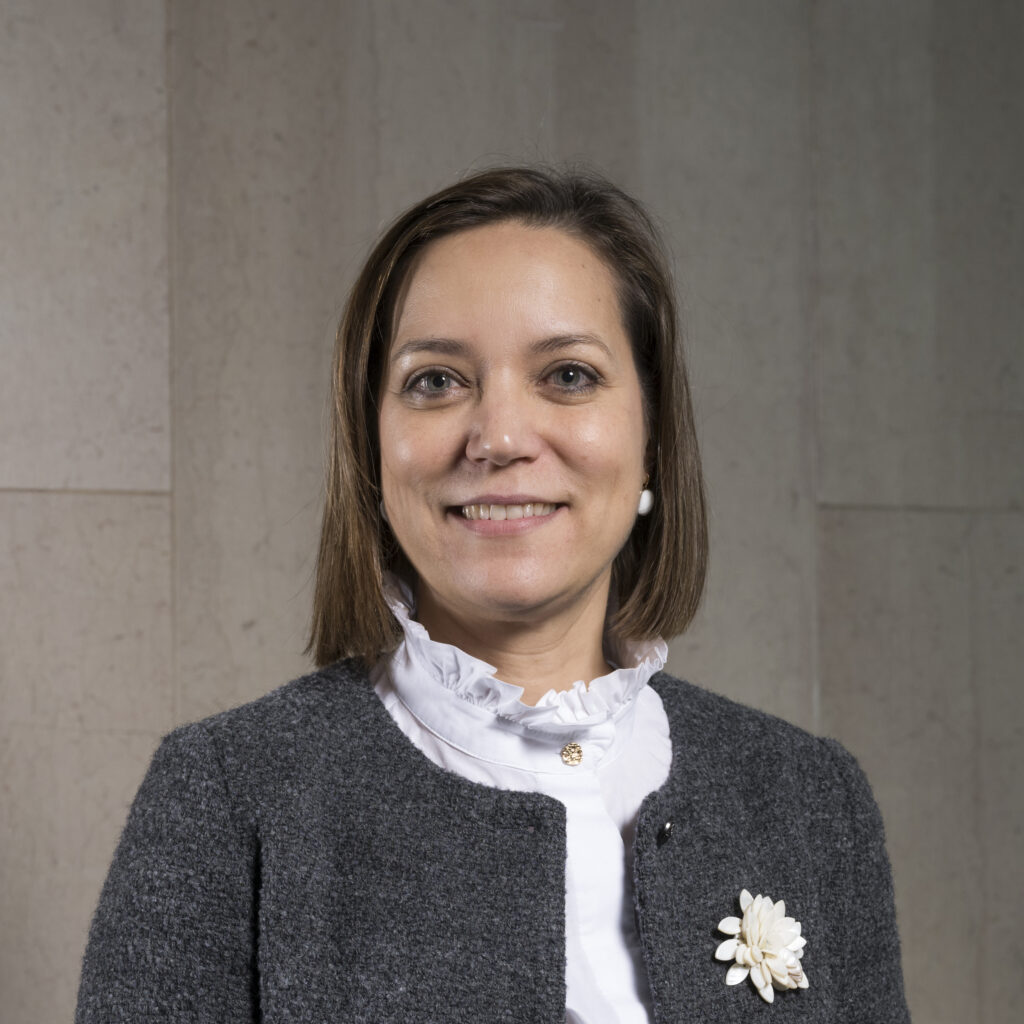
During this inaugural year, I have been impressed and inspired by the dedication, curiosity and excellence of the researchers at the LIH, which resulted in the high-quality publications and remarkable achievements depicted in this report. I am honoured to have witnessed the latest developments of the Clinnova digital health flagship programme, a powerful driver of transformation laying the foundations for a more connected and forward-looking healthcare ecosystem. Indeed, through the recent implementation of a shared IT infrastructure and harmonised standard operating procedures between partner hospitals and research institutes, Clinnova is enabling a new level of coherence and quality in data collection. The successful proof-of-concept of a data integration centre in collaboration with the Hôpitaux Robert Schuman marks another important milestone: for the first time, clinical and research data are being securely connected within a real-world hospital environment. I am evidently particularly proud of this collaboration between the two institutions I am privileged to be affiliated with, a partnership which perfectly embodies the way that clinical practice and research should be intertwined.
Another particularly important milestone in 2025 has been the development of the Luxembourg Research Clinic, which brings together research institutes and national hospitals to further strengthen the bond between researchers and clinicians. As a physician myself, I am deeply convinced of the double value of such collaborative initiatives: by facilitating access to existing services and infrastructure, the LRC will make it significantly easier for clinicians to engage in clinical research and connect directly with local researchers in their field. This in turn creates a unique environment where clinical insight and scientific expertise inform one another in real time, accelerating the translation of discoveries into improved diagnosis, treatment, and patient outcomes.
As a geriatrician, I am also especially delighted to witness the innovative and forward-looking work of a dedicated research group on addressing inequalities in cancer diagnosis and treatment in older adults, who are often overlooked in cancer decision-making.
To conclude, I would like to express my gratitude to Dr Gregor Baertz, former President of the Board of Directors, to Prof. Nehrbass and to the entire management for their enlightened leadership, relentless commitment to the success of the institute and for fostering a shared vision that continues to inspire teams across the LIH. It is precisely this passion for knowledge and the motivation of its staff which have led the LIH to where it is today, and which I am confident will take it even further in the years to come.
It is now my mission to build on this legacy and continue establishing meaningful collaborations, driving research that not only expands scientific knowledge but also translates into tangible clinical outcomes for the people of Luxembourg and beyond. I am truly eager to witness the many opportunities that lie ahead of us.
I wish you an insightful and inspiring read.
President of the Board of Directors
Message from the CEO
Dear colleagues, dear partners, dear readers,
The 2025 Annual Report captures the fourth and final year of our Performance Contract with the Ministry of Research. Across all key metrics — publication output, scientific quality, funding secured, and patient enrolment in clinical trials — we have not only met but exceeded the ambitious targets set for this four-year period. This success is a collective achievement, and I sincerely thank all who have contributed.

The extraordinary productivity has extended across all LIH departments and operational platforms. At the Department of Infection and Immunity, key studies advanced oral immunotherapy for allergies, immune-cell movement, the role of brain immune cells in Parkinson’s disease and the influence of nutrition on immune homeostasis, opening new avenues for precision health and prevention. The Department of Cancer Research identified an immunotherapy target for leukaemia, contributed to major insights into cancer immunosurveillance evasion and played a key role in the clinical development of a novel drug for adrenocortical cancer that received Orphan Drug Designation from the U.S. Food & Drug Administration (FDA). These achievements show how LIH’s mechanistic research can directly benefit patients. In preventive medicine and population health, the Department of Precision Health has effectively managed to combine exposome research, nutrition studies, disease-specific miRNA signatures, electronic patient-reported outcomes and vocal and movement-based digital biomarkers. This has led to vocal biomarkers for COVID-19 fatigue in Long COVID and a high-impact AI-based pilot study on hypoglycemic events. It also allows the department to drive large international consortia studying the impact of nutrition or microRNAs on health. In parallel, LIH recorded a fourfold increase in EU funding over the last four years, with several strategic EU projects anchored at the institute. This reflects the concerted efforts of the Science Office and LIH’s ability to recruit leading scientists, such as ATTRACT fellow Dr Johannes Meiser, awarded a prestigious ERC grant in 2023 or Dr Ángel Álvarez-Prado, another ATTRACT fellow who secured a second ERC grant in 2025.
To sustain this momentum, we have worked hard over the last four years to embed our researchers into a real-world data context, strengthening mechanistic research and its impact on patients and society. These efforts are built on IBBL and its integration into the Translational Medicine Operations Hub, which supports clinical trials and provides samples and data to researchers and clinicians. A key milestone in this direction was the 2025 establishment of the Luxembourg Research Clinic (LRC) bringing together the four national hospitals, LIH and the University of Luxembourg within a shared clinical research platform. It bridges research and clinical practice and will allow us to expand beyond the ongoing clinical studies by enabling our clinical partners from the care side. Here I would like to highlight our two flagship programmes: The NCER-PD programme celebrated its 10th anniversary and now includes over 2,000 patients and controls, as well as people at risk of developing Parkinson’s Disease or other neurodegenerative disorders. Our flagship Clinnova study, focused on immune-related diseases, reached critical milestones in infrastructure, data management and patient enrolment. As a hallmark decision in 2025, its funding was extended by another five years.
While delivering a rich real-world context for our researchers, these initiatives concretely address patient needs, guiding our vision in which impact on patients and scientific excellence are two mutually reinforcing sides of translational research. Following this strategy, we are building a healthier and brighter future for Luxembourg and beyond.
On behalf of the LIH, I sincerely thank our co-workers, stakeholders, the Ministry of Research and the FNR.
Chief Executive Officer
Discover the 2025 annual report
ANNUAL REPORT 2025