🇬🇧 Revealing secrets hiding in plain sight about the ever-changing brain
- Omics meets physics
Veuillez noter que le contenu n’est disponible qu’en anglais.
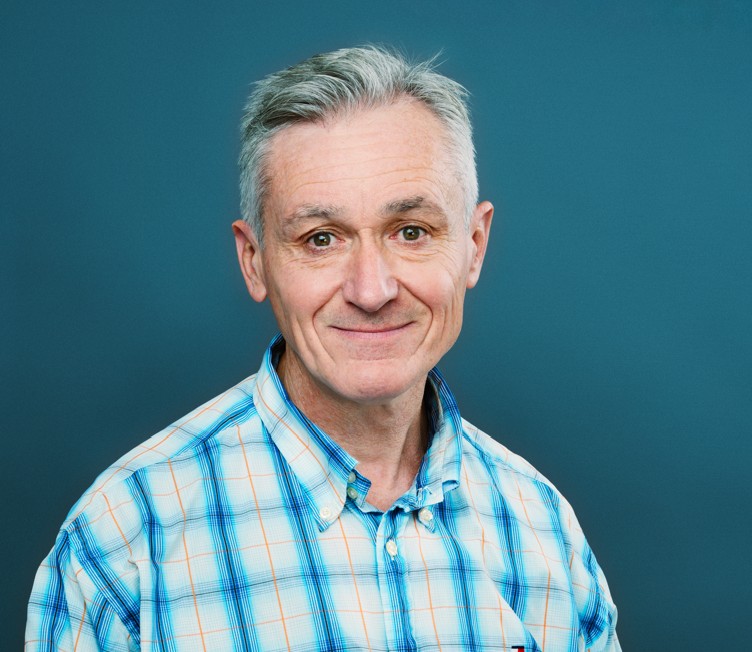
Speakers
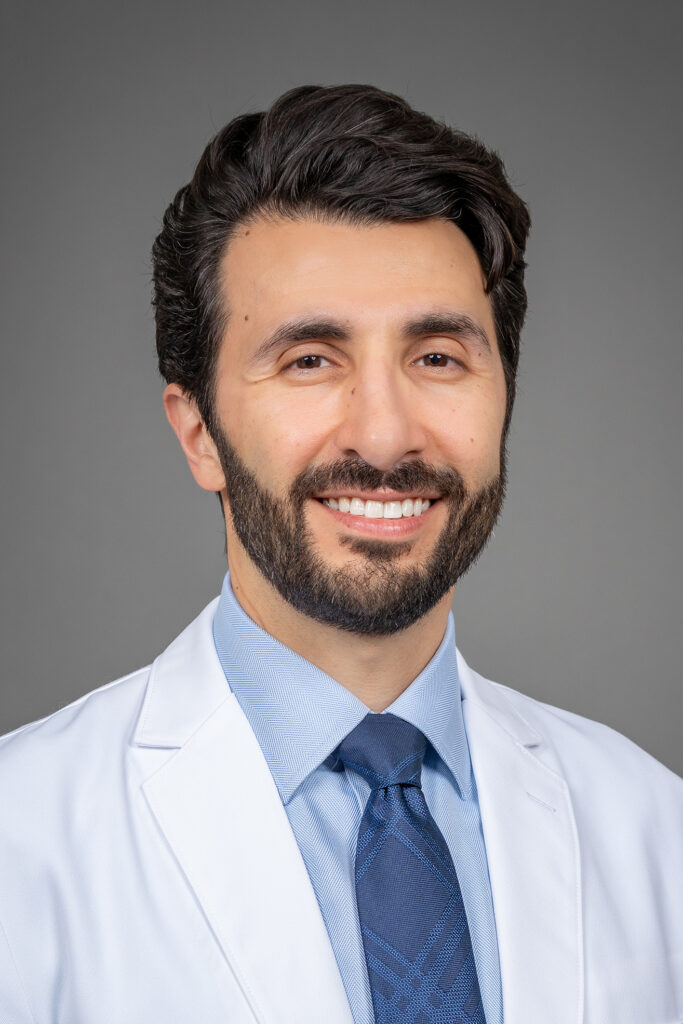
Professor of Neurosciences and Neurology
Abstract
A grand challenge of modern biology is to understand mechanisms of molecular, cellular and tissue scale physiology across a daunting range of spatial and temporal scales – and how the brain restructures and reforms its structure across scales. Current imaging methods leave significant gaps in our knowledge, limiting our ability to connect information across scales. How multiple methods are now being combined to fill and help bridge critical gaps will be shared; including where recent advances to multi-tilt electron tomography (mtEMT) and development of new probes for correlated light (LM), x-ray microCT (XRM), correlated multi-ion mass spectroscopy imaging (MIMS) and EM (MIMS-EM) and state-of-the-art 3D EM technologies add to our knowledge about structure and function in complex biological systems. Examples of questions being addressed in ongoing research projects will be described to illustrate how development and application of new contrasting methods, imaging tools and data analysis strategies are allowing the observation of otherwise complex or hidden relationships between cellular, subcellular and molecular constituents of cells. For example, how advances in methods
apply to ongoing studies on the intact normal brain and to analyze brain cells and synapses during learning (or when cells and tissues respond to stressors inducing degenerative brain disorders like Alzheimer’s disease) will be shown.
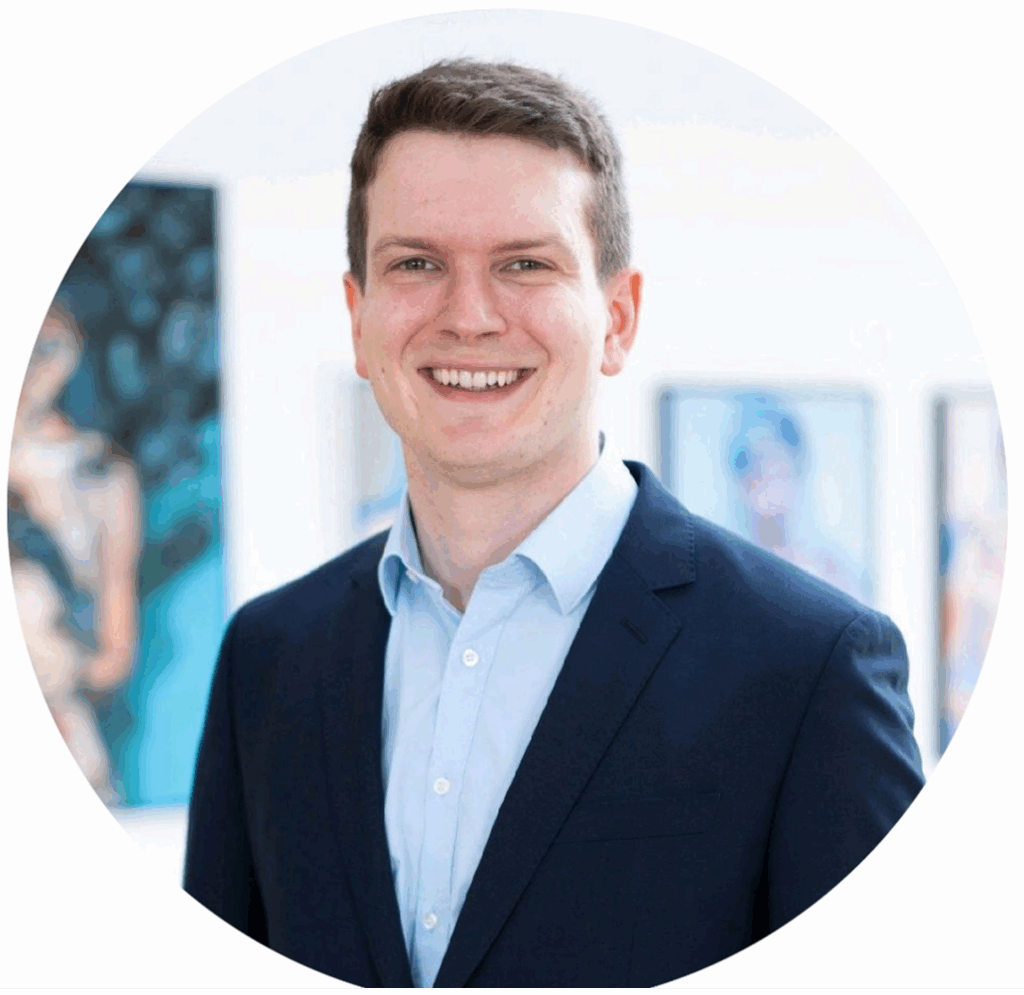
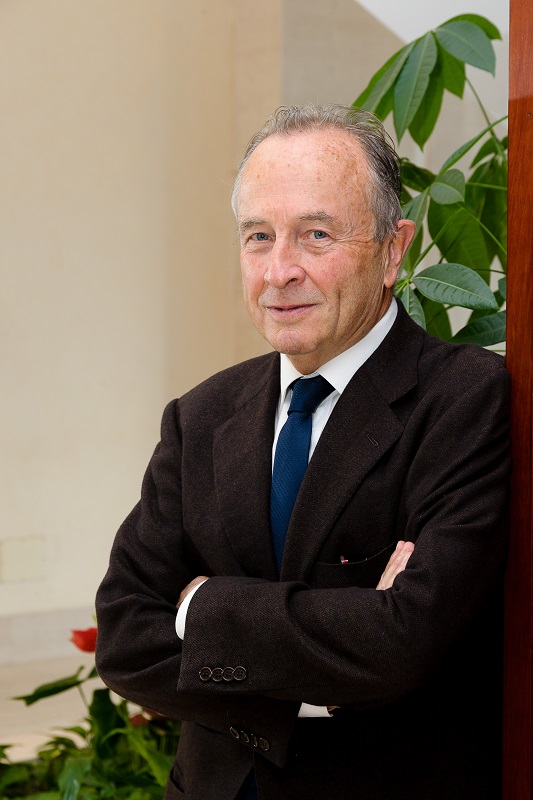
Responsible Scientist
Alexander Skupin
Gunnar Dittmar

LOCATION
LECTURE: 11:00 – 12:00
House of BioHealth
Big conference room at the ground floor
29 rue Henri Koch,
L-4354 Esch- sur- Alzette, Luxembourg
MEET & EAT
12:30 – 13:30
House of BioHealth
FBS room 2nd floor
Please note that registration is mandatory for meeting after presentation by sending an email to michelle.roderes@lih.lu
Supported by:

Supported by the Luxembourg National Research Fund
RESCOM Lecture series (19468465)
Protection des données
En savoir plus sur la « Notice sur la protection des données : traitement des données personnelles dans le cadre de la gestion des événements ».