Blood Immune Profilesas Prognostic andPredictive Biomarkersin Glioma: Pseudoprogression,Immunotherapy Response,and Clinical Translation
- Epidemiology & Prevention
Veuillez noter que le contenu n’est disponible qu’en anglais.
Speakers
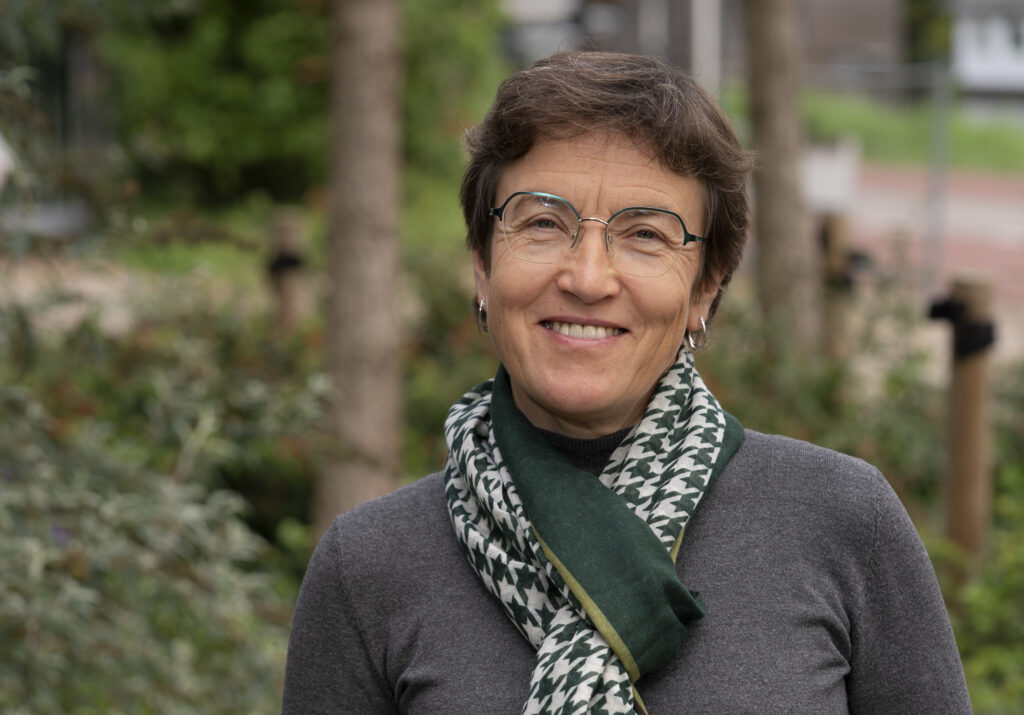
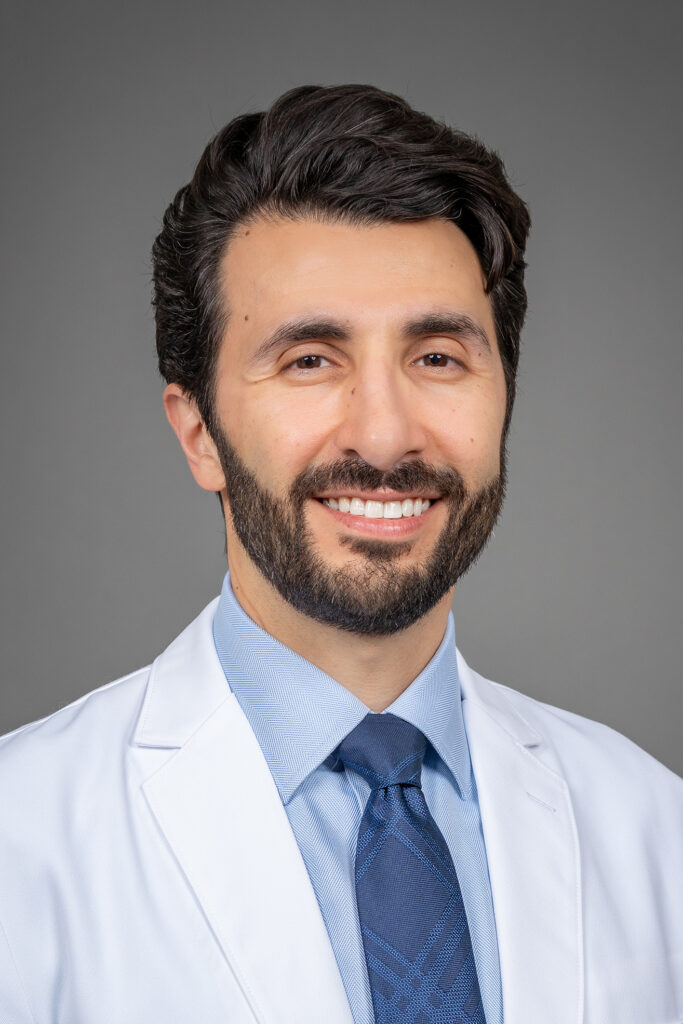
Professor, Neurological Surgery & Epidemiology and Biostatistics, University of California, San Francisco, California, United States
Abstract
Glioblastoma (GBM) remains the most lethal primary brain tumor. Two of the most consequential and unresolved challenges in its clinical management are distinguishing pseudoprogression from true tumor regrowth after chemoradiation, and identifying which patients are likely to benefit from immunotherapy. Both questions are currently answered late—if at all—through imaging, re-biopsy, or tissue-based molecular assays. This lecture presents emerging evidence from the UCSF Immunomethylomics in Primary brain tumor Subjects (IPS) study that peripheral blood immune profiling—derived non-invasively from DNA methylation of peripheral blood cells—can address both challenges. Using a deconvolution approach that quantifies 12 immune cell populations from a single blood draw, we show that a patient’s pre-treatment immune state predicts not only the type of radiographic event they will experience (pseudoprogression vs. true progression), but also their likelihood of benefiting from anti-PD-L1 immunotherapy. In the pseudoprogression setting, the blood immune signature captures an adaptive/cytotoxic immune axis that differentiates patients who will pseudoprogress from those who will experience early true progression—a determination that is otherwise unavailable without tissue. In the immunotherapy setting, blood-based immune ratios stratify patients into groups with markedly different survival outcomes under atezolizumab, and appear specific to the immunotherapy context rather than merely prognostic. Importantly, this non-invasive blood predictor performs comparably or better than published tumor tissue-based biomarkers, using variables obtainable before surgery. Together, these findings support peripheral blood immune profiling as a practical, clinically actionable platform for precision neuro-oncology—one that could inform treatment decisions at the time of diagnosis and at first radiographic change, without requiring repeat biopsy. Blood Immune Profiles as Prognostic and Predictive Biomarkers in Glioma: Pseudoprogression, Immunotherapy Response, and Clinical Translation.
Host
Responsible Scientist
Senior Scientist
Neuro-Immunology Group
Department of Cancer Research
LOCATION
Lecture:
Room: Marie S. Curie & Louis Pasteur
1 A-B rue Thomas Edison
1445, Strassen
LECTURE: 11:00am – 12:00pm
Webinar via Webex:
Event number: 2791 414 1777
Event password: chSWQFJe246
MEET & EAT
12:00pm – 13:30pm
Please note that in-person attendance is subject to limited availability and requires
prior registration. To secure your spot, kindly send an email to epican@lih.lu
📷 Participants are hereby informed that photographs and/or videos will be taken during the event and that they are likely to appear on them. The photographs and/or videos taken during the event are intended to be published on LIH website and social media channels. If you do not wish to be photographed/filmed or having your photo/video published, please alert the photographer and the event organiser(s). Further information about the processing of your personal data by LIH can be found on our website.
DISCOVER THE LECTURE SERIES & UPCOMING EVENTS
Supported by the Luxembourg National Research Fund

Protection des données
En savoir plus sur la « Notice sur la protection des données : traitement des données personnelles dans le cadre de la gestion des événements ».