2025
Annual report
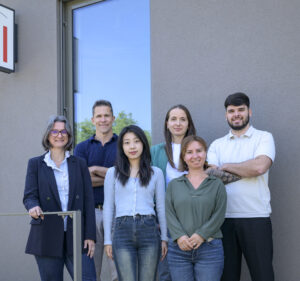
Message from the directors
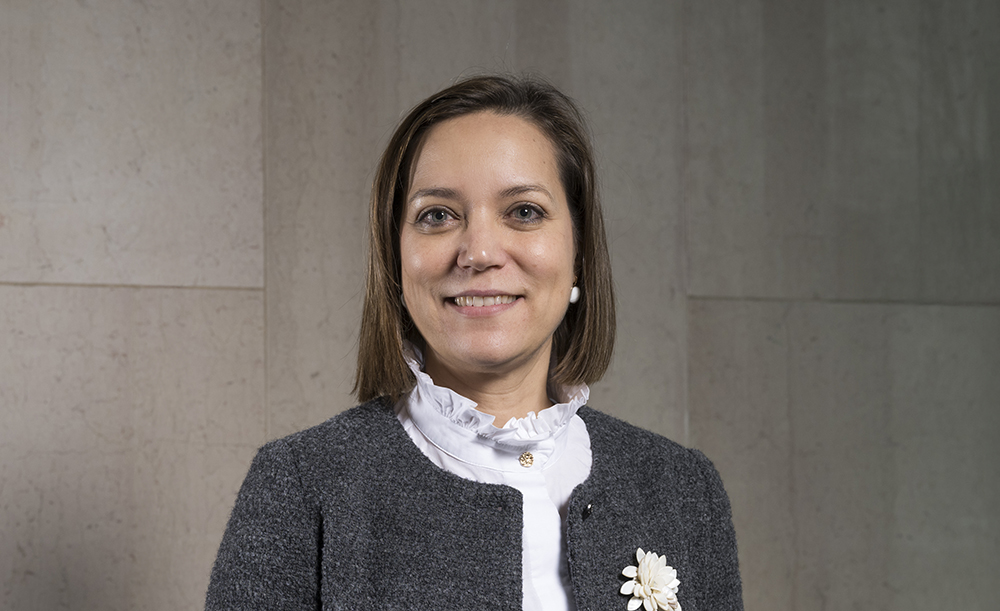
During my first year as President of the Board, I have been impressed by the dedication, curiosity and excellence of LIH researchers, reflected in the remarkable achievements presented in this report.
Ana Sanchez-Guevara,
President of the Board of Directors
I am pleased to report that we exceeded our ambitious 2022-2025 targets across all key metrics. My sincere thanks to everyone who contributed to this collective achievement.
Prof Ulf Nehrbass,
Chief Executive Officer
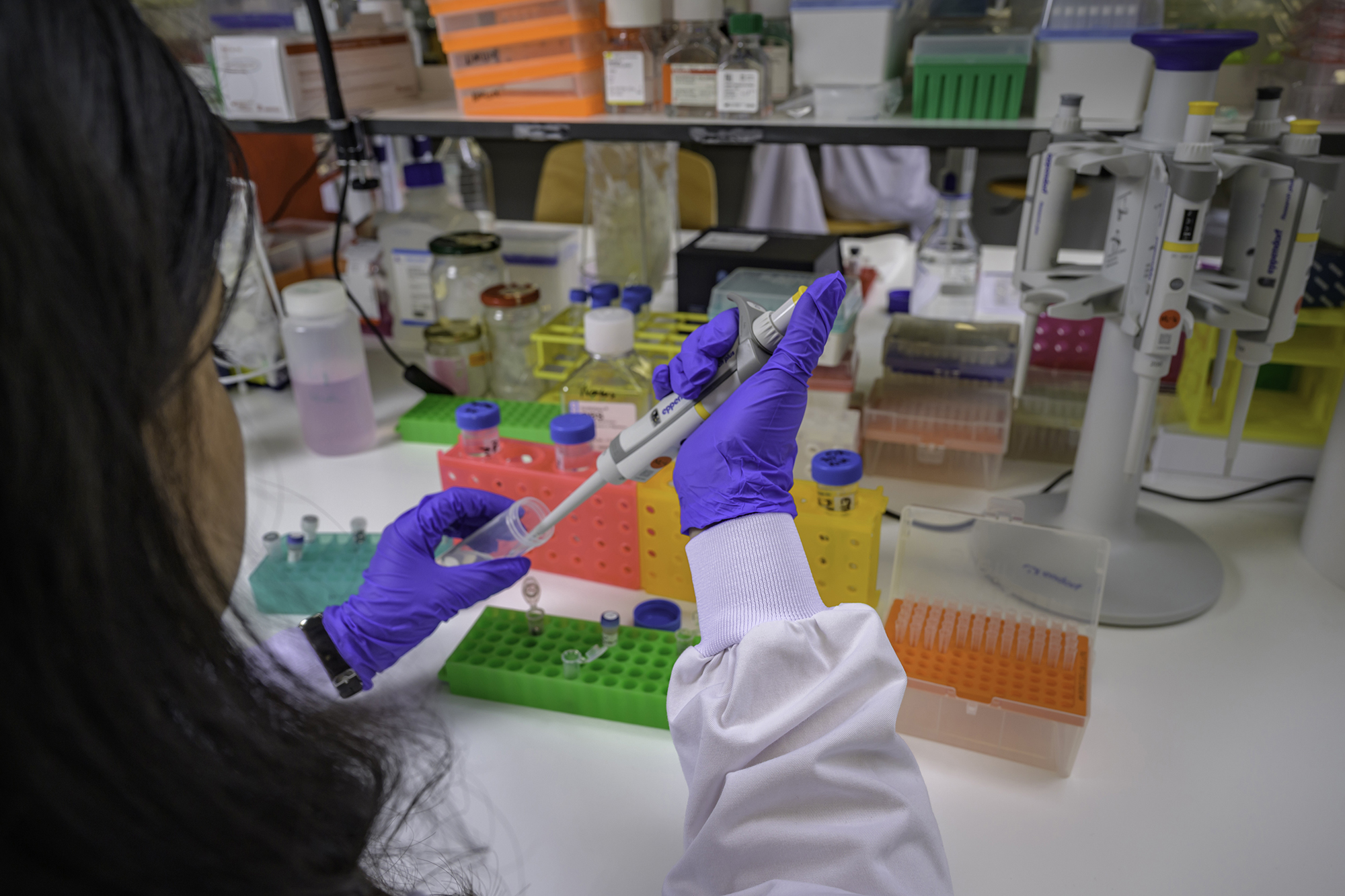
FIGHTING CANCER
Topics
New publication sheds light on how cancer cells avoid the immune system
In August 2025, researchers from the Department of Cancer Research published a study in the journal Proceedings of the National Academy of Sciences (PNAS) that uncovers a novel mechanism can… Read more
In August 2025, researchers from the Department of Cancer Research published a study in the journal Proceedings of the National Academy of Sciences (PNAS) that uncovers a novel mechanism cancer cells use to escape detection by the immune system.
The team, from the Cytoskeleton and Cancer Progression group led by Clement Thomas, found that tumour cells can rapidly reposition inhibitory molecules to the interface where they contact Natural Killer (NK) cells, effectively dampening the immune attack. This reorganisation is driven by actin filaments within the cancer cell, allowing these inhibitory signals to accumulate precisely at the immunological synapse just minutes after contact. Blocking this actin‑mediated transport restored NK cell activity in preclinical models, enabling immune cells to kill cancer cells more effectively.
This discovery sheds light on the dynamic strategies tumours use to avoid immune destruction and highlights potential targets for therapies aimed at enhancing immune‑mediated cancer clearance.
LIH identifies a promising immunotherapy target for incurable leukaemia
Researchers from the Tumor Stroma Interactions group at the LIH, working with the German Cancer Research Center, identified a potential new target for immunotherapy in Chronic Lymphocytic Leukaemia… Read more
Researchers from the Tumor Stroma Interactions group at the LIH, working with the German Cancer Research Center, identified a potential new target for immunotherapy in Chronic Lymphocytic Leukaemia (CLL), the most common adult blood cancer in Europe, which remains incurable despite treatment advances.
Their study, published in August 2025 in Nature Communications, shows that the protein galectin‑9 suppresses the function of T cells, which are crucial for the body’s immune response to cancer. Galectin‑9 is released in large quantities by leukaemic cells and interacts with the TIM‑3 receptor on T cells, acting as a brake on immune activity.
In preclinical models, blocking galectin‑9 revived exhausted T cells and slowed tumour growth, suggesting a novel therapeutic approach. Because galectin‑9 is also overexpressed in other tumour types, this strategy could have broad applications. The research also highlights additional molecular targets for future investigation.
LIH contributes to research supporting the development of innovative cancer therapy
Researchers from the Tumor Immunotherapy and Microenvironment (TIME) group at the LIH are collaborating with Cytovation ASA, a Norwegian biotech company developing CY-101, an innovative cancer immu… Read more
Researchers from the Tumor Immunotherapy and Microenvironment (TIME) group at the LIH are collaborating with Cytovation ASA, a Norwegian biotech company developing CY-101, an innovative cancer immunotherapy. Within this collaboration, the TIME group contributes to research efforts supporting the understanding of CY-101’s biological activity. The collaboration takes place within the Eurostars project, co-funded by the European Partnership on Innovative SMEs (Eurostars) program and the Luxembourg National Research Fund (FNR).
CY-101 has shown promising results in preclinical studies as well as in a Phase 1/2a clinical trial conducted by Cytovation and its clinical partners in patients with advanced solid tumors, including adrenocortical carcinoma (ACC). Based on these findings, Cytovation obtained Orphan Drug Designation (ODD) from the U.S. Food and Drug Administration (FDA) for CY-101 for the treatment of ACC, a rare and aggressive endocrine cancer with limited therapeutic options and has secured a clinical research collaboration with Cancer Research UK, one of the world’s leading funders of cancer research.
“The FDA Orphan Drug Designation and the collaboration with Cancer Research UK represent important milestones in the development of this unique therapeutic approach for patients with limited treatment options. We are pleased to continue collaborating with Cytovation and to contribute to research efforts aimed at improving the understanding of CY-101’s mechanism of action and supporting its ongoing development”
Dr Bassam Janji, Leader of the TIME group at the Department of Cancer Research
Dr Ángel Álvarez Prado secures prestigious eu grant to advance brain cancer research
In September 2025, the LIH secured a prestigious European Research Council (ERC) Starting Grant to fund a new five year research initiative called IMMUNAGENOMICS. This project, led by Dr Ángel Ál… Read more
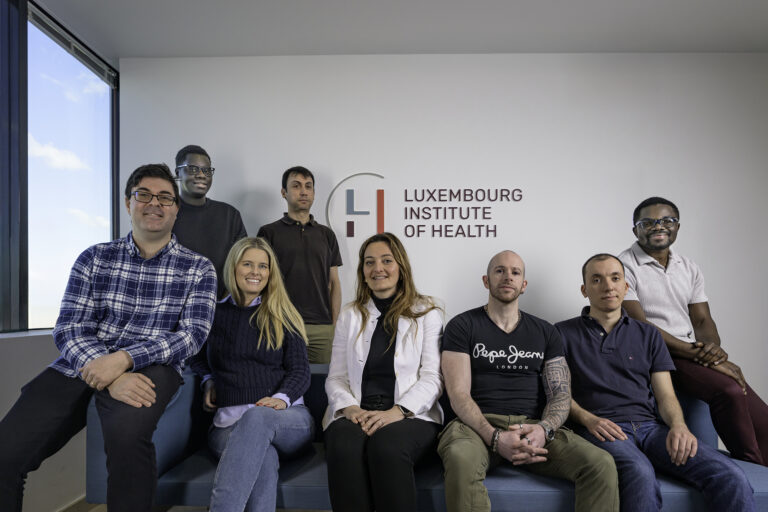
In September 2025, the LIH secured a prestigious European Research Council (ERC) Starting Grant to fund a new five year research initiative called IMMUNAGENOMICS. This project, led by Dr Ángel Álvarez Prado, Principal Investigator at the Translational Cancer Immunogenomics group, will study how ageing and genetic variation shape the immune environment of metastatic brain tumours, with the aim of developing personalized therapies and improving outcomes for patients.
Brain metastases affect up to 40% of cancer patients and are associated with poor prognoses, despite recent advances in treatment. By integrating advanced genomics, immunology and cancer biology techniques such as single cell RNA sequencing and spatial transcriptomics, the team hopes to gain a detailed understanding of tumour immune interactions across different age and genetic backgrounds. The grant highlights the role of the LIH as a European leader in cancer immunology research.
Advancing global understanding of women’s cancer care
In December 2025, The Lancet published the VENUSCANCER study, which provides a global picture of care for women diagnosed with breast, cervical and ovarian cancers.
The research, in… Read more

In December 2025, The Lancet published the VENUSCANCER study, which provides a global picture of care for women diagnosed with breast, cervical and ovarian cancers.
The research, in which the EPICAN group of the LIH led by Dr Claudine Backes participated, analysed high resolution data from over 250,000 women across 39 countries, diagnosed between 2015 and 2018, including also data from the Luxembourg National Cancer Registry. It examined cancer stage at diagnosis, staging procedures, treatments received and biomarkers to understand global variations in care and outcomes.
Findings revealed notable inequalities: women in low and middle income countries are far less likely to be diagnosed early and to receive guideline consistent treatment than those in high income countries, with substantial differences also associated with age and healthcare access. The study underscores the need for tailored clinical guidelines and early detection efforts to reduce disparities worldwide.
Europe launches cancerwatch to strengthen cancer data for policy and care
In September 2025, the European Union officially launched CancerWatch, a new Joint Action designed to transform how cancer data are collected, harmonised and used across Europe, with a kick off eve… Read more
In September 2025, the European Union officially launched CancerWatch, a new Joint Action designed to transform how cancer data are collected, harmonised and used across Europe, with a kick off event held in Oslo, Norway.
CancerWatch brings together 92 partner organisations from 29 countries, including the EPICAN group of the LIH led by Dr Claudine Backes and the National Cancer Registry of Luxembourg, under the coordination of the Norwegian Institute of Public Health. Its purpose is to improve the quality, completeness and timeliness of data from population based cancer registries so that high quality statistics feed the European Cancer Information System, a central resource for monitoring incidence, survival and inequalities under Europe’s Beating Cancer Plan.
This EU Joint Action will support cancer registries with digital innovations, harmonise data standards, develop solutions to legal and GDPR challenges, and prepare for integration into the European Health Data Space. Reliable, up to date cancer intelligence is expected to enhance prevention, early detection, treatment evaluation and policy making throughout the EU.
LIH report confirms value of national mammography programme
In January 2025, the Directorate of Health and the EPICAN Cancer Epidemiology and Prevention Group at the LIH jointly published the first evaluation of Luxembourg’s national organised breast canc… Read more
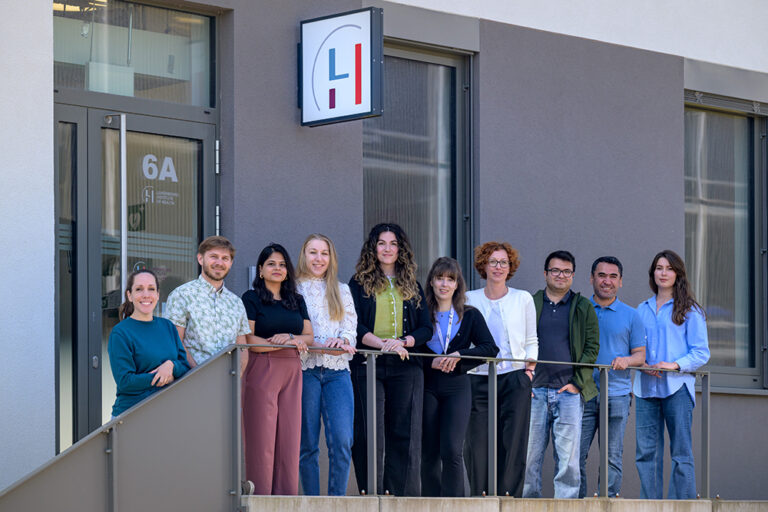
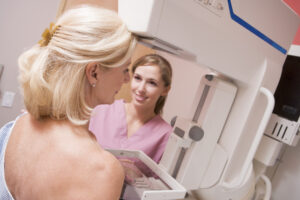
In January 2025, the Directorate of Health and the EPICAN Cancer Epidemiology and Prevention Group at the LIH jointly published the first evaluation of Luxembourg’s national organised breast cancer screening, the Mammography Programme (PM). For the assessment a new method was developed, linking data from the National Cancer Registry with PM records to measure screening effectiveness.
The study shows that cancers detected through the PM are generally identified at earlier stages, are smaller and less likely to have spread to lymph nodes compared with those found outside the programme, underlining the benefit of early detection for treatment outcomes and prognosis. The double reading of mammograms by two independent radiologists improves cancer detection and reduces false positives, cutting additional tests and emotional stress.
LIH neuro-oncology team contributes to landmark studies in nature genetics
In May 2025, the NORLUX Neuro-Oncology team played a key role in an international collaboration that resulted in two publications in Nature Genetics. These studies, conducted by the CARE con… Read more

In May 2025, the NORLUX Neuro-Oncology team played a key role in an international collaboration that resulted in two publications in Nature Genetics. These studies, conducted by the CARE consortium, uncover how glioblastoma tumour cell states co-evolve with their surrounding tumour microenvironment, giving rise to heterogeneous and complex cellular niches.
By analysing matched primary and recurrent tumours at the single-cell level, the team demonstrated that the molecular evolution of tumour cells upon recurrence is closely linked to histopathological changes and the dynamic composition of microenvironmental niches.
This breakthrough was made possible through extensive international collaboration and access to unique patient cohorts, including LIH’s PRECISION-PDX study.
LIH and BIOCODEX join forces to improve cancer treatment
In February 2025, the LIH and BIOCODEX announced a strategic partnership to advance precision oncology and drug development. The collaboration combines the translational research expertise of the L… Read more

In February 2025, the LIH and BIOCODEX announced a strategic partnership to advance precision oncology and drug development. The collaboration combines the translational research expertise of the LIH and BIOCODEX’s pharmaceutical development capabilities to accelerate innovative cancer therapies.
The partnership will leverage the Personalized Functional Profiling platform at the LIH, developed within its Precision Medicine Technology Unit, to evaluate BIOCODEX drug candidates using patient derived cancer models such as organoids and spheroids. This approach enables functional testing directly on tumor specific material, improving prediction of treatment response and strengthening the translational relevance of preclinical findings.
By integrating advanced functional profiling into early drug development, the initiative aims to improve the efficiency and clinical applicability of targeted therapies, ultimately contributing to more personalized and effective cancer treatment strategies.
Early insights from colive cancer’s breast cancer survey revealed
In January 2025, the LIH published preliminary findings from the national Colive Cancer survey, part of the Plan National Cancer (PNC2), which focuses on the experiences of 100 women living with or… Read more
In January 2025, the LIH published preliminary findings from the national Colive Cancer survey, part of the Plan National Cancer (PNC2), which focuses on the experiences of 100 women living with or after breast cancer. The survey participants, with an average age of 50, mostly reside in Luxembourg and reported positively on their care experience overall, with an average score of 8 out of 10 for the communication of diagnosis and support received.
Around 80% of respondents felt satisfied with the information provided by their healthcare teams, and a substantial majority were offered psychological support and holistic care resources such as physiotherapy and sports programmes.
A key area for improvement identified in the survey was the need for more detailed information about treatment side effects, highlighting potential gaps in patient education.
IMMUNE SYSTEM
Topics
LIH researchers help crack the code of cellular GPS
In May 2025, scientists from the LIH significantly contributed to a major international study published in Cell that reveals how immune cells navigate through the body using complex chemical signal… Read more
In May 2025, scientists from the LIH significantly contributed to a major international study published in Cell that reveals how immune cells navigate through the body using complex chemical signals. The research deciphers how chemokines and their receptors, known as GPCRs, function as encrypted navigation cues that direct immune cell movement, with wide ranging implications for cancer therapy, infection response and precision medicine.
Researchers from the Immuno Pharmacology and Interactomics group, led by Dr Andy Chevigné and Dr Martyna Szpakowska, played a central role in experimentally validating how tiny, disordered protein regions act as “digital encryption keys” that determine specific cell responses. Their work was supported by the in house NanoLux platform, enabling precise investigation of ligand-receptor interactions and signaling.
The findings pave the way for engineering immune cells that can be guided to precise targets such as tumours or infection sites, and for designing therapeutic proteins that modulate immune responses with high specificity.
“It’s incredibly exciting to see how these short, unstructured and often overlooked protein segments actually hold the key to highly selective cell communication”, Dr Andy Chevigné, Co-leader of the Immuno-Pharmacology and Interactomics group
The study also underscores the importance of patient-derived models in replicating the complexity of GBM and improving the understanding of treatment responses. Notably, researchers discovered that microglia, the brain’s resident immune cells, undergo significant transformations when interacting with GBM, mimicking both phagocytic and dendritic cells. Additionally, chemotherapy was found to alter the molecular landscape of both the tumour and its surrounding immune environment, reinforcing the need for therapies that consider these intricate interactions. This collaborative effort, involving the LIH and partners across Luxembourg and Europe, marks a significant step forward in cancer research, with the potential to inform new immunotherapeutic strategies for patients battling GBM.
Activating the innate immune system to fight drug-resistant bacteria
In September 2025, researchers from the Infection and Immunotherapy Research group at the LIH published a study in eBioMedicine on innovative approaches to fight multidrug resistant bacteria… Read more
In September 2025, researchers from the Infection and Immunotherapy Research group at the LIH published a study in eBioMedicine on innovative approaches to fight multidrug resistant bacteria by harnessing the innate immune system.
The team focused on Pseudomonas aeruginosa, a pathogen increasingly resistant to antibiotics and responsible for severe infections in hospitalised and immuno compromised patients. They developed novel complement activating multimeric immunotherapeutic complexes (CoMiX) that target the bacterium by stimulating the complement system, a key arm of innate immunity.
In a preclinical pneumonia model, intranasal administration of CoMiX reduced bacterial load and enhanced immune response by increasing complement activation and recruiting neutrophils to the lungs. This proof of concept suggests that directed activation of innate immune pathways could offer a rapid and promising therapeutic avenue against multidrug resistant pathogens and potentially other infectious agents. Future studies will focus on long-term efficacy and any potential off target effects.
LIH review highlights early role of microglia in Parkinson’s disease
Researchers from the LIH Neuro-Immunology group and the University of Luxembourg published a review article in May 2025 in the Journal of Neuroinflammation exploring how the brain’s immun… Read more

Researchers from the LIH Neuro-Immunology group and the University of Luxembourg published a review article in May 2025 in the Journal of Neuroinflammation exploring how the brain’s immune cells, known as microglia, contribute to the earliest stages of Parkinson’s disease, long before typical motor symptoms appear.
The article investigates how microglial activation and immune dysfunction may drive disease progression. It emphasises emerging evidence that immune interactions in the brain’s innate defence system are integral to the onset and advancement of Parkinson’s disease.
The review also discusses advances in neuroimaging, experimental models and biomarker research that are improving scientists’ ability to track microglial activity and immune changes. Such tools could be crucial in identifying individuals at risk and developing early, personalised interventions that may slow or alter disease progression.
New spotlight in cell metabolism reveals how macrophages recycle bacterial nutrients
In May 2025, a Spotlight article by Prof. Dirk Brenner, head of the Experimental & Molecular Immunology group at the LIH, and Andrea Riviello, a graduate student in the Translational & Clini… Read more

In May 2025, a Spotlight article by Prof. Dirk Brenner, head of the Experimental & Molecular Immunology group at the LIH, and Andrea Riviello, a graduate student in the Translational & Clinical Immunology group, was published in Cell Metabolism. The piece highlights a study that explores how macrophages process bacteria.
The research demonstrates that bacterial components are not simply degraded for disposal but are recycled to support macrophage metabolism and biosynthesis. This discovery uncovers a novel connection between innate immune defence and cellular metabolic programming, emphasising how immune cells can repurpose nutrients to sustain their function.
In their article, Brenner and Riviello discuss the broader implications for immunometabolism, host-pathogen interactions, and potential therapeutic strategies aimed at modulating immune cell activity.
LIH review reveals the hidden dynamics of gut microbes
In August 2025, scientists from the Department of Infection & Immunity published a comprehensive review in Mucosal Immunology that shines a light on the largely uncharted world of gut microb… Read more
In August 2025, scientists from the Department of Infection & Immunity published a comprehensive review in Mucosal Immunology that shines a light on the largely uncharted world of gut microbes living in the mucus layer of the colon. The article, Living on the edge: Mucus associated microbes in the colon, was authored by Mihovil Joja, Erica Grant and Prof. Mahesh Desai of the Nutrition, Microbiome & Immunity group.
The review explores how these mucus dwelling bacteria interact with the gut barrier and influence health and disease, including the delicate balance between protective and harmful microbial activity. It highlights advanced tools like spatial imaging, microdissection and multi omics for studying these organisms, and discusses how diet, antibiotics and immune factors shape this complex ecosystem.
Importantly, the authors categorise mucus layer microbes into different nutrient strategies and note that standard stool based analyses often miss them, underscoring the need for better sampling and translational research to harness microbiome based therapies.
Global experts set standards for gut microbiome research
In July 2025, a global panel of scientists published new consensus guidelines aimed at improving research and therapeutic development related to the gut microbiome. The report, co authored by Prof…. Read more

In July 2025, a global panel of scientists published new consensus guidelines aimed at improving research and therapeutic development related to the gut microbiome. The report, co authored by Prof. Mahesh Desai from the Nutrition, Microbiome & Immunity group, appeared in Nature Reviews Gastroenterology & Hepatology and reflects an EU supported collaborative effort.
The guidelines emphasise that, given the complexity of the gut microbiome and its links to conditions such as inflammatory bowel disease, obesity, type 2 diabetes and liver disease, no single preclinical model is sufficient on its own. Instead, researchers should integrate complementary systems like germ free animals, organoids and organ on a chip to strengthen causal insights and clinical relevance.
Dietary approaches and pre /postbiotics were identified as promising therapeutic strategies, while support for probiotics and faecal transplants was mixed. The guidelines call for greater standardisation, multi omics integration and development of models that more accurately reflect human biology.
LIH editorial highlights gut immune environment in peanut allergy and oral immunotherapy
In October 2025, an editorial by Dr Annette Kuehn, Co Head of the Molecular & Translational Allergology group, and collaborators from Austria, was published in the journal Allergy, the lead… Read more

In October 2025, an editorial by Dr Annette Kuehn, Co Head of the Molecular & Translational Allergology group, and collaborators from Austria, was published in the journal Allergy, the leading journal in the field of allergy research. The article argues that the gastrointestinal immune system is an underappreciated factor in the success of oral immunotherapy (OIT) for peanut allergies.
While OIT is one of the most promising approaches to desensitise individuals with food allergies, the authors note that outcomes vary widely between patients. They propose that differences in the gut immune environment, including mucosal barrier integrity, networks of immune cells and the gut microbiome, may explain variability in treatment response. Integrating gut immune parameters into clinical research, they suggest, could lead to a deeper understanding of immune tolerance and improve the effectiveness and safety of OIT and other food allergy therapies.
Fighting allergies with precision: how omics are changing clinical practice
In September 2025, a new position paper published by the European Academy of Allergy and Clinical Immunology (EAACI), with participation from Dr Christiane Hilger, Co Head of the Molecular & Transl… Read more

In September 2025, a new position paper published by the European Academy of Allergy and Clinical Immunology (EAACI), with participation from Dr Christiane Hilger, Co Head of the Molecular & Translational Allergology group at the LIH, outlined how high dimensional “omics” technologies are reshaping allergy diagnosis and treatment.
The review highlights that combining data from genomics, proteomics, transcriptomics, metabolomics and cytomics with clinical information can refine disease classification and identify biomarkers that support personalised care for conditions such as asthma, atopic dermatitis, allergic rhinitis, food allergies and drug hypersensitivity. This molecular insight is helping to recognise distinct subtypes of allergic diseases rather than treating them as uniform disorders, potentially enabling more targeted therapies.
Despite the promise of omics approaches, challenges remain in their translation into routine clinical practice, including issues of cost, data complexity, sample standardisation and regulatory hurdles. The paper calls for collaborative efforts and harmonised protocols to overcome these barriers and realise the potential of precision allergy medicine in daily patient care.
DIGITAL HEALTH
Topics
Clinnova: a cornerstone of Luxembourg’s patient-centric research infrastructure
In 2025, LIH’s flagship digital health initiative Clinnova completed its Phase 1 operations. Leveraging the expertise of over 120 experts from four partner institutions, this phase led to the imp… Read more

In 2025, LIH’s flagship digital health initiative Clinnova completed its Phase 1 operations. Leveraging the expertise of over 120 experts from four partner institutions, this phase led to the implementation of a shared IT infrastructure and standard operating procedures enabling harmonised data collection and the execution of the scientific use cases in inflammatory bowel disease (IBD), rheumatic diseases and multiple sclerosis (MS) across European partner sites.
Building on this infrastructure, more than 240 patients have been recruited across the consortium, including 161 in the IBD cohort and 75 in the MS cohort, and over 8,000 biological samples have been collected to date. Patient recruitment for the third disease use case, rheumatoid arthritis, began in late 2025. In Luxembourg, Clinnova has established a Prototype Data Integration Centre, successfully delivering a proof-of-concept for secure data integration with Hôpitaux Robert Schumann (HRS), enabling the connection of clinical and research data in a real-world hospital setting.
With the transition to Phase 2, Clinnova’s infrastructure and processes will be scaled nationally through their integration into the Luxembourg Research Clinic. At the same time, its data integration centre and clinical trial toolbox will contribute to the establishment of a secure, interoperable clinical research data network connecting hospitals nationwide.
The Luxembourg part of Clinnova is funded by the Luxembourg National Research Fund (FNR) in the framework of the National Centres of Excellence in Research (NCER) programme.
MORE THAN 240 PATIENTS RECRUITED
OVER 8,000 BIOLOGICAL SAMPLES COLLECTED
LIH contributes to new EU effort to improve access to cancer data
In July 2025, the LIH announced its participation in CANDLE, a newly launched EU funded initiative aimed at improving access to cancer data for research and healthcare across borders. As part of th… Read more

In July 2025, the LIH announced its participation in CANDLE, a newly launched EU funded initiative aimed at improving access to cancer data for research and healthcare across borders. As part of this project, the Department of Medical Informatics (DMI) at the LIH is helping to develop National Cancer Data Nodes: secure, interoperable infrastructures designed to make cancer-related datasets more findable, shareable and reusable.
The DMI’s role focuses on understanding the needs of researchers and clinicians and addressing technical and legal challenges to cross-border data sharing, ensuring that these systems meet real-world requirements and align with the emerging European Health Data Space (EHDS).
CANDLE also supports broader EU goals, including the EU Mission on Cancer, by fostering collaboration among health authorities, research bodies and patient groups to strengthen data sharing, improve access and accelerate data-driven cancer research across Europe.
“Our role in CANDLE is to help guarantee that the infrastructure reflects real-world needs while safeguarding trust and compliance. By contributing our expertise in medical informatics, we support the broader goal of enabling more effective, data-driven cancer research across Europe”
Maximilian Fünfgeld, Director of the Department of Medical Informatics
LIH and partners launch large-scale study of at-home, robot-led support for autistic children
In December 2025, LuxAI, the LIH, and the University of Birmingham launched the world’s first large-scale, longitudinal scientific study of at-home, robot-led early development support for autist… Read more
In December 2025, LuxAI, the LIH, and the University of Birmingham launched the world’s first large-scale, longitudinal scientific study of at-home, robot-led early development support for autistic children using QTrobot, a socially assistive humanoid robot. The initiative will involve 69 families and is expected to conclude by the end of 2026, making it the first study of its kind.
Funded jointly by the Luxembourg National Research Fund and the Ministry of Economy, the research will assess how QTrobot can support developmental areas such as communication, language, social skills and learning in children aged 2.5–4.5 years through interactive games and guided activities adapted to each child’s pace.
The study marks a major advance in early autism intervention and digital health innovation by evaluating whether socially assistive robots can improve access to and quality of early developmental support within the child’s home environment.
LIH leads major european initiative on voice-based health technologies
In June 2025, the LIH announced its coordination of eVoiceNet, the European Network to Advance the Development and Implementation of Vocal Biomarkers, funded under the European Cooperation in Scien… Read more
In June 2025, the LIH announced its coordination of eVoiceNet, the European Network to Advance the Development and Implementation of Vocal Biomarkers, funded under the European Cooperation in Science and Technology (COST) programme.
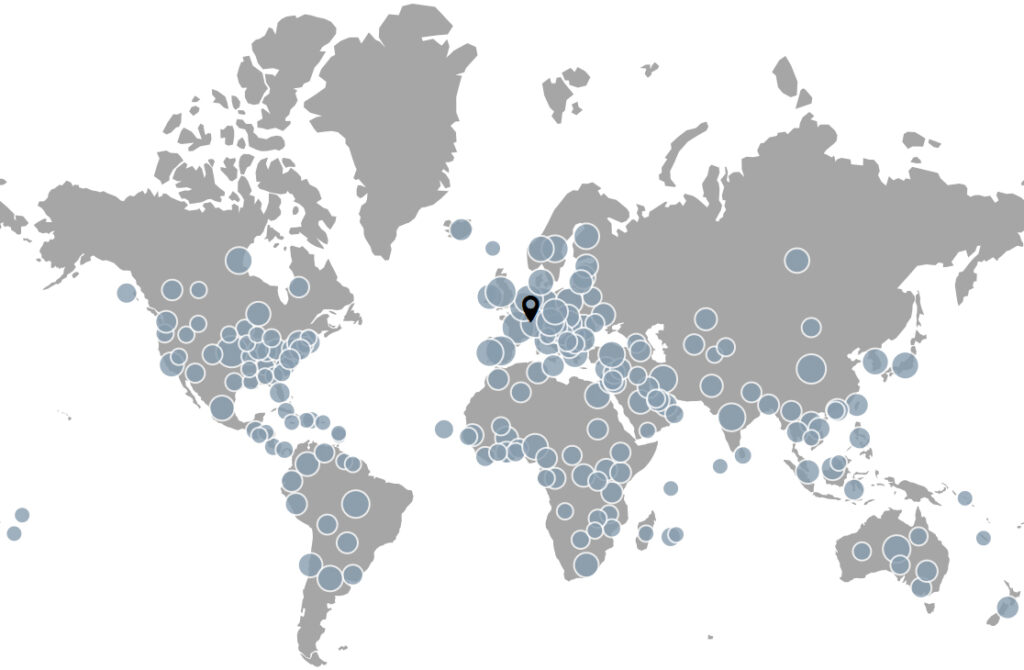
Bringing together more than 160 partners from 40 countries, eVoiceNet aims to make Europe a global leader in the emerging field of vocal biomarkers, health-related features extracted from a person’s voice that can help detect, monitor and manage a wide range of conditions, from neurological and mental health disorders to respiratory and cardiovascular diseases.
The initiative, led by Dr Guy Fagherazzi of the Deep Digital Phenotyping Lab, is building an interdisciplinary network of clinicians, AI researchers, voice experts, legal specialists, patient groups and industry stakeholders. Over the next four years, the consortium will develop guidelines, best practices, privacy-preserving principles, training tools and resources to support trustworthy development and clinical adoption of vocal biomarkers and foster innovation in voice-based digital health technologies across Europe.
Federated learning boosts brain tumour segmentation models
In July 2025, LIH researchers reported significant progress in using federated learning (FL) to improve brain tumour segmentation models in medical imaging. FL allows multiple institutions to colla… Read more
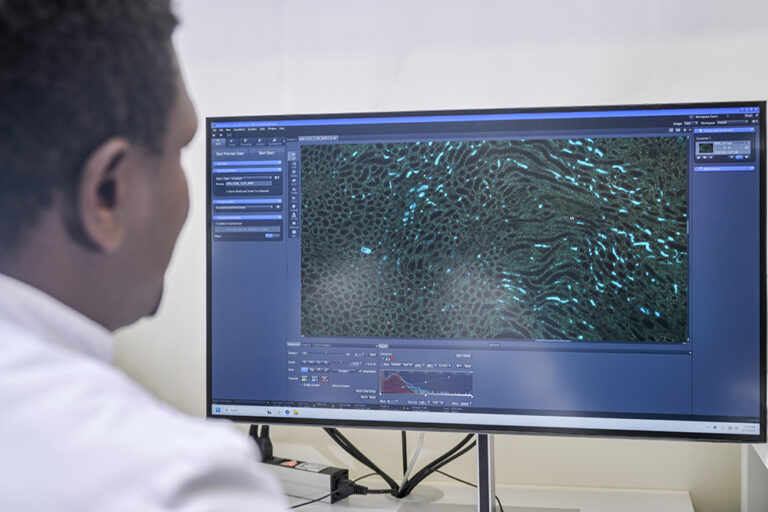
In July 2025, LIH researchers reported significant progress in using federated learning (FL) to improve brain tumour segmentation models in medical imaging. FL allows multiple institutions to collaboratively train AI models on decentralised data sets without sharing sensitive patient data, addressing privacy concerns inherent in healthcare research.
The LIH BraINE group, led by Dr Olivier Keunen with Dr Ann- Christin Hau and Prof. Simone Niclou, contributed to the Federated Tumour Segmentation (FeTS) initiative, a global effort involving dozens of sites spanning six continents. The latest FeTS challenge results, published in Nature Communications, benchmarked FL and segmentation techniques across 32 centres, demonstrating good generalisation overall while highlighting the importance of multi-site validation for robustness.
“At BraINE, we are proud to be involved in initiatives that are shaping the future of medical AI, addressing some of its key data accessibility challenges”
Dr Olivier Keunen, Head of the BraINE group
Global launch of the international health data space initiative to accelerate precision medicine
In July 2025, a global consortium chaired by the LIH and the National Cancer Center in South Korea launched the International Health Data Space Initiative (IHDSI), a major collaboration spanning re… Read more
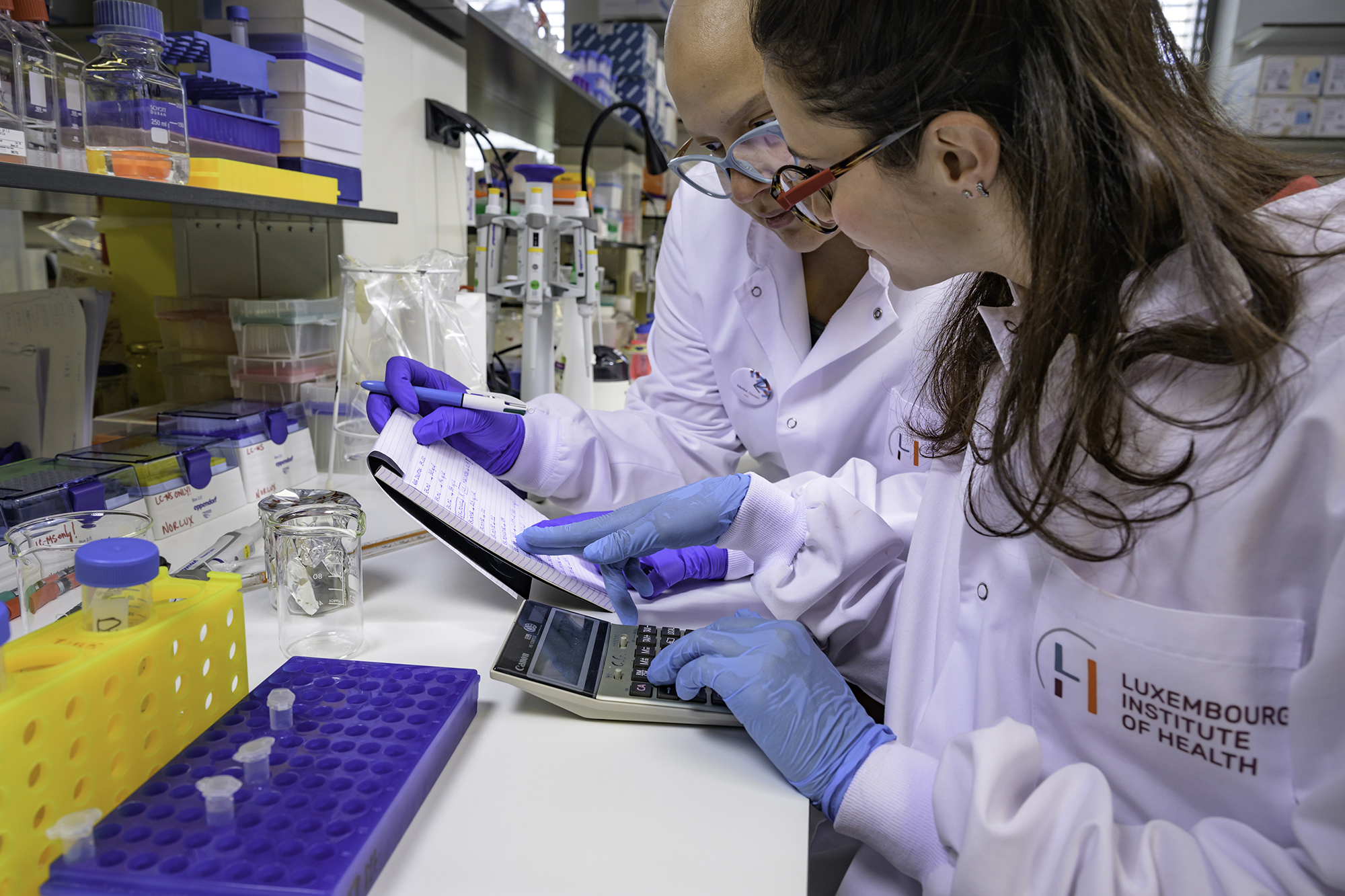
In July 2025, a global consortium chaired by the LIH and the National Cancer Center in South Korea launched the International Health Data Space Initiative (IHDSI), a major collaboration spanning research and technology institutions from Luxembourg, the USA and South Korea.
The initiative aims to build a federated, secure and privacy-compliant infrastructure to enable integrated access to health data for joint clinical research, translational innovation and AI-driven analytics, initially focusing on precision medicine in cancer and other complex diseases.
IHDSI is designed to overcome traditional health data silos while complying with the European Health Data Space and GAIA-X standards, enabling multi-national collaboration without compromising patient privacy. Initial projects focus on the development of a federated data connector architecture that enables secure, governed access to patient data within local environments, allowing distributed analytics and cross-border research without the need to transfer or centralise sensitive health information.
PREVENTIVE MEDICINE
Topics
New malaria vaccine trial launched by the lih brings renewed hope for improved protection
In October 2025, the LIH played a key role in launching a new clinical trial for the malaria vaccine candidate SUM-101 as part of the MIMVAC-Africa project, funded by the European & Developing Coun… Read more
In October 2025, the LIH played a key role in launching a new clinical trial for the malaria vaccine candidate SUM-101 as part of the MIMVAC-Africa project, funded by the European & Developing Countries Clinical Trials Partnership (EDCTP2). The study, conducted in Burkina Faso and Tanzania, aims to address the global need for more effective and longer-lasting protection against malaria, particularly in high-burden regions.
The Competence Centre for Methodology and Statistics (CCMS) led by Michel Vaillant at the LIH is contributing its clinical trial expertise, including data management, biostatistics and methodological support, ensuring scientific rigour throughout the study.
If successful, SUM-101 could pave the way for larger Phase II and III trials and potentially lead to new vaccine tools that offer stronger and longer-lasting protection against one of the world’s deadliest diseases.
LIH research highlights the environmental drivers of chronic disease risk
Researchers at the LIH are advancing research on how environmental exposures affect chronic disease risk through both European collaborations and population studies.
In January 2025, the LI… Read more
Researchers at the LIH are advancing research on how environmental exposures affect chronic disease risk through both European collaborations and population studies.
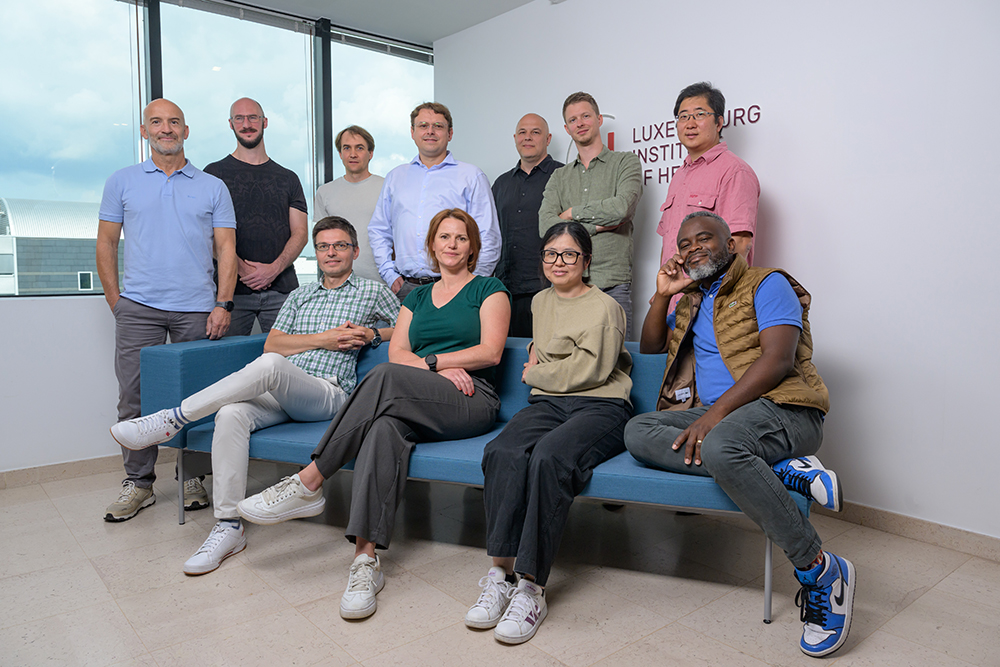
In January 2025, the LIH joined the EU-funded MARKOPOLO project, coordinated by Andreas Daiber at the University Medical Centre Mainz. Supported by €8 million in EU funding, the four-year initiative investigates how traffic noise and air pollution contribute to cardiovascular, cerebrovascular, metabolic, and other health conditions. The LIH contributes multi-omics data analysis via the Multiomics Data Science group and Bioinformatics and AI unit led by Dr Petr Nazarov to identify biological mechanisms, disease pathways and biomarkers linked to these exposures.
Complementing this work, researchers from the LIH CARES group led by Dr Maria Ruiz-Castell reported in November 2025 in Science of The Total Environment that mixtures of environmental chemicals are associated with higher metabolic health risks. Using data from more than 600 adults in the European Health Examination Survey in Luxembourg, the study linked combined exposure to pollutants with increased likelihood of metabolic syndrome, high blood pressure and elevated blood sugar.

Bioinformatics and AI unit

CARES group
LIH researchers investigate the impact of pollution on heart and brain health
Researchers from the LIH are shedding light on how environmental pollutants affect human health, from cardiovascular disease to brain ageing. In January 2025, scientists from the Human Biomonitorin… Read more

Researchers from the LIH are shedding light on how environmental pollutants affect human health, from cardiovascular disease to brain ageing. In January 2025, scientists from the Human Biomonitoring Research Unit (HBRU), including Brice Appenzeller and Alba Iglesias González, together with partners from Imperial College London and the University of Liège, published findings in Environment International linking long-term exposure to pollutants with increased cardiovascular risk factors. Using hair samples from 612 participants in Luxembourg’s NESCAV survey, the study associated exposure to polycyclic aromatic hydrocarbons (PAHs) and passive tobacco smoke with higher rates of diabetes, hypertension and metabolic disturbances.
Building on this work, the HBRU is also involved in the EU-funded ExpoSignalz project investigating how environmental contaminants contribute to brain ageing and neurodegenerative diseases such as Alzheimer’s disease. Led by INSERM and funded through Horizon Europe, the initiative aims to identify harmful pollutants and improve early diagnosis and prevention strategies.
LIH joins EU’s empower project to improve chronic disease management in west Africa
In March 2025, the LIH announced its participation in the new Horizon Europe EMPOWER project, formally titled Empowering People Living with Chronic Disease and Frontline Health Workers to Tackle th… Read more

In March 2025, the LIH announced its participation in the new Horizon Europe EMPOWER project, formally titled Empowering People Living with Chronic Disease and Frontline Health Workers to Tackle the Burden of Chronic Diseases in Sub-Saharan Africa. The initiative, part of the Global Alliance for Chronic Diseases programme, aims to improve the management of non-communicable diseases such as hypertension and diabetes in Benin and Togo by empowering frontline health workers in evidence-based strategies using digital tools.
With a total budget of €4.8 million and a four-year timeline starting in September 2025, EMPOWER will strengthen community-based activities and coordinated care delivery. The Ageing, Cancer, and Disparities Research Unit at the LIH is leading the evaluation and monitoring of the intervention implementation, with group leader Dr Sophie Pilleron, Dr India Pinker and Dr Clémence Bafei at the forefront.
International survey reveals strengths and challenges of Luxembourg’s healthcare system
In February 2025, the Registries & Epidemiological Studies group (RES) led by Aline Lecomte, in collaboration with the Direction de la Santé, published results from the OECD PaRIS Survey, an inter… Read more
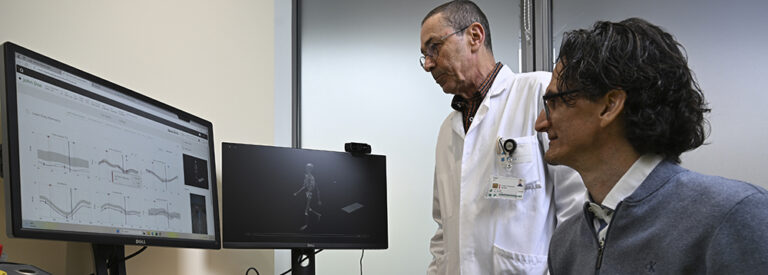
In February 2025, the Registries & Epidemiological Studies group (RES) led by Aline Lecomte, in collaboration with the Direction de la Santé, published results from the OECD PaRIS Survey, an international survey assessing public perceptions of national healthcare systems. In Luxembourg, 1,590 patients and 52 medical practices participated.
Overall satisfaction with care in Luxembourg was found to be very strong. Over 90% of respondents rated the quality of care positively and said healthcare services met their needs, above the OECD average. Participants also reported good health, with 72% indicating good physical health and 86% good mental health.
However, the survey also highlighted areas that need improvement. Patients reported challenges in managing their own health and pointed to limited coordination of care for chronic conditions. Improving health literacy and better integrating services could also strengthen support for people living with chronic diseases.
LIH expands research in injury prevention and musculoskeletal health innovation
In March 2025, the LIH Physical Activity, Sport & Health led by Dr Laurent Malisoux announced a major new study with French sporting goods retailer Decathlon to evaluate how running shoe cushioni… Read more
In March 2025, the LIH Physical Activity, Sport & Health led by Dr Laurent Malisoux announced a major new study with French sporting goods retailer Decathlon to evaluate how running shoe cushioning affects injury risk among more than 1,000 runners over six months. Participants tested three shoe cushioning designs, shared training data using sport watches, and reported injuries weekly. The research builds on earlier findings linking greater cushioning to lower injury rates and aims to guide future footwear design for injury prevention.
Shortly after, in April, the LIH Human Motion, Orthopaedics, Sports Medicine and Digital Methods Group led by Dr Bernd Grimm joined the SmILE project, a €20.7 million, five-year Horizon Europe initiative to transform musculoskeletal non-communicable disease (MSK-NCD) management. The consortium of 25 European partners will develop smart implants, wearable sensors, and an AI-driven digital platform to enable earlier diagnosis, personalised rehabilitation, and continuous monitoring. The goal is to improve patient outcomes, support clinical decision-making, and reduce the long-term burden of conditions such as osteoarthritis and fracture recovery.
Together, these initiatives highlight the strategic focus of the LIH on combining large-scale clinical research and digital health innovation to strengthen prevention and long-term musculoskeletal care.
Awards & Prizes
Dr Bassam Janji awarded grant from the Fondatioun Kriibskrank Kanner
10.2025 – Dr Bassam Janji
Head of the Tumor Immunotherapy and Microenvironment (TIME Group)
Dr Bassam Janji of the LIH received a grant from the Kriibskrank Kanner Fondatioun to develop and preclinically evaluate innovative therapeutic strategies for high-risk neuroblastoma, as part of a partnership aimed at advancing paediatric oncology research and translating discoveries into clinical progress.

LIH doctoral projects supported by the Pelican Grant
10.2025 – Wanxin Huang, Maryna Chepeleva and Elisabetta Bartolini
PhD students
Three LIH doctoral researchers received the Pelican Grant from the Fondation du Pélican de Mie et Pierre Hippert-Faber to support their training and mobility in cancer research, enabling international research stays, advanced technical training, and participation in leading scientific conferences.
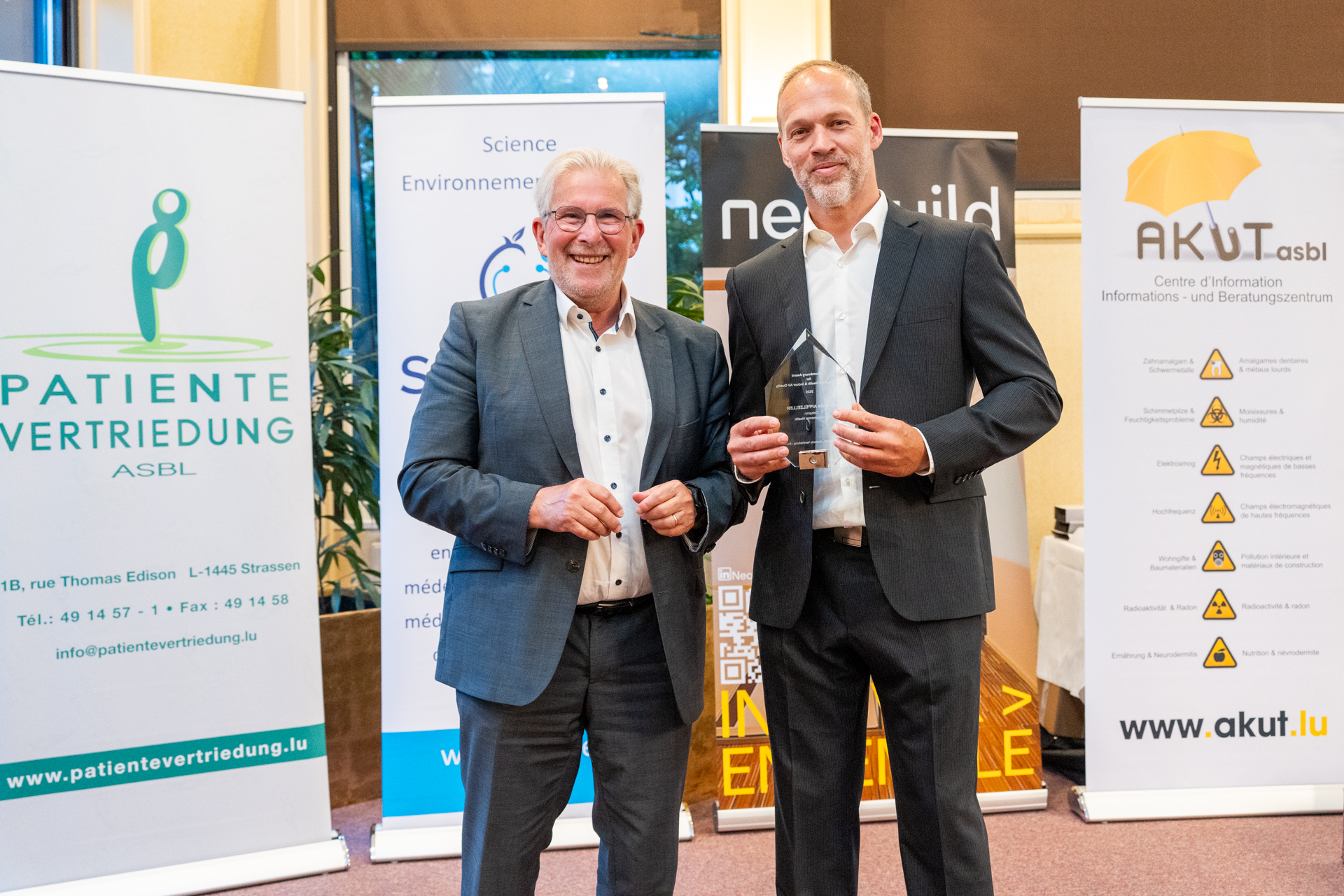
Research on chemical exposure in Luxembourg wins national environmental health prize
05.2025 – Dr Brice Appenzeller
Head of the Human Biomonitoring Research Unit (HBRU)
Dr Brice Appenzeller was awarded the Health and Environment & Indoor Quality Award by the national associations Aktionsgruppe für Umwelttoxikologie (AKUT), SCENTE, the Luxembourg Patient Association, and Neobuild for his research on organic pollutants in human hair, especially in children.
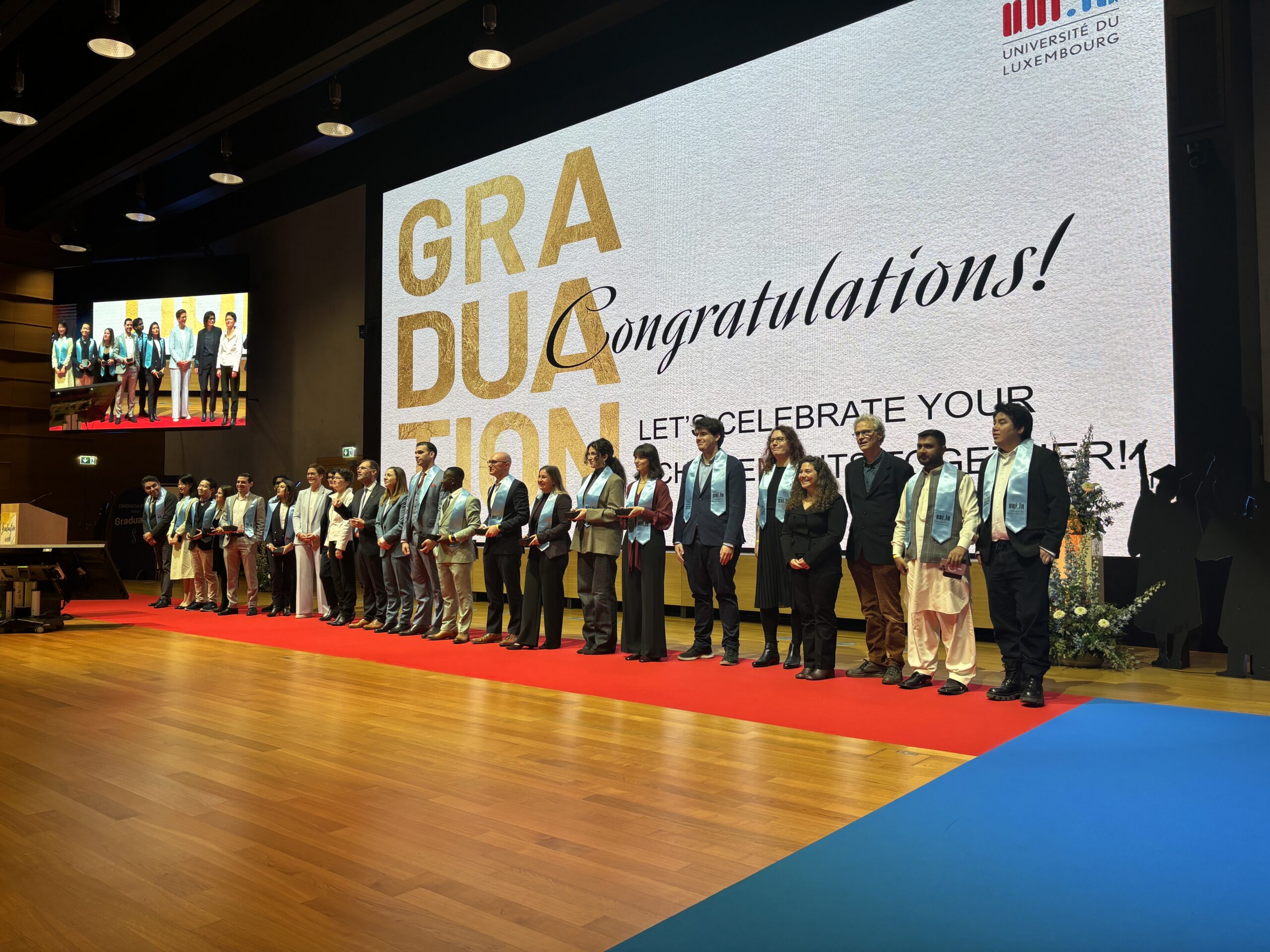
Three LIH doctoral candidates awarded the Excellent Doctoral Thesis Award
12.2025 – Dr Abir Elbeji, Dr Pilar Moreno Sánchez, Dr Frida Lind-Holm Mogensen
PhD students
Dr Abir Elbeji, Dr Pilar Moreno Sánchez, and Dr Frida Lind-Holm Mogensen, received the University of Luxembourg’s Excellent Thesis Award for research on vocal biomarkers, glioblastoma immuno-oncology models, and neuroinflammation in Parkinson’s disease respectively.
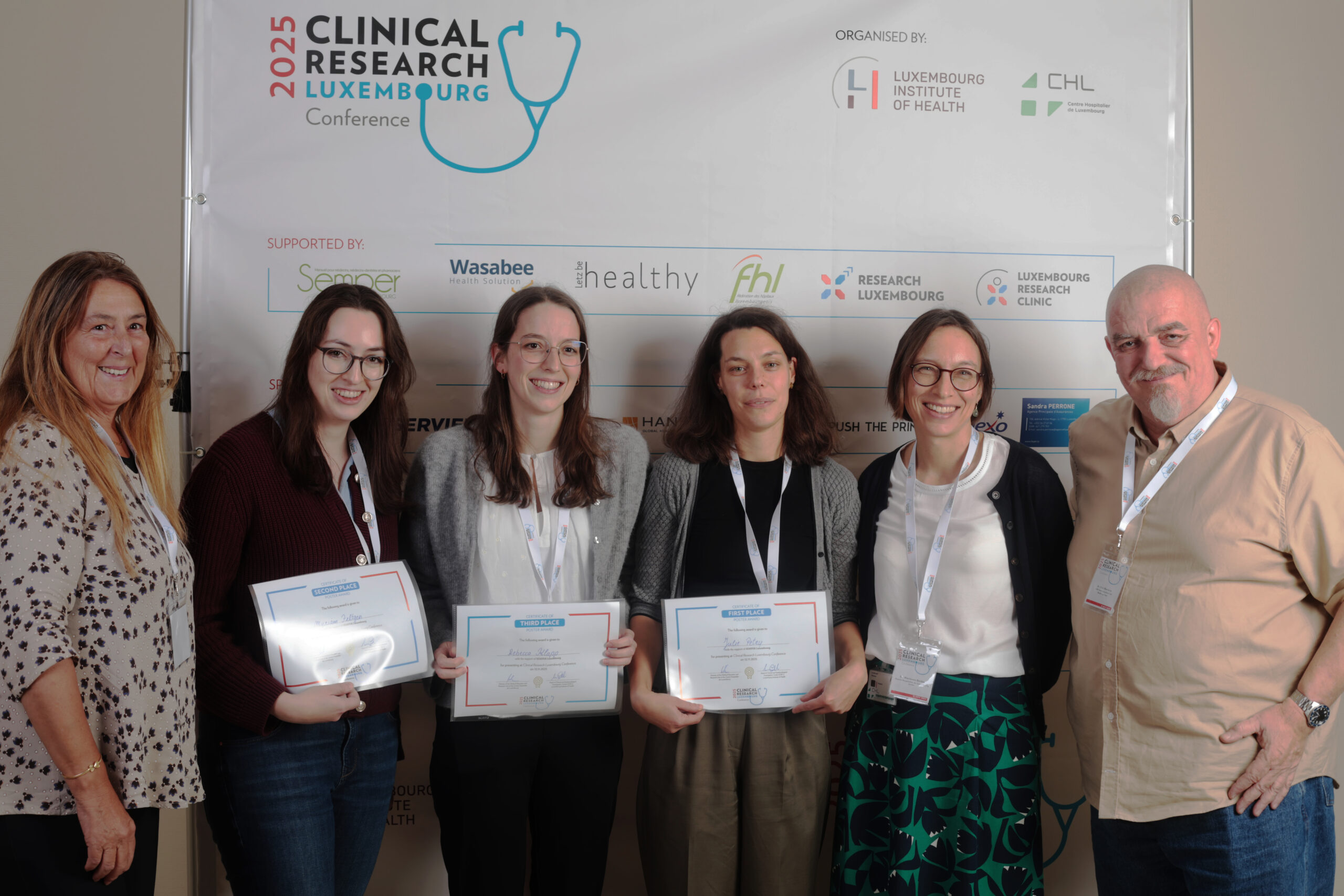
LIH researchers awarded poster prizes at the Clinical Research Luxembourg Conference
11.2025 Dr Julie Petry, Rebecca Klapp
Department of Infection and Immunity
During the conference, Dr Julie Petry received the first prize for her work on immune reactions to tick bites, while doctoral candidate Rebecca Klapp was awarded the third prize for her research on pediatric asthma diagnosis and treatment.

Prof. Mahesh Desai featured among the most cited researchers
11.2025 – Prof. Mahesh S. Desai
Leader of the Nutrition, Microbiome & Immunity Group
Prof. Mahesh S. Desai of the Department of Infection and Immunity (DII) was included in the Clarivate 2025 “Highly Cited Researchers” report for his numerous highly cited and high-impact papers on the interactions between the gut microbiome, nutrients and immune disorders.
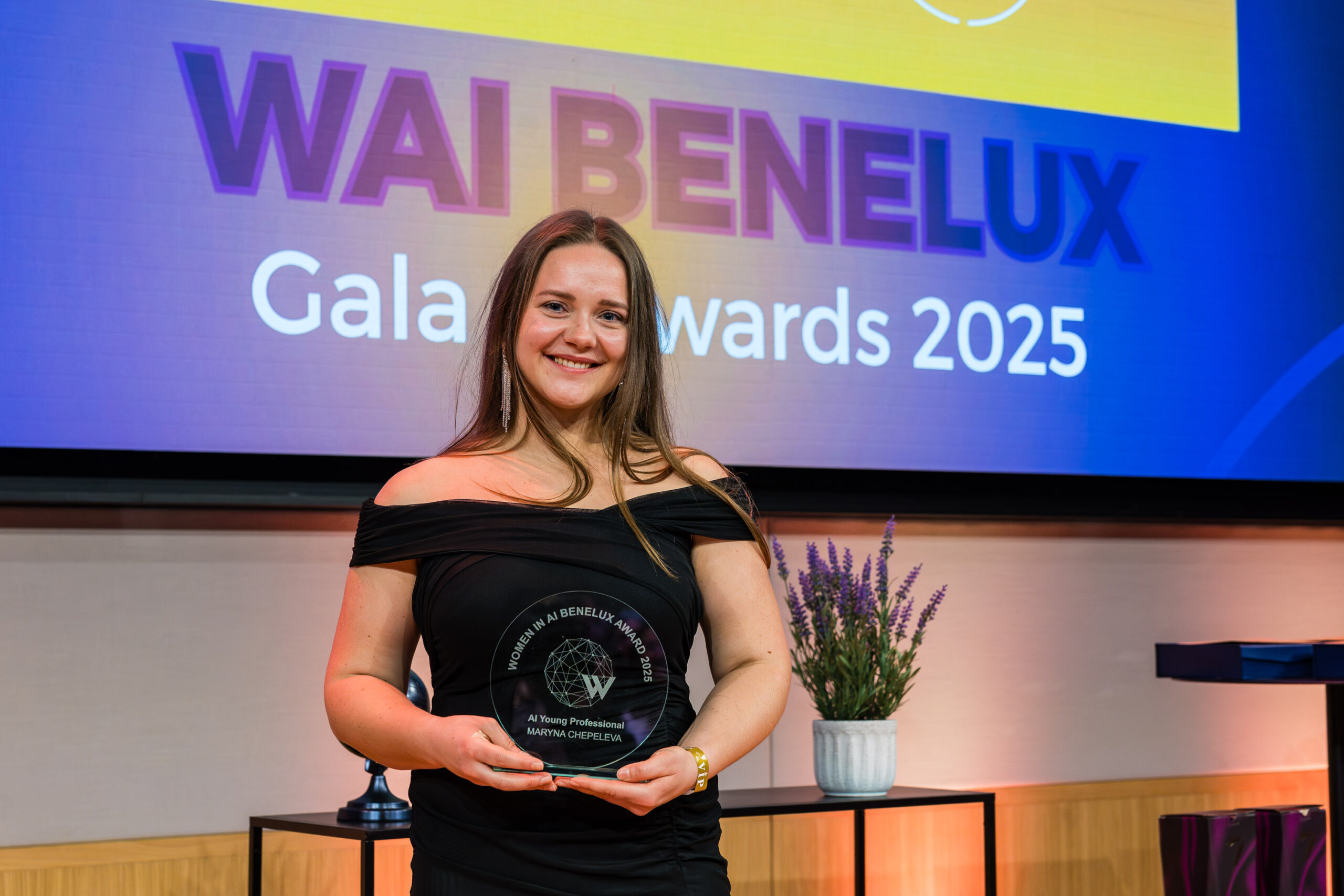
Maryna Chepeleva receives AI Young Professional Award
03.2025 – Maryna Chepeleva
PhD researcher
Maryna Chepeleva, a PhD researcher in the MODAS group, received the AI Young Professional Award and was featured in the Equals Role Model Campaign for her work on AI-driven methods for personalised cancer treatment.
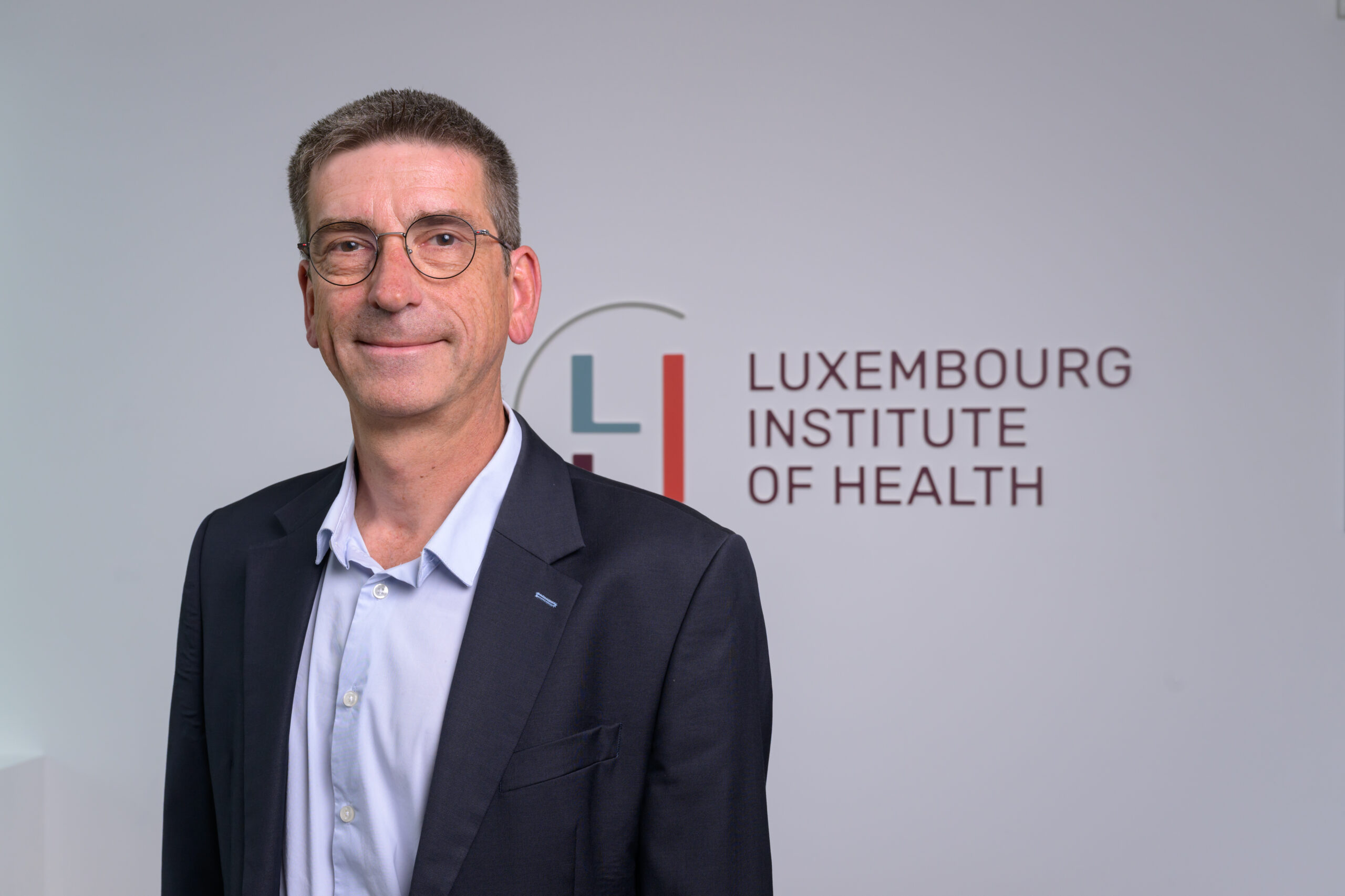
Double Honour for Dr Yvan Devaux
Dr Yvan Devaux
Group Leader of the Cardiovascular Research Unit (CVRU)
Dr Yvan Devaux, leader of the CVRU, was named Fellow of the Grand Ducal Institute of Luxembourg and International Fellow of the American Heart Association, recognising his major contributions to cardiovascular research and leadership in the field.

Dr Aurélie Fischer awarded by the Académie Nationale de Metz
11.2025 – Dr Aurélie Fischer
Scientific Coordinator, Deep Digital Phenotyping Research Unit
Dr Aurélie Fischer from the Deep Digital Phenotyping Unit received the Sciences Prize of the Académie Nationale de Metz for her work on a voice-based digital solution for monitoring Long COVID, leading to the co-creation of the Long COVID Companion app.
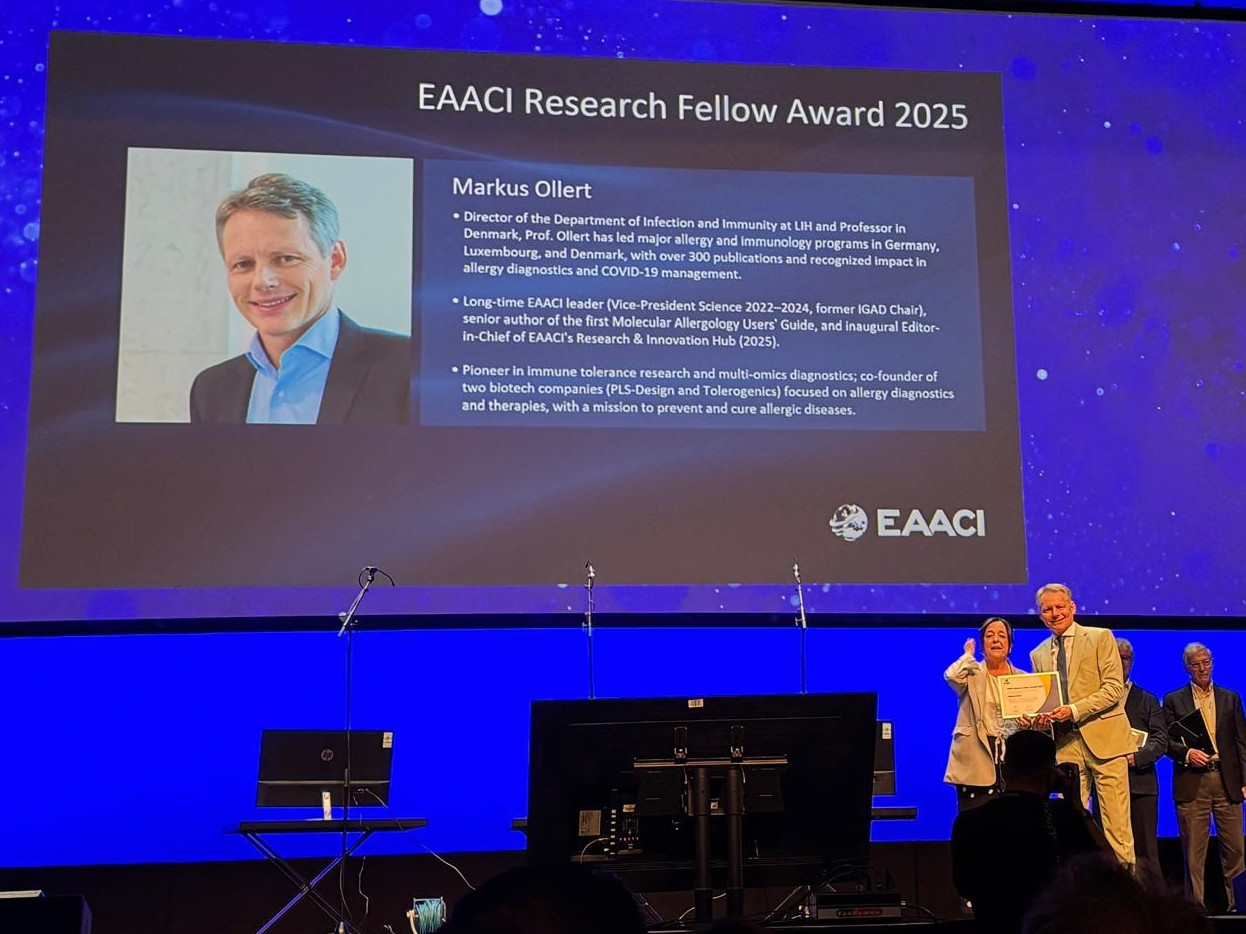
Prof. Markus Ollert honoured at EAACI Annual Congress 2025
06.2025 – Prof. Dr Markus Ollert
Former Director of the Department of Infection and Immunity
Prof. Dr Markus Ollert received the EAACI Research Fellow Award in recognition of his contributions to allergy and immunology research, and participated in the EAACI Congress with an invited lecture and as chair of scientific sessions.
Two LIH postdoctoral researchers receive the Marie Skłodowska-Curie Fellowship
02.2025 – Drs Laura Martinez Ruiz And Adriana Jou
Laura Martinez Ruiz and Adriana Jou, postdoctoral researchers at the Department of Cancer Research, were awarded Marie Skłodowska-Curie Fellowships for projects on cancer metabolism and immunotherapy.
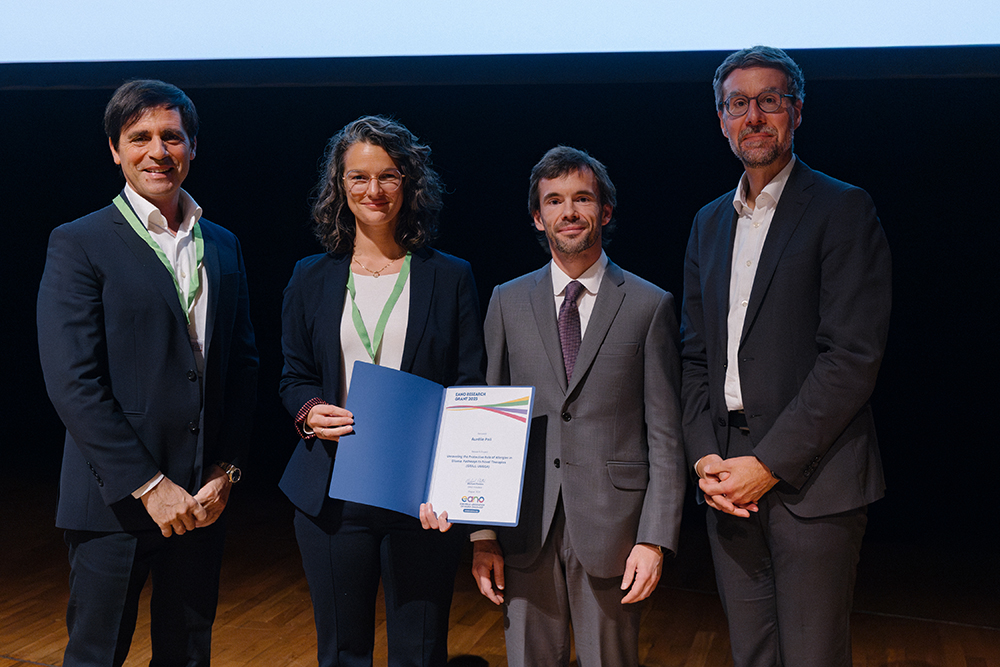
EANO Research Grant awarded to Dr Aurélie Poli
10.2025 – Dr Aurélie Poli
Senior Scientist in the Neuro-Immunology Group
Dr Aurélie Poli, Senior Scientist in the Neuro-Immunology Group, received the European Association of Neuro-Oncology Research Grant for her project on the protective role of allergies in glioma and its potential for new immunotherapy strategies.
Key facts

0
Number of participant inclusions and follow-ups in collaborative research projects

0
Total samples collected and aliquots created (IBBL)

0
Number of employees

0
Number of researchers

0
Total samples distributed (IBBL)

0
Mio€ Third party income

0
Number of LIH press mentions (national and international)

0
Number of patent applications filed

0
Number of scientific publications

0
Nationalities

0
new projects, total funding 86 M EUR

0
Number of ongoing projects

Additional highlights
January 2025
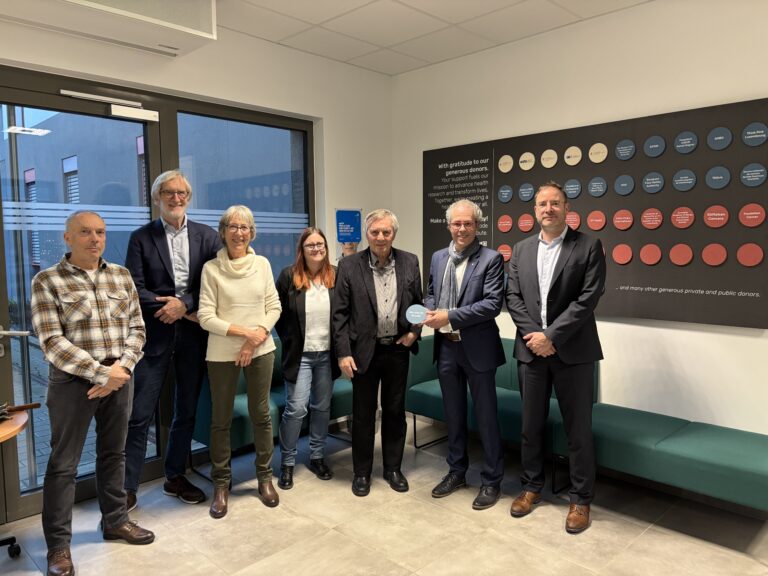
LIH unveils Wall of Donors
On January 6th, the LIH proudly inaugurated its new wall of donors in the entry hall of the Luxembourg Clinical and Translational Research Centre (LCTR), recognising the invaluable contributions of its supporters. The event was attended by Mr Jeannot Krecké, former Minister of the Economy, and his wife, Mrs Monique Giver, who were honoured for their generous donation to the research efforts of the LIH within the NCER-PD programme.
January 2025
European health survey launched
On February 27, 2024, the LIH team conducted the 100th patient visit for the PADOVA clinical trial at the Luxembourg Research Clinic premises. The study, sponsored by Roche, evaluates the efficacy and safety of intravenous prasinezumab in early-stage Parkinson’s disease and is running across multiple countries, including Luxembourg, where six patients have been enrolled.
January 2025
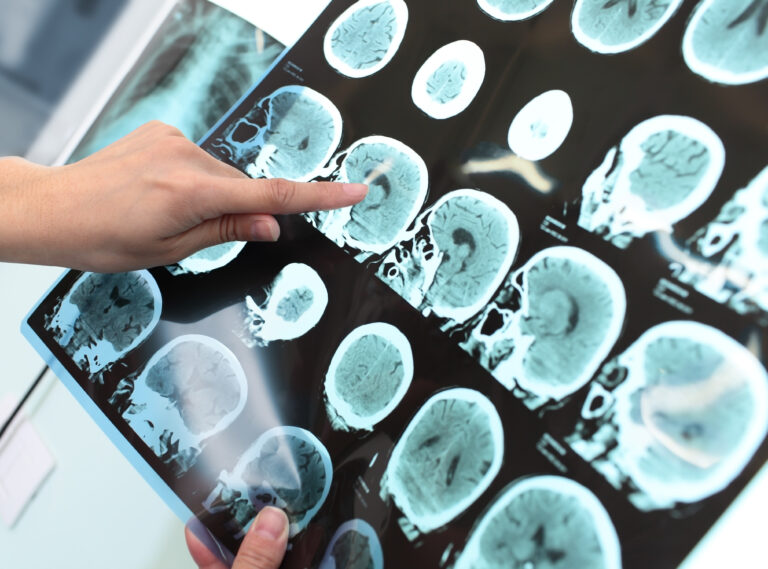
New research group “BraINE” advances brain imaging and neuroepidemiology
At the start of the year, the LIH launched the new research group Brain Imaging & Neuro Epidemiology (BraINE). This new initiative brings together expertise from the Translational Radiomics group, formerly led by Dr Olivier Keunen, and the Neuro Imaging group, led by Dr Magali Perquin. The BraINE group aims to enhance research on brain health and disease through clinical and experimental neuroimaging, advanced analytical methods, and neuroepidemiology. Key focus areas include neuro-oncology, neurodegenerative diseases and neuroscience.
February 2025
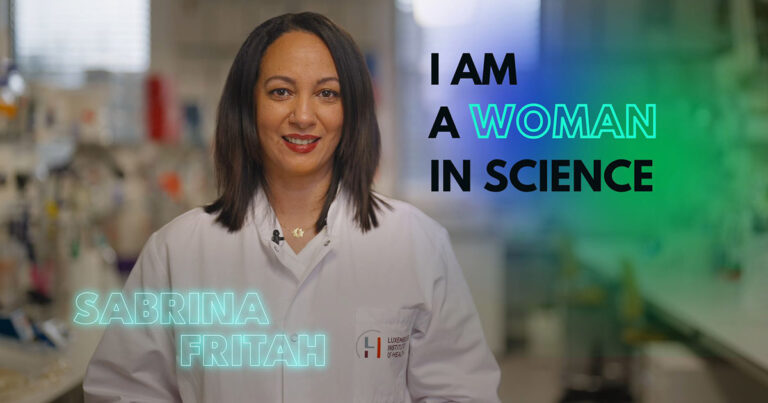
LIH Group Leader featured in the Women & Girls in Science video series
On February 11th, Dr Sabrina Fritah, head of the Cancer RNAs and Epigenetic group at the LIH, was featured in the fourth season of the video series “Women & Girls in Science”. Driven by Research Luxembourg and the University of Luxembourg, in collaboration with MEGA (the Ministry for Gender Equality and Diversity) and MESR (the Ministry of Research and Higher Education), this initiative highlights the diverse journeys of women in science across Luxembourg.
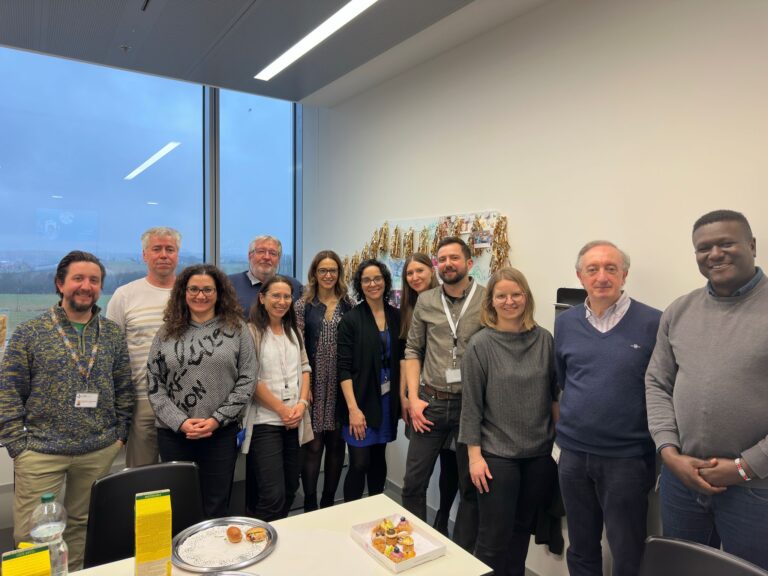
February 2025
LIH-LNS Pathology Coordination Interface officially inaugurated
On February 25th, pathologists from the LNS National Centre for Pathology (NCP) and staff from the LIH and IBBL came together to the establish a new collaborative interface for the management and administration of projects involving the LIH and the pathology services of the LNS. The new interface provides the tools and the conceptual framework to support a novel, highly transparent approach to management and monitoring of collaborative projects.

March 2024
2025 Relais pour la vie
The annual Relais pour la Vie (Relay for Life), organised by the Fondation Cancer, took place on March 22nd and 23rd, bringing people together in a collective show of solidarity. Participants could choose to run, cycle, or walk for 24 hours, either on-site at the Coque or at a location of their choice. Team LIH proudly joined the movement, covering countless meters to raise awareness and support those battling cancer.
March 2025
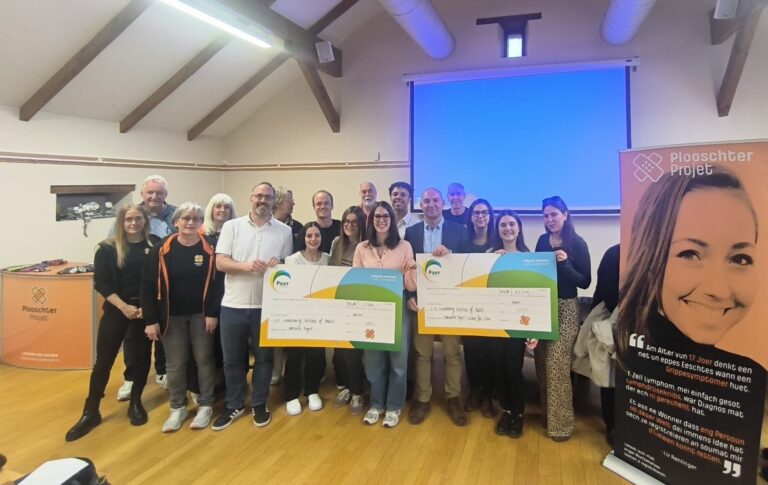
Plooschter Projet strengthens support for TSI group with renewed donation
In March 2025, the Luxembourg non-profit association Plooschter Projet renewed its commitment to advancing leukaemia research by donating €42,000 to the Tumor Stroma Interactions (TSI) group in the Department of Cancer Research at the LIH. This marks the sixth consecutive year the organisation has supported the group’s work on understanding the tumour microenvironment in chronic lymphocytic leukaemia (CLL), the most common form of adult leukaemia.
May 2025
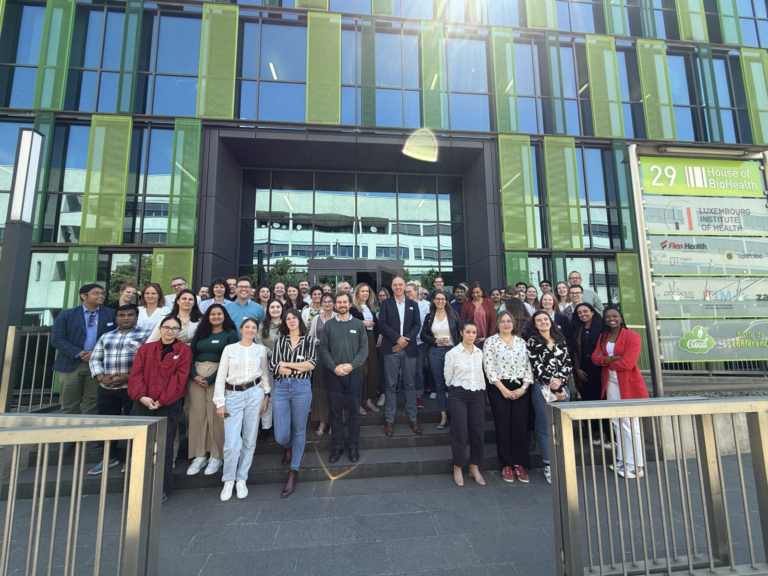
LIH hosts the eighth annual Luxembourg Microbiology Day
On May 13th, over one hundred researchers and students from Luxembourg and abroad participated in the eighth edition of Luxembourg Microbiology Day at the House of BioHealth in Esch-sur-Alzette. Created by the Luxembourg Society of Microbiology, with participation from the LIST, LIH, LCSB, University of Luxembourg, and the Ministère de l’Agriculture, de l’Alimentation et de la Viticulture, Luxembourg Microbiology Day is a chance for researchers to present innovative research on microbiology and promote collaboration and information exchange.
May 2025
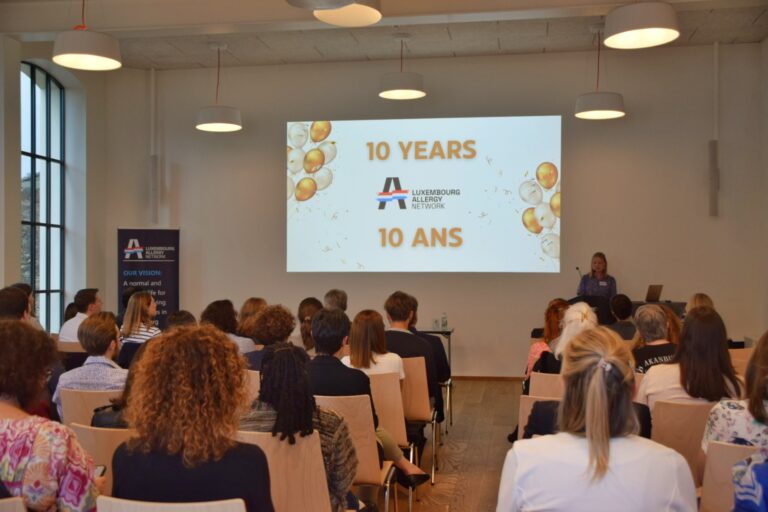
LIH participates in the 10-year anniversary of the Luxembourg Allergy Network
On May 13th, the Luxembourg Allergy Network (LAN) marked its 10th anniversary and the LIH was proud to take part in the event, which brought together patients, healthcare professionals, and researchers to support people living with food allergies in Luxembourg. The day featured presentations from key stakeholders, including Dr Annette Kuehn, group leader of the Molecular & Translational Allergology group at the LIH, who presented recent research findings and future directions in allergy science.
June 2025
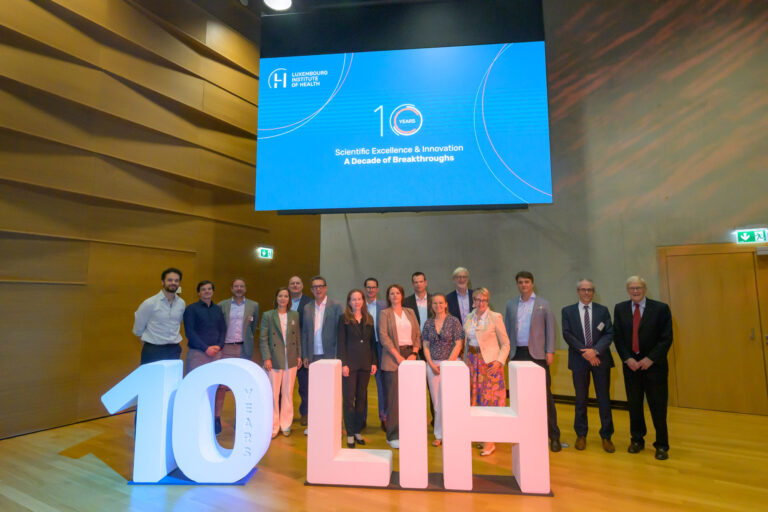
Celebrating a decade of Impact: LIH’s 10-Year Anniversary Gala
On June 12th, the LIH celebrated its 10-Year Anniversary with a gala event held at the Grand Auditoire, Maison du Savoir in Belval. The afternoon brought together around 450 attendees, including ministers, partners, stakeholders, researchers, and policymakers, in a celebration of scientific excellence and innovation under the theme “A Decade of Breakthroughs.”

August 2025
New LIH-led lecture series funded by the FNR
On 16-17 October, Luxembourg’s research community and international partners marked the 10th anniversary of NCER-PD, launched in 2015 and coordinated by LIH since 2023. The symposium gathered leading experts, policymakers and partners from Japan, the UK and the US to discuss advances in biomarkers, genetics and emerging therapies. It also highlighted the contribution of over 20,000 study participants over the past decade. NCER-PD has built internationally recognised cohorts of people with Parkinson’s disease, at-risk individuals and healthy volunteers. Looking ahead, the programme aims to advance personalised prevention and strengthen Luxembourg’s leadership in neurodegenerative disease research and care.
October 2025
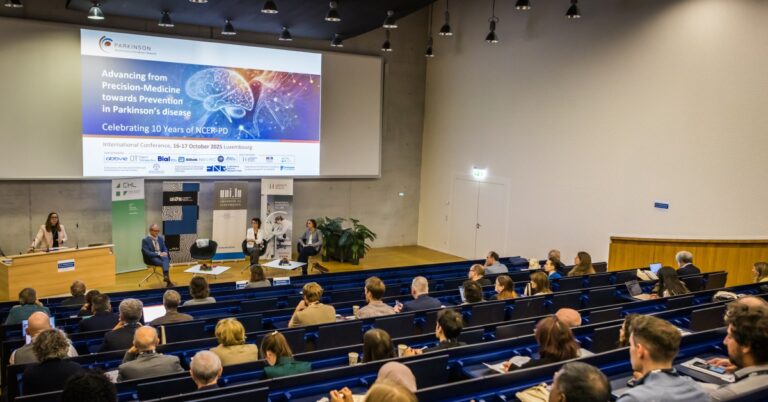
Luxembourg celebrates 10 years of its Parkinson’s research programme NCER-PD
On 16-17 October, Luxembourg marked the 10th anniversary of NCER-PD, launched in 2015 and coordinated by LIH since 2023. The symposium brought together experts, policymakers and international partners to discuss advances in Parkinson’s research. Building on internationally recognised cohorts and over 20,000 study participants, NCER-PD now aims to advance personalised prevention and strengthen Luxembourg’s leadership in neurodegenerative disease research.
October 2025
Clinnova consortium meeting: advancing digital medicine through collaboration and innovation
On October 16th and 17th, the Clinnova Consortium convened in Strasbourg for two days of collaboration and innovation, reinforcing its mission to advance digital medicine across Europe. The meeting brought together researchers, clinicians, and innovators from France, Germany, Switzerland and Luxembourg to share progress, exchange ideas, and explore future opportunities. Inspiring talks, milestone discussions, and interactive brainstorming sessions highlighted the community’s achievements and sparked new collaborations. Beyond the formal programme, the event fostered strong connections and a shared sense of purpose.

October 2025
2025 ImmunoTherapy for Infectious Diseases conference
Dr Carole Devaux, leader of the Infection and Immunotherapy Research Group, was invited to present her team’s work on leveraging innate immunity to develop targeted therapies against infectious diseases at the 4th ImmunoTherapy for Infectious Diseases (ITID) conference took in Bellinzona, Switzerland. She described proof-of-concept studies on LIH-developed immunoconjugates that recruit immune cells to eliminate bacteria such as Pseudomonas aeruginosa and stimulate protective immune responses. These results highlighted the potential for new anti-infective strategies based on immunotherapy.
November 2025
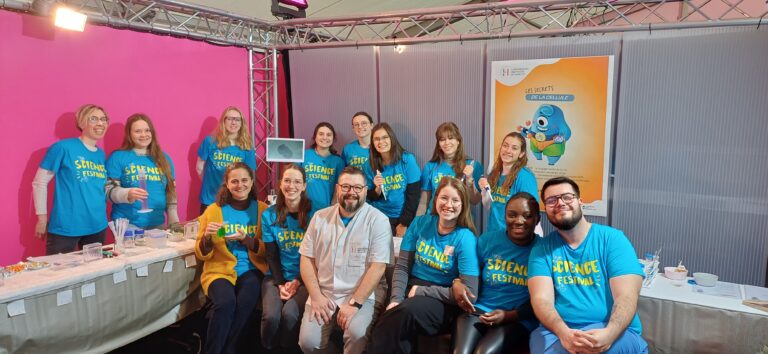
A memorable Science Festival!
From November 22nd to 25th, the LIH participated in the Science Festival with four stands, led by teams from the Department of Cancer Research, the Department of Infection and Immunity, and the Clinical and Epidemiological Investigation Centre. The teams brought science to life for both kids and grown-ups. Through the proposed activities, the public learnt about how doctors evaluate a medication, navigated the course of rare disease diagnosis, separated coloured molecules from candies and DNA from fruit, discovered facts about ticks and their pathogens, and much more!
November 2025
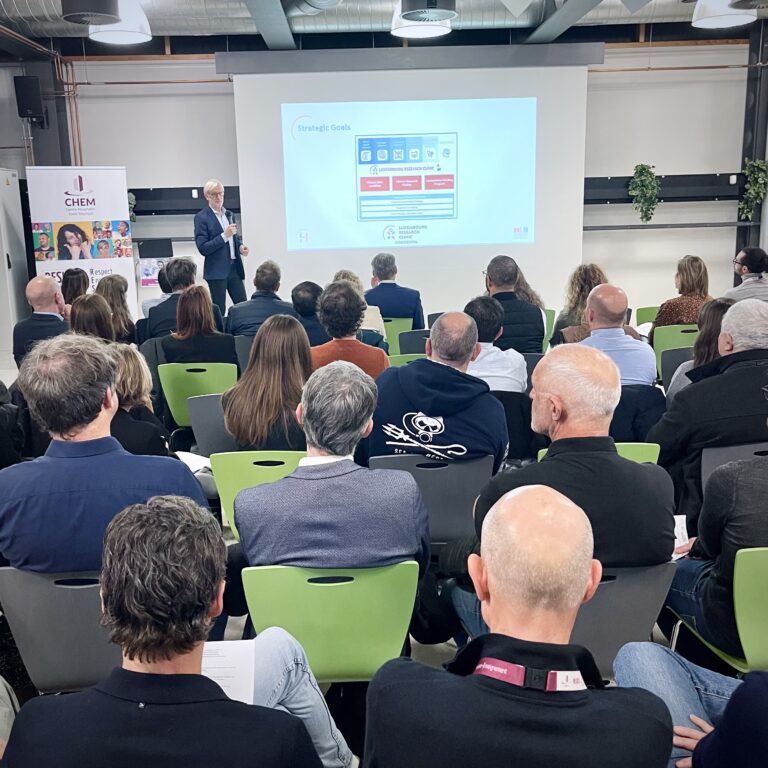
Bringing research and care together at the CHEM-LRC joint event
On November 19th, the Luxembourg Research Clinic (LRC) held its first joint event at the Centre Hospitalier Emile Mayrisch (CHEM), bringing together clinicians and researchers from LIH, the University of Luxembourg, and the Institut National du Cancer (INC). The event aimed to strengthen collaboration across Luxembourg’s clinical research ecosystem and create new opportunities for shared projects that directly benefit patients.
November 2025
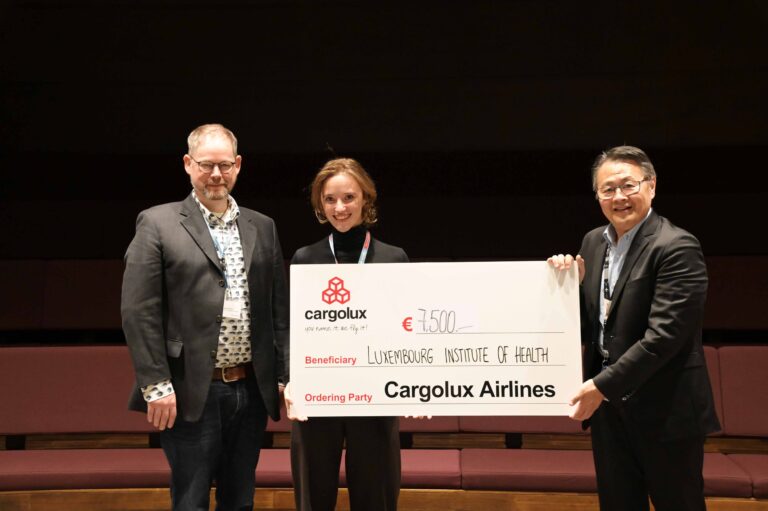
ACADI research group receives generous donation from Cargolux
The Ageing, Cancer, and Disparities (ACADI) research group received a €7,500 donation from Cargolux as part of the company’s annual year-end initiative “One Evening for All” on 19 November. The donation will help advance ongoing research initiatives, including ACADI’s latest research study TDM-Café, funded by ThinkPink Luxembourg. The project will bring together older adults who have experienced cancer, as well as their families, caregivers, and healthcare professionals, to identify what matters most in treatment decision-making, co-design research priorities that reflect their needs, and guide the development of interventions anchored in the reality of the Luxembourgish context.

November 2025
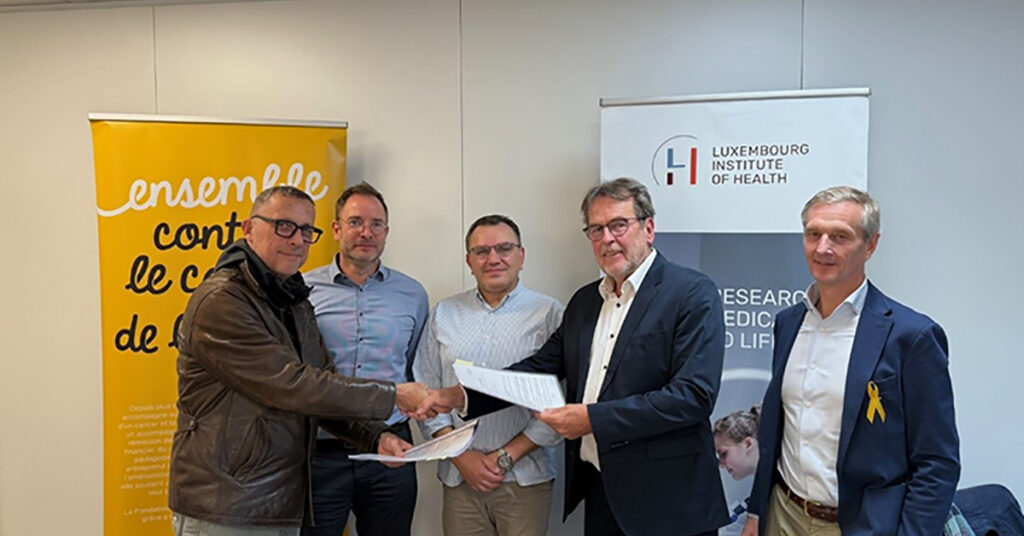
Exobiosphere and LIH sign MoU to advance space-enabled drug discovery
Exobiosphere, a pioneering space biotechnology company based in the House of BioHealth, and LIH have signed a Memorandum of Understanding (MoU) to jointly advance biomedical research and drug discovery in space. This collaboration marks a major milestone in positioning Luxembourg as a leader in space-enabled life sciences and strengthening the bridge between biotechnology and NewSpace innovation. The partnership will focus on developing space grade patient-derived stem cell models and validating new therapeutic discovery pipelines for neurodegenerative diseases in orbit.

Download our Annual Report
To view the full version including Finances, Publications and more:
To receive the future editions of the LIH Annual Reports,
subscribe and select your preferences: